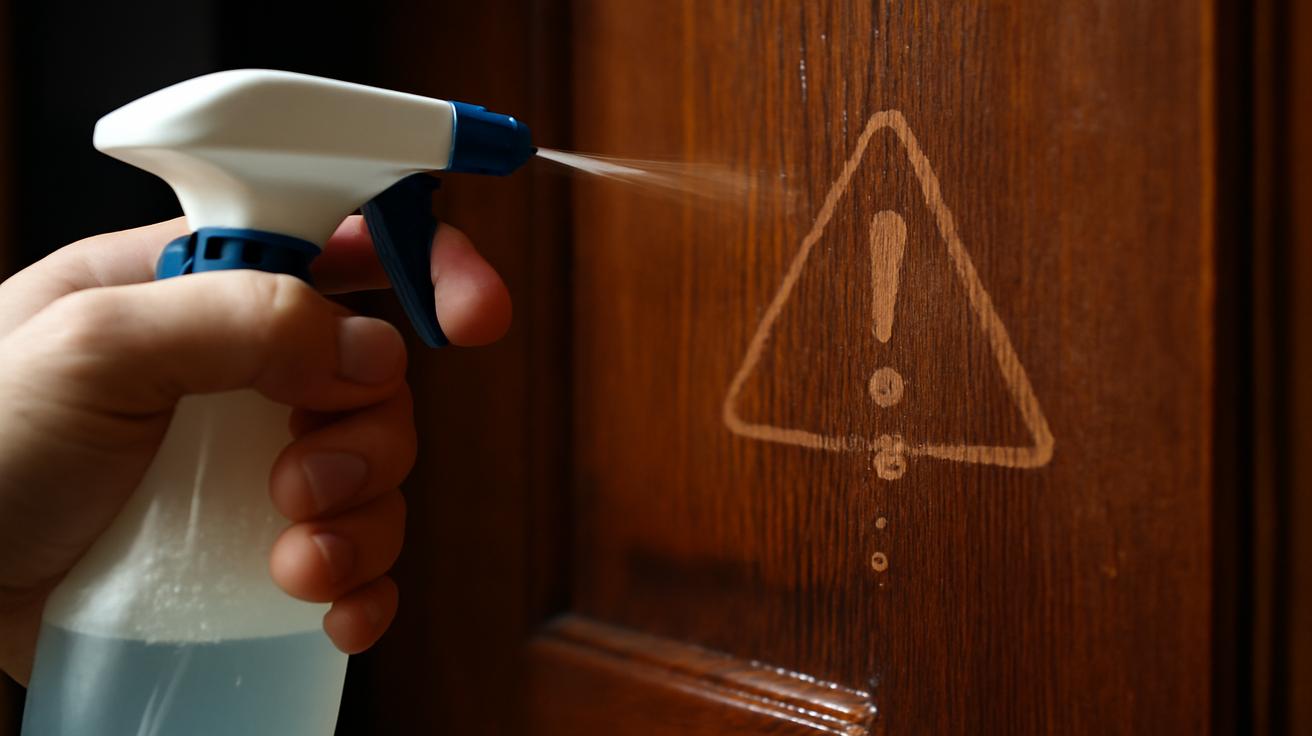
In recent months, a peculiar video trend has been circulating across TikTok, Instagram, and Facebook showing people spraying white vinegar directly onto their front doors. The captions promise remarkable results—everything from enhanced security to spiritual cleansing. But what does this viral hack actually accomplish, and more importantly, what does it fail to deliver? We investigated the claims behind this trending phenomenon to separate fact from fiction.


The Viral Phenomenon Takes Off
The trend typically features a close-up shot of someone holding a spray bottle filled with white vinegar, approaching their front door with the confidence of someone about to unlock a great secret. The video captions make bold promises: “Burglars hate this one simple trick,” or “Spray this and watch what happens to your door.” These videos accumulate millions of views and shares, with thousands of comments from curious viewers asking where they can buy spray bottles or what ratio of vinegar to water works best.
The appeal is undeniable. In an era where home security concerns are paramount and people seek quick solutions to everyday problems, a simple, inexpensive household item that supposedly solves multiple issues simultaneously sounds too good to be true. That instinct is worth listening to.
Understanding What Vinegar Actually Does
White vinegar, composed primarily of acetic acid diluted in water, genuinely does possess certain useful properties that aren’t purely fictional. This is where the confusion begins—the trend isn’t entirely baseless, but the claims have been dramatically exaggerated.
Vinegar is an effective cleaning agent. The acetic acid can cut through grease, mineral deposits, and some stubborn stains on various surfaces. This is why vinegar has been used in household cleaning for generations. It can also neutralize certain odors rather than simply masking them. Additionally, vinegar has mild antimicrobial properties, meaning it can inhibit the growth of some bacteria and fungi in specific circumstances.
When applied to a front door surface, vinegar can indeed clean the material, whether it’s painted wood, metal, or composite materials. It might remove built-up grime, restore some shine to a dulled surface, or eliminate odors that have settled into the door and surrounding area. For homeowners concerned about the aesthetic appeal and basic hygiene of their entrance, this could be a legitimate application.
The Security Claims: Where Reality Diverges
This is where the viral claims begin to unravel significantly. Numerous videos suggest that spraying vinegar on your front door will deter burglars, prevent break-ins, or somehow signal to criminals that your home is protected. There is absolutely no scientific evidence supporting these claims, and law enforcement agencies have been clear about this.
Security experts consulted by various fact-checking organizations uniformly stated that burglars are not deterred by vinegar. The acetic acid smell, while noticeable to humans, does not function as a burglar repellent. Criminals evaluate targets based on visibility, accessibility, perceived wealth, security systems, lighting, and neighboring properties. The presence or absence of a vinegar smell ranks nowhere on this list.
The idea that applying vinegar creates some kind of invisible protective barrier is purely fictional. Burglars don’t scout homes by smell. This claim appears to have originated from a misunderstanding of how door security actually works, then was amplified through social media algorithms that prioritize engagement over accuracy.
Spiritual and Protective Claims Examined
Some versions of this trend specifically promote vinegar as a spiritual cleanser or protective measure, referencing folk traditions and metaphysical beliefs. While cultural practices are worthy of respect, it’s important to distinguish between spiritual or cultural significance and practical security measures.
If someone chooses to use vinegar as part of a personal ritual or spiritual practice, that choice is theirs to make. However, relying on vinegar spray as your primary home security measure would be a serious mistake. Spiritual practices and physical security serve different purposes and cannot substitute for one another.
What Actually Protects Your Home
Genuine home security requires multiple layers of actual protection. Quality locks, deadbolts, and reinforced door frames prevent forced entry far more effectively than any household spray. Motion-sensor lighting, security cameras, alarm system signs, and maintained landscaping (removing hiding spots) are proven deterrents. Establishing relationships with neighbors creates natural surveillance through human presence and awareness.
Smart home security systems that send real-time alerts to your phone provide actual monitoring and evidence collection. Window locks, shatter-resistant film, and strategic lighting in blind spots address vulnerabilities that burglars exploit. Insurance companies and security professionals recommend these measures for good reason—they’re based on crime data and behavioral analysis.
When Vinegar Spray Makes Sense
This is not to say vinegar spray has no place in home maintenance. The legitimate uses include:
Door surface cleaning: For painted or sealed doors, vinegar can remove dirt, dust, and weathering without harsh chemicals.
Mineral deposit removal: If your door hardware or surrounding areas have hard water stains or mineral buildup, vinegar effectively dissolves these deposits.
Odor neutralization: Vinegar can eliminate smells that have accumulated on exterior surfaces, which might be useful if your door area smells unpleasant.
Mold and mildew prevention: In humid climates, vinegar’s antimicrobial properties might help prevent or slow mold growth in certain conditions.
These applications are practical and useful, but they represent maintenance rather than security solutions.
The Psychology Behind Viral Misinformation
Why do these trends persist despite lacking evidence? Social media algorithms reward engagement, and extraordinary claims generate more engagement than ordinary ones. A video titled “Here’s How to Maintain Your Door” receives fewer clicks than “This One Trick Will Stop Burglars Dead in Their Tracks.”
Additionally, when many people share the same trend, it creates social proof—the psychological principle that makes us believe something must be true if many others believe it. Hundreds of thousands of shares make the claim feel validated, even without supporting evidence.
A Balanced Perspective
Using vinegar to clean your front door is harmless and potentially beneficial for maintenance purposes. If you enjoy the ritual or cultural significance of the practice, there’s no reason to stop. However, it should never replace genuine security measures.
The real solution to home security requires investment in quality locks, lighting, and possibly professional security systems. It requires awareness and communication with neighbors. It requires maintaining your property and being thoughtful about visibility and accessibility.
Before adopting any viral trend as a solution to a serious problem like home security, check multiple reliable sources. Law enforcement agencies, security professionals, and independent fact-checkers should be your reference points, not the comment sections of social media videos.
Your front door deserves both cleanliness and genuine protection—vinegar can help with one, but you’ll need something more substantial for the other.











Leave a Comment