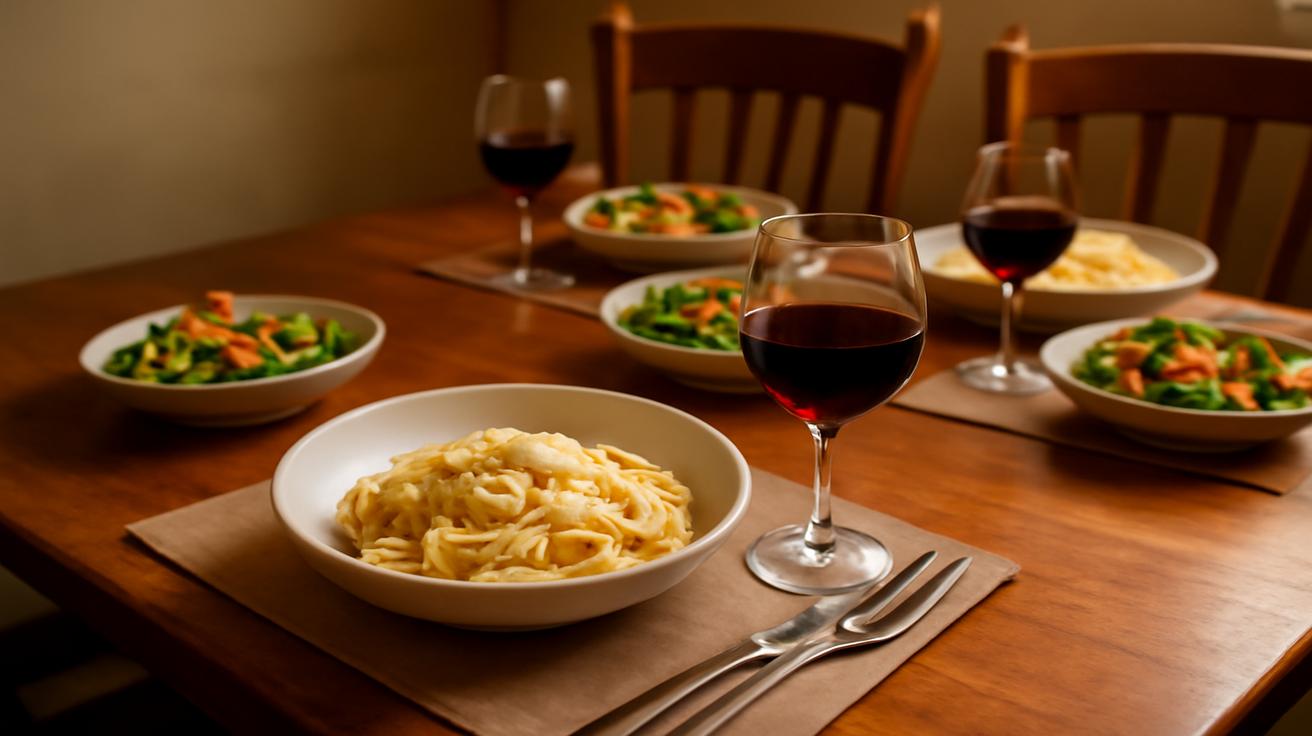
The temperature drops, daylight retreats earlier each evening, and kitchens across the country find themselves at a crossroads. As seasonal shifts reshape our routines, the way we approach dinner takes on new significance. This transition period—that moment when summer’s casual eating patterns give way to something more substantial—presents home cooks with an interesting challenge: preparing meals that work seamlessly whether you’re serving yourself or hosting an entire gathering.


The Psychology Behind Seasonal Eating Patterns
Food researchers and nutritionists have long documented the phenomenon of seasonal appetite shifts. When outdoor temperatures decline, our bodies signal for more substantial, warming foods. The body’s natural inclination toward increased caloric intake during colder months isn’t merely habit—it reflects genuine physiological changes. Our metabolic rates adjust, and comfort becomes as important as nutrition in our food choices.
This seasonal recalibration affects not just what we eat, but how we think about eating itself. Solitary diners find themselves craving heartier portions, while those accustomed to entertaining discover their gatherings naturally expand during these months. The practical question becomes: how can a single recipe serve both populations effectively?
Understanding Scalability in Recipe Design
Professional chefs have long understood that the best recipes contain built-in flexibility. The difference between feeding one person and feeding six often amounts to straightforward mathematical adjustment rather than complete recipe overhaul. However, the most elegant solutions involve dishes whose character remains unchanged regardless of serving size.
Consider the fundamental components: a well-constructed sauce that coats individual portions equally. A protein preparation method that works whether you’re cooking one portion or three. Vegetable components that maintain their integrity and texture across different cooking volumes. These elements separate truly versatile dinners from those requiring constant adjustment.
Practical Approaches to Flexible Meal Preparation
The most versatile dinner solutions typically involve one-pot or sheet-pan preparations where individual components maintain their essential character throughout cooking. A braise, for instance, develops deeper flavors the longer it sits, meaning a solo diner benefits from the same culinary advantage as a larger group. The braising liquid concentrates, the protein becomes more tender, and the aromatics deepen their influence—all regardless of quantity.
Grain-based dishes offer similar flexibility. A properly constructed pilaf or risotto scales up or down without requiring technique adjustments. The ratio of liquid to grain remains constant, the cooking time holds steady, and the final texture achieves the desired consistency whether you’re preparing two cups or eight. Similarly, grain bowls—those layered compositions of cooked grains, roasted vegetables, proteins, and dressings—inherently accommodate solo diners and groups with equal grace.
The Entertaining Aspect: Minimal Additional Labor
What makes these recipes particularly valuable for modern lifestyles is the minimal additional work required when transitioning from solo service to entertaining. A solo diner preparing a braise uses identical techniques and timing as someone cooking for four. The only substantive difference involves scaling ingredient quantities. No new skills require learning. No recipe modifications demand memorization.
This efficiency extends beyond preparation time. Cleanup considerations remain proportional to portion size rather than exponentially increasing with guest count. The serving vessel, preparation method, and overall kitchen footprint stay essentially consistent. For households where entertaining happens spontaneously—when friends call asking about evening plans—this simplicity proves invaluable.
Seasonal Vegetables and Their Flexibility
As autumn progresses into winter, the vegetable landscape shifts dramatically. Root vegetables, hardy greens, and winter squashes arrive at peak availability and flavor. These ingredients naturally lend themselves to flexible cooking approaches. A roasted carrot maintains its character whether you’re roasting four carrots or a full sheet pan. Kale becomes equally tender when sautéed in small batches or larger quantities, provided heat levels remain consistent.
Professional kitchens have long recognized that vegetables prepared through dry-heat methods—roasting, broiling, pan-searing—scale more reliably than those requiring precise timing or liquid absorption. This knowledge proves equally applicable to home cooking. When building a versatile dinner, emphasizing these preparation methods provides the flexibility required for variable guest counts.
Protein Considerations and Timing
The protein component often determines a meal’s success or failure, particularly when scaling recipes. Fish fillets present unique challenges due to their delicate nature and quick cooking times. Conversely, tougher cuts designed for braising actually improve with longer cooking periods and benefit from the flavor development that extended time provides.
Poultry and lean meats occupy a middle ground, requiring attention to cooking temperature but remaining relatively forgiving provided you avoid significant overcooking. Building a versatile dinner around proteins that fit into these latter categories—braising cuts, poultry pieces, or robust fish varieties—ensures success across different batch sizes.
Strategic Use of Accompaniments and Sides
Perhaps the most underappreciated aspect of versatile dinners involves treating sides and accompaniments as variable components. A primary dish—whether that’s a braise, roasted protein, or grain-based preparation—serves as the constant. However, the vegetables, garnishes, and flavor additions can adjust based on actual serving size and available ingredients.
This approach provides practical flexibility while maintaining the dinner’s essential character. A solo diner might simply prepare the core recipe without elaborate garnishes. Someone entertaining can expand the vegetable elements, add fresh herbs as finishing touches, and present a more composed final plate. The base remains identical; only the embellishment changes.
Beverage and Serving Considerations
Modern entertaining increasingly emphasizes relaxed, casual presentations rather than formal multi-course productions. This shift actually supports the concept of versatile dinners. A single well-executed dish, served with simple bread and perhaps a green salad, works perfectly whether it’s an intimate solo meal or a gathering of four.
The serving approach itself requires no adjustment. You’re not managing separate cooking methods or multiple proteins. You’re simply adjusting the volume of a single, well-tested preparation. This simplicity extends through all aspects of the meal, from plating to cleanup.
Building Your Seasonal Dinner Repertoire
Rather than viewing solo dining and entertaining as separate cooking challenges, forward-thinking home cooks recognize them as variations on a single theme. As colder months approach, focusing on recipes with built-in flexibility means fewer cooking methods to master and greater confidence when unexpected guests appear at your door.
The transition into cold seasons naturally encourages us toward these substantial, flexible dinners. Your kitchen’s microclimate shifts as windows fog and heating systems activate. Your social patterns adjust as outdoor activities become less appealing. Your body signals for different nutrition. Embracing recipes designed for this seasonal moment—regardless of how many people sit at your table—represents the most practical response to autumn and winter’s gentle reordering of daily life.








Leave a Comment