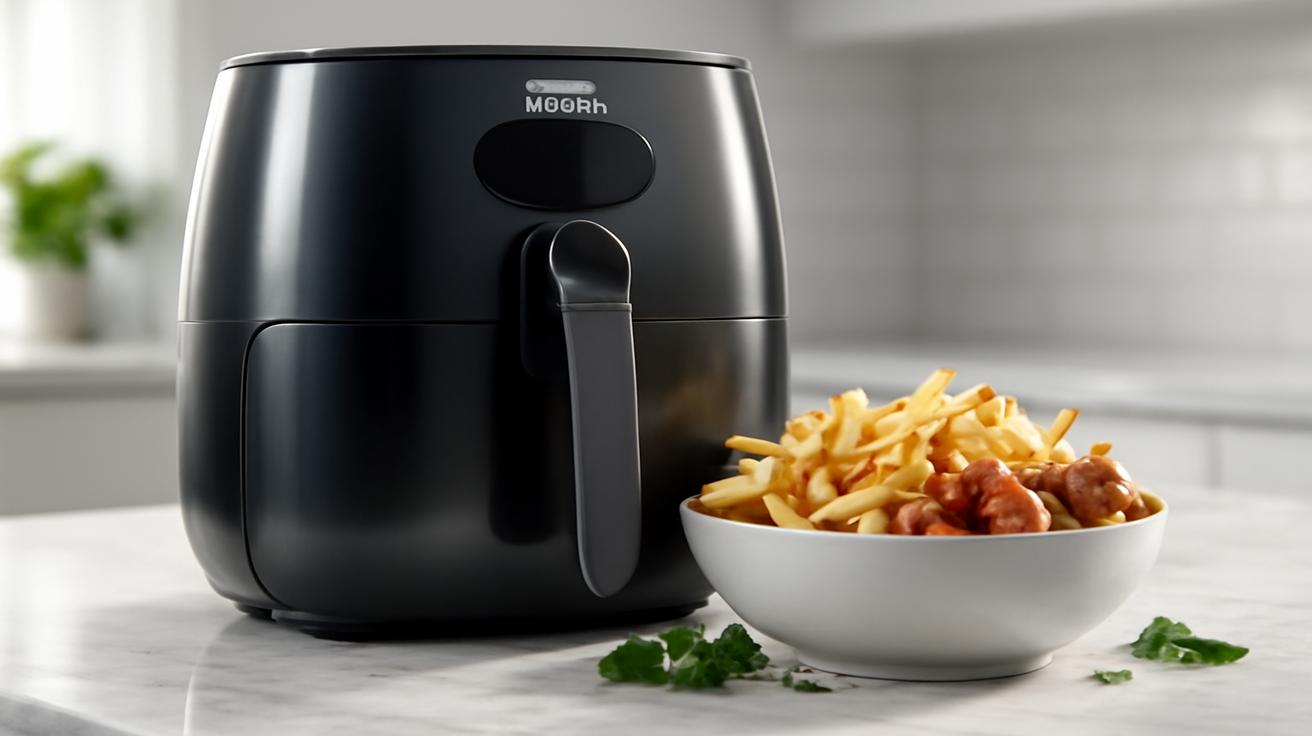
The culinary landscape is experiencing a quiet revolution, quite literally. Philips has announced the arrival of its latest airfryer model, a device that challenges conventional assumptions about modern cooking appliances while prioritizing both health-conscious preparation and environmental sustainability. The inaugural moment many users encounter involves a striking absence of noise—a gentle circulation of heated air replacing the typical mechanical sounds associated with traditional kitchen equipment.


A Quieter Kitchen Experience
Sound pollution in the kitchen has long been an overlooked aspect of cooking comfort. Philips’ engineering team recognized that many consumers prepare meals during family gatherings, early mornings, or late evenings when excessive noise proves disruptive. The newly unveiled model operates with remarkable acoustic efficiency, producing minimal sound while maintaining powerful air circulation capabilities. This whisper-like operation stems from advanced blade design and precision-engineered motor systems that distribute airflow with exceptional uniformity.
The absence of jarring mechanical noise creates a more pleasant cooking environment, transforming meal preparation from a potentially disruptive activity into a seamlessly integrated part of daily living. Whether preparing breakfast before family members wake or cooking dinner during homework time, the quiet operation respects household tranquility while delivering consistent culinary results.
Engineering Excellence Meets Sustainable Design
Beyond acoustic innovation, Philips has fundamentally restructured its airfryer architecture to address environmental concerns that increasingly influence consumer purchasing decisions. The device incorporates materials sourced from recycled content, reducing manufacturing waste while maintaining durability standards that exceed industry expectations. Construction materials have undergone rigorous testing to ensure longevity, effectively reducing the frequency with which consumers replace their kitchen equipment.
The company’s commitment to sustainability extends beyond material selection. Energy efficiency represents a cornerstone of the design philosophy, with the new model consuming approximately 30% less electricity compared to previous generations. This reduction translates to lower household energy bills and decreased carbon footprint, aligning personal financial interests with broader environmental objectives.
Health-Centric Cooking Technology
Nutritional value has become increasingly central to cooking decisions, as consumers seek methods that preserve beneficial compounds while eliminating unnecessary fats and processed ingredients. Philips’ innovative approach utilizes advanced air circulation patterns that cook food more evenly than traditional deep-frying methods, requiring minimal to no added oil for achieving desirable texture and flavor profiles.
The airfryer’s temperature control system offers precision previously unavailable in home cooking equipment. Achieving consistent heat distribution throughout the cooking chamber prevents the common problem of unevenly cooked portions, where exterior sections become excessively crispy while interior areas remain undercooked. This uniformity ensures that nutritional benefits remain intact while delivering the satisfying sensory experience consumers expect from their favorite foods.
Medical professionals and nutritionists have increasingly endorsed air frying as a viable intermediate option for individuals transitioning toward healthier dietary habits. The method reduces harmful compounds produced by conventional deep-frying processes, particularly acrylamide and advanced glycation end products that may contribute to various health conditions.

Interface Innovation and User-Centric Features
The control panel represents a significant departure from traditional button-based systems. Philips has integrated intuitive touch interfaces with smartphone connectivity, allowing users to monitor cooking progress remotely and adjust parameters without physically approaching the appliance. This connectivity feature proves particularly valuable for individuals managing multiple cooking tasks simultaneously across their kitchen.
The digital display provides real-time information about cooking duration, temperature settings, and preheating status. Preset cooking programs developed by culinary experts eliminate guesswork for popular food categories, from frozen vegetables to homemade pastries. Users can save personalized settings for frequently prepared dishes, creating a customized cooking experience that adapts to individual preferences and family dietary requirements.
Capacity and Versatility Improvements
Philips recognized that kitchen space represents a precious commodity for many households. The new model maintains a compact footprint while increasing internal capacity by 25% compared to standard airfryer configurations. This dimensional efficiency allows larger families to prepare more food simultaneously, reducing cooking time and increasing convenience.
The removable cooking basket features enhanced non-stick properties derived from ceramic-infused coating technology. This advancement facilitates cleaning while reducing the likelihood of food residue accumulation that typically requires extensive scrubbing. The basket is dishwasher safe, accommodating consumers who prefer streamlined post-meal cleanup routines.
Accessory compatibility has expanded substantially, with multiple cooking vessel options enabling preparation of diverse foods simultaneously. Home cooks can prepare proteins on one level while vegetables cook on another, maximizing appliance utilization and reducing overall meal preparation time.
Thermal Performance and Cooking Reliability
Heating elements engineered with rapid response technology reach target temperatures within three minutes, significantly faster than many competing models. This expedited preheating period appeals to busy individuals who value time efficiency without compromising food quality. The thermal management system maintains consistent temperatures throughout extended cooking sessions, preventing the temperature fluctuations that sometimes occur with inferior equipment.
The heating mechanism employs patented circulation patterns that Philips has refined through extensive testing across diverse food categories. From delicate pastries requiring gentle, even heat to robust proteins needing higher temperatures, the system adapts seamlessly to various culinary applications.

Market Impact and Consumer Expectations
The introduction of this advanced airfryer arrives during a period when consumer interest in health-focused cooking reaches unprecedented levels. Market analysts project increased adoption among demographic groups previously skeptical of air frying technology, particularly health-conscious professionals and environmentally aware families.
Philips’ research indicates that consumers increasingly view kitchen appliances as lifestyle investments rather than mere utilitarian devices. This philosophical shift has driven demand for equipment that delivers aesthetic appeal alongside functional excellence. The new model’s contemporary design aesthetic complements modern kitchen environments while maintaining the industrial durability expected from Philips’ product lineage.
Looking Forward: The Evolution Continues
This airfryer launch represents not merely an incremental improvement but rather a thoughtful reimagining of how cooking appliances can serve contemporary households. By addressing acoustic comfort, environmental responsibility, nutritional outcomes, and user convenience simultaneously, Philips has established new baseline expectations for the category.
Future iterations will likely build upon these foundational innovations, incorporating artificial intelligence for personalized cooking recommendations and expanded ecosystem integration with other smart kitchen devices. The trajectory established by this release suggests that cooking appliance design will continue evolving toward increasingly sophisticated solutions that serve practical needs while respecting both personal wellbeing and planetary health.
For consumers contemplating kitchen appliance investments, this new Philips airfryer deserves serious consideration as a versatile tool capable of supporting healthier eating patterns, reducing household energy consumption, and delivering the quiet, reliable performance that modern kitchens increasingly demand.











Leave a Comment