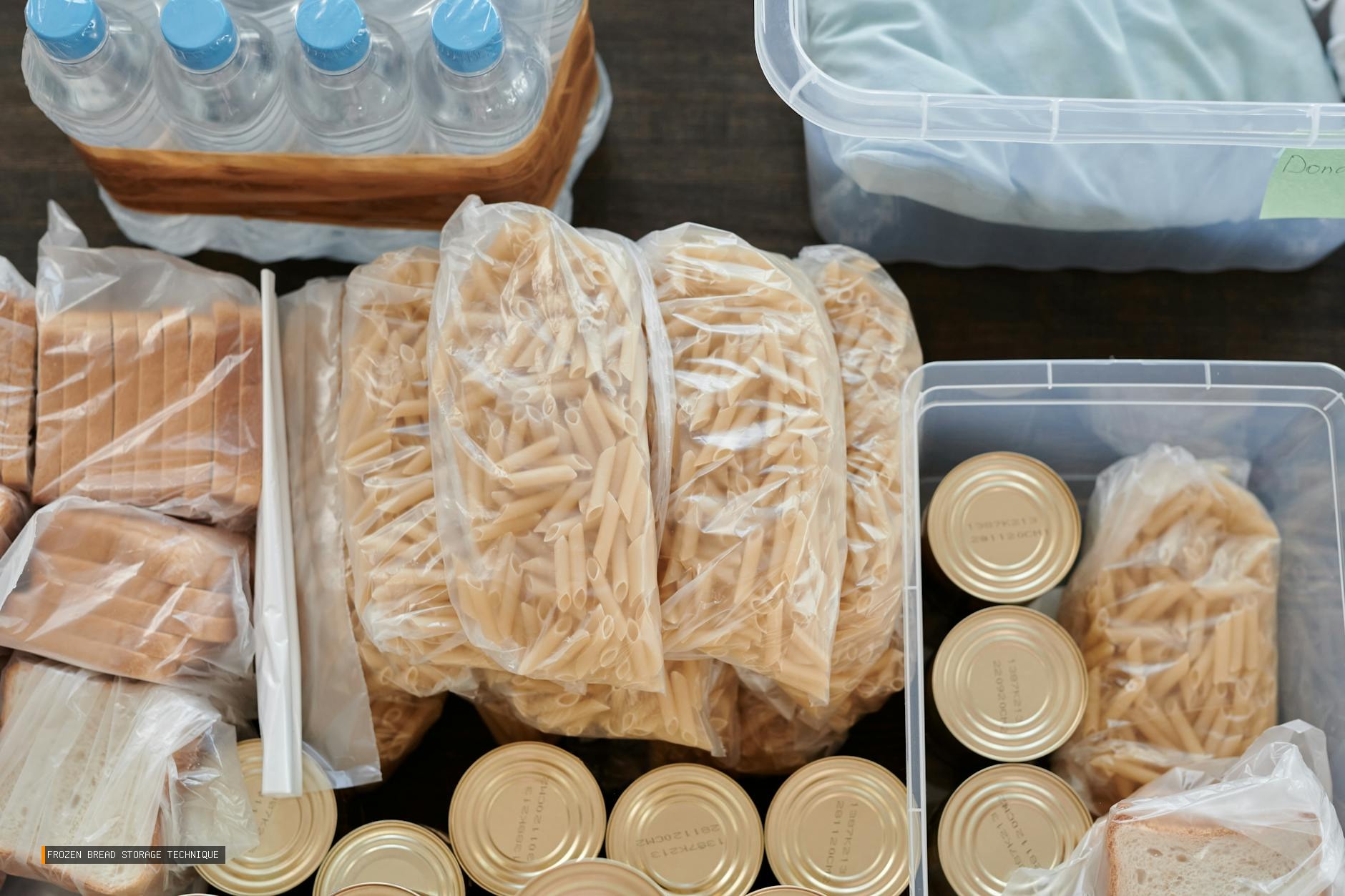
Freezing Bread Correctly: The Mistake That Ruins Quality Upon Thawing
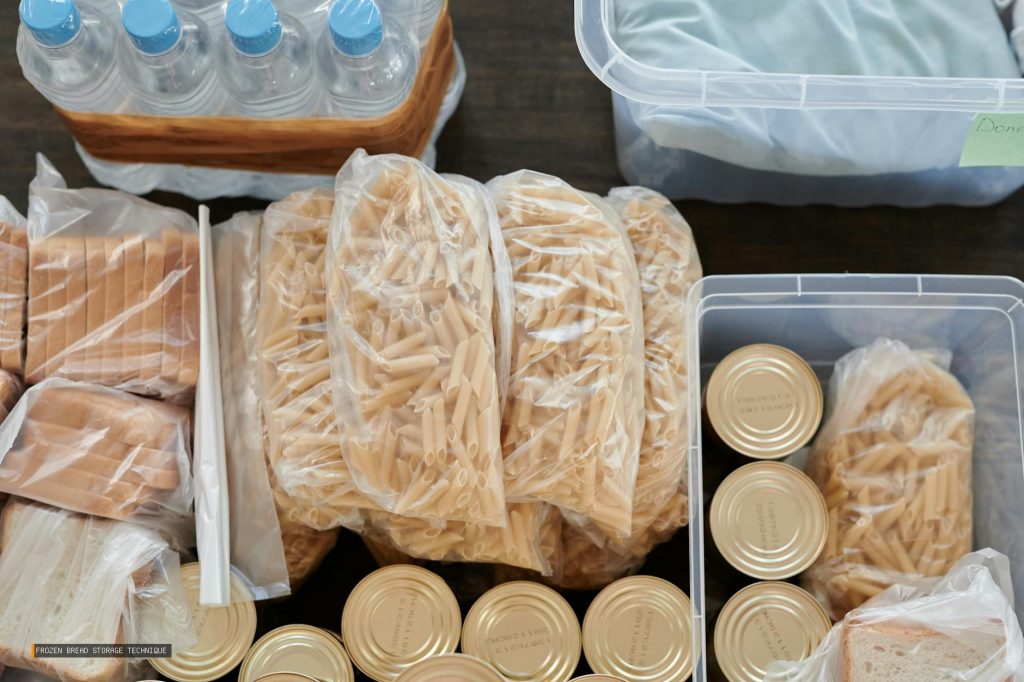
The smell of freshly baked bread is one of life’s simple pleasures, but that perfect loaf loses its appeal when freezing bread incorrectly. Most households believe simply wrapping bread and placing it in the freezer preserves quality, yet a critical error during thawing destroys texture, crust, and taste within minutes of removal.


The Primary Freezing Bread Mistake: Improper Thawing Temperature
The single most destructive error in freezing bread involves allowing it to thaw at room temperature without protective covering. When bread transitions from freezer conditions directly to warm air, condensation forms rapidly on the surface. This moisture gets absorbed into the outer crust and crumb structure, creating a soggy, dense texture that bears no resemblance to the original product.
Food scientists at the Cereal Chemistry Laboratory have documented that bread thawed improperly experiences significant structural collapse due to starch retrogradation combined with excessive surface moisture. The bread doesn’t simply soften—it becomes unappetizing and potentially develops mold faster than fresh bread would.
How Condensation Destroys Bread Structure
Bread contains a delicate network of gluten strands and air pockets that give it characteristic texture. Moisture from condensation fills these pockets and collapses the matrix. Unlike fresh bread where moisture is evenly distributed during baking, post-thaw moisture sits on surfaces and penetrates unevenly, creating inconsistent, disappointing results.
The Science Behind Frozen Bread Degradation
When bread freezes, ice crystals form within the crumb. These crystals puncture cell walls. Upon thawing, those damaged cells release moisture into surrounding areas. Without proper technique, this released water has nowhere to escape, pooling and creating sogginess instead of returning to normal bread structure.
Correct Methods for Freezing Bread Effectively
Proper freezing bread storage begins before the loaf even reaches the freezer. Timing, wrapping materials, and storage duration all influence final quality. Understanding these variables prevents common preservation mistakes that compromise your investment in quality bread.
Optimal Wrapping and Packaging Techniques
- Wrap cooled bread first in parchment paper to create a moisture barrier
- Add a second layer of aluminum foil for additional protection against freezer burn
- Use freezer-grade plastic bags rated for sub-zero temperatures
- Remove as much air as possible using vacuum sealing for maximum freshness
- Never wrap warm bread—allow complete cooling first to prevent internal condensation
Double-wrapping provides crucial insulation against temperature fluctuations in your freezer. Single-layer wrapping allows freezer burn, where surface ice crystals form and cause dry, discolored patches. Professional bakeries use multi-layer systems precisely because they understand this critical distinction.
Timing Considerations for Freezing Bread
Bread frozen within two hours of cooling maintains superior quality compared to bread frozen days later. The fresher the bread at freezing, the better the final result after thawing. Artisan bakeries often freeze loaves immediately after cooling to lock in peak freshness before any staling occurs naturally.
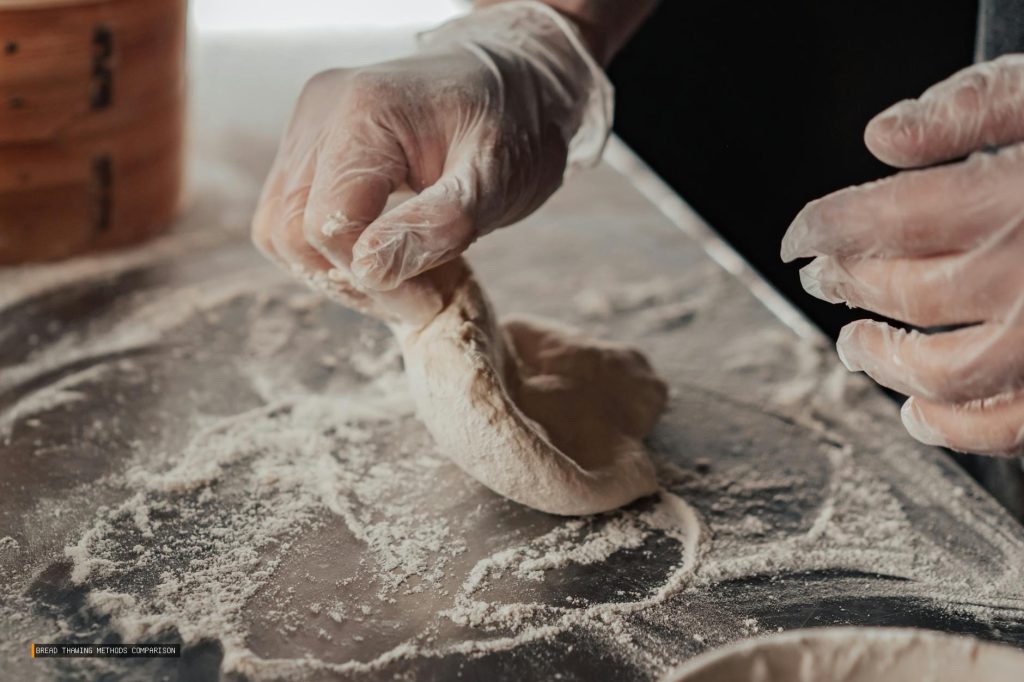
The Proper Thawing Process: Your Second Chance at Quality
Thawing method determines whether your frozen bread resurrects as bakery-fresh or becomes inedible. This stage is where most households fail, undoing all proper freezing bread work completed earlier.
Refrigerator Thawing: The Recommended Method
Thawing bread in the refrigerator over 8-12 hours allows gradual moisture equalization without condensation formation. The bread slowly warms while remaining in a controlled, low-humidity environment. This patience-requiring method produces results nearly identical to fresh bread. Wrap the loaf loosely in a kitchen towel within its freezer packaging during this process.
Counter-Thawing With Protective Covering
If you lack refrigerator space or time, thaw at room temperature while keeping bread wrapped. This reduces—though doesn’t eliminate—condensation compared to unwrapped thawing. Leave wrapping intact for the first 30-45 minutes, then unwrap to allow any surface moisture to evaporate. This hybrid approach takes 2-3 hours but maintains reasonable quality.
Oven-Reviving Frozen Bread: The Professional Approach
Thaw bread wrapped in the oven at 350°F (175°C) for 15-20 minutes. Heat gently warms the loaf while the wrapping traps steam that redistributes evenly throughout the crumb. Unwrap and bake directly on the rack for an additional 5 minutes to crisp the crust. This method actually improves crust quality beyond many thawed loaves.
Research from the American Bakers Association indicates that properly frozen and thawed bread retains 92% of its original sensory qualities, while incorrectly thawed bread loses over 60% of its appeal within 24 hours of thawing.
Storage Duration and Freezer Management
Even perfect freezing bread technique has limits. Most breads maintain peak quality for 3-4 months when frozen properly. Beyond six months, freezer burn and flavor degradation become noticeable. Dense breads like sourdough preserve longer than light, airy sandwich breads.
Organizing Your Freezer for Bread Storage
- Label packages with freezing date clearly visible
- Store bread toward the back, away from temperature-fluctuating door areas
- Maintain freezer temperature at 0°F (-18°C) or colder
- Avoid stacking heavy items on top of bread packages
- Use FIFO method—first in, first out—to prevent extended storage
Freezer organization prevents forgotten loaves that eventually become unsuitable. Most households waste frozen bread simply because they forget what’s stored or how long it’s been frozen. Visible labeling takes seconds and saves significant waste.

Types of Bread and Freezing Performance Variations
Different bread varieties respond differently to freezing. Understanding these distinctions helps set realistic expectations and choose appropriate freezing times for different loaves.
Soft Breads and Quick Breads
Sandwich breads, white loaves, and quick breads like banana bread freeze excellently due to their inherent moisture content. They tolerate freezing better than harder varieties and often seem fresher after proper thawing than day-old fresh versions.
Artisan and Crusty Breads
Sourdough, baguettes, and ciabatta require careful handling. The crust becomes very hard during freezing and can shatter if dropped. Thaw these varieties slowly in the refrigerator or use the oven method exclusively. Their lower moisture content means faster thawing but more condensation sensitivity.
Enriched Breads
Brioche, challah, and other butter-rich breads freeze well due to fat content acting as a preservation agent. These varieties actually improve slightly during frozen storage as flavors meld and develop. Standard thawing methods work exceptionally well with enriched breads.
Key Takeaways
- The primary freezing bread mistake is thawing at room temperature unwrapped, causing destructive condensation formation
- Double-wrap bread in parchment and foil before freezing to prevent freezer burn and moisture loss
- Refrigerator thawing over 8-12 hours produces the highest quality results
- Oven-thawing at 350°F for 15-20 minutes rivals fresh bread quality while crisping crusts
- Frozen bread maintains peak quality for 3-4 months when stored properly at 0°F or colder
Freezing bread successfully requires understanding that proper technique extends beyond the freezer door. The critical mistakes happen during thawing, where condensation and improper temperature management undo all previous efforts. By implementing refrigerator or oven-based thawing methods instead of counter-thawing exposed bread, you’ll discover that your frozen loaves rival freshly baked quality. Start with proper wrapping, maintain freezer organization, and commit to patient thawing methods. Your investment in quality bread deserves preservation methods that honor that investment. Freezing bread mistakes are entirely preventable with knowledge and attention to these proven techniques.










Leave a Comment