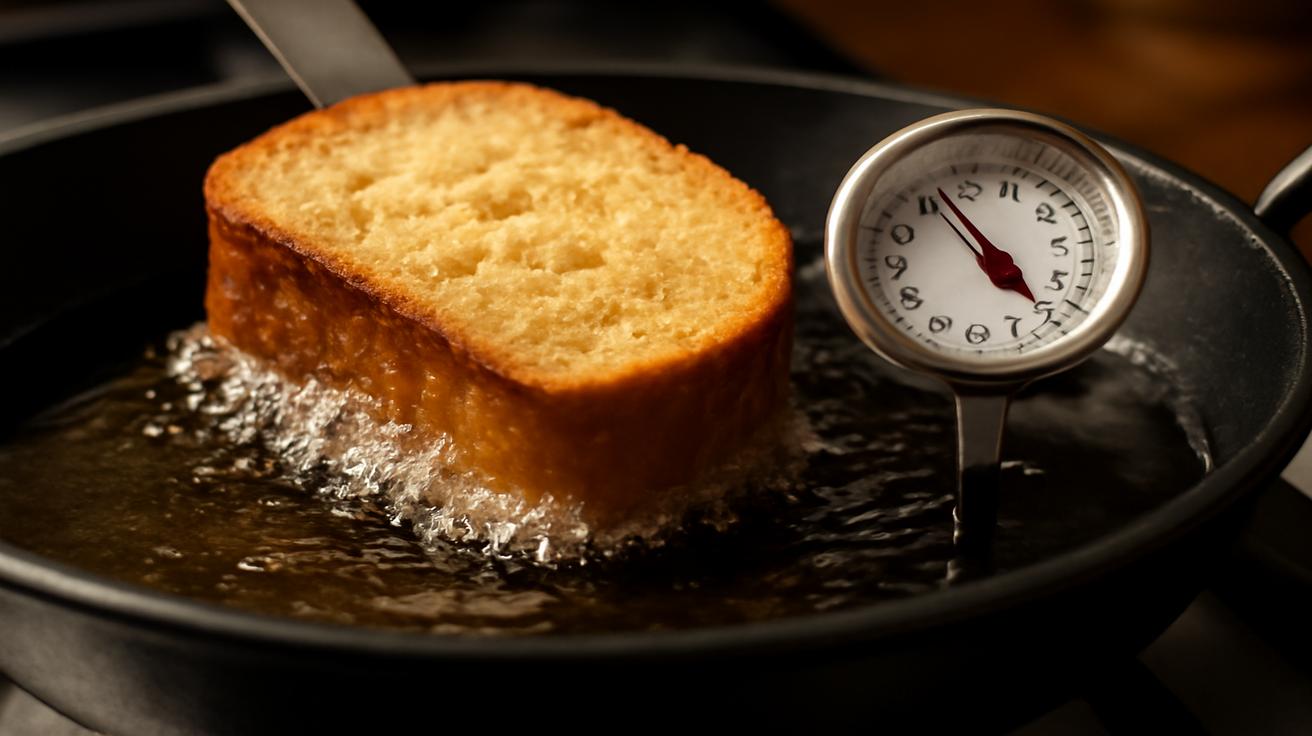
The anticipation builds as you approach the kitchen during Holy Week in Spain. That unmistakable aroma of warmth emanates from the stovetop—not the fragrance of cinnamon or caramelized sugar, but something more fundamental: the scent of oil reaching its optimal state. For generations, home cooks and professional chefs have wrestled with the question of achieving perfectly fried torrijas. Now, culinary experts have spoken with remarkable clarity about the exact temperature required to transform bread, eggs, and milk into this beloved Spanish delicacy.

Understanding the Traditional Torrijas
Torrijas represent far more than a simple fried bread dish. This Spanish and Portuguese tradition, particularly cherished during the Lenten season, carries centuries of cultural significance. The basic ingredients remain deceptively simple: day-old bread sliced into thick pieces, whole milk, eggs, cinnamon, sugar, and honey. Yet the transformation from these humble components into something extraordinary depends entirely on one critical variable that many home cooks overlook or underestimate.
The preparation process itself is straightforward. Bread slices are briefly submerged in warm milk infused with cinnamon and perhaps a hint of lemon zest. The moistened bread then receives a thorough coating of beaten eggs before meeting the waiting oil. What happens in that crucial moment determines whether you achieve a masterpiece or a disappointing, grease-logged failure.
The Expert Consensus on Temperature
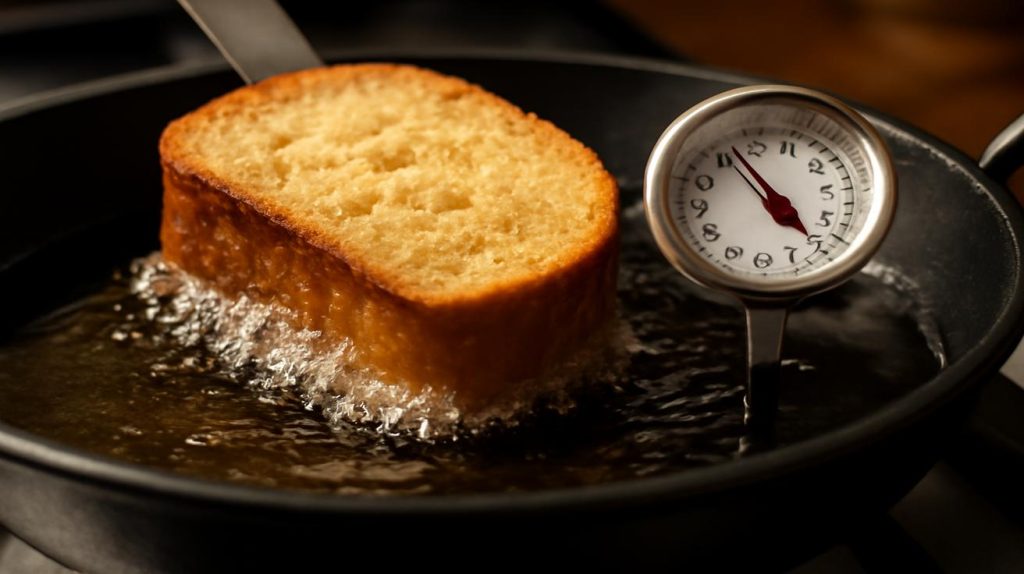
Spanish culinary experts and professional chefs have reached a definitive conclusion: torrijas require oil heated to between 160°C and 170°C (320°F to 340°F). This specific temperature range represents the sweet spot where multiple culinary objectives align simultaneously. At this temperature, the exterior of each piece develops a delicate golden crust while the interior remains soft and absorbent, capable of soaking up the honey drizzle that traditionally finishes the dish.
Chef María González, who specializes in traditional Spanish pastry and fried foods at Madrid’s Institute of Culinary Excellence, explains the scientific reasoning: “The egg coating requires sufficient heat to set the proteins while creating that coveted textural contrast. Too cold, and you get a greasy, doughy result. Too hot, and the bread burns before the interior achieves the proper moisture absorption.”
This temperature range has been validated through countless controlled kitchen experiments and professional food science applications. The specificity matters considerably. Even a variance of twenty degrees in either direction produces noticeably different results that sophisticated palates can immediately detect.
Why Temperature Control Matters
Many home cooks approach oil temperature with casual indifference, relying instead on intuition or crude visual cues. This approach accounts for the disappointing torrijas served in countless kitchens each Easter season. Without proper temperature monitoring, several undesirable outcomes become likely.
When oil temperature falls below 160°C, the torrijas absorb excessive oil during cooking. The egg coating fails to set properly, resulting in a soggy, unappetizing texture. The bread becomes heavy and dense rather than delightfully light. Additionally, the exterior never achieves that signature golden-brown appearance that makes torrijas visually appealing.
Conversely, oil exceeding 170°C causes the exterior to brown too rapidly before adequate heat penetrates the interior. The bread remains cold and uncooked in the middle, creating an unpleasant contrast and wasting the potential of quality ingredients. The egg coating may even scorch, becoming bitter and unpleasant.
Professional cooks emphasize that maintaining consistent temperature throughout the frying process proves equally important as achieving the initial target. As torrijas enter the oil, the temperature naturally drops slightly due to heat transfer. Properly calibrated burners compensate for this reduction, maintaining the oil within the optimal range continuously.
Practical Tools and Techniques for Temperature Management
Modern home cooks possess advantages unavailable to previous generations. Instant-read thermometers designed specifically for cooking oil have become affordable and reliable. Professional chefs universally recommend investing in a quality thermometer with a probe suitable for deep frying. This single tool eliminates guesswork and dramatically improves success rates.
A reliable deep-fry thermometer should feature a clearly readable display, rapid response time, and measurement capability throughout the temperature range needed for torrijas preparation. Some models include pre-set temperature indicators for common frying applications, though manually setting the target temperature provides greater control.
Beyond thermometer selection, equipment matters. Heavy-bottomed pans or dedicated deep-fryers distribute heat more evenly, preventing hot spots that cause inconsistent cooking. The pan should be deep enough to accommodate at least three inches of oil while maintaining safe clearance from the rim.
The Science of Heat Transfer in Torrijas
Understanding the physics occurring during frying illuminates why exact temperature proves so critical. When torrijas first contact the hot oil, water in the egg coating and bread surface immediately begins evaporating. This rapid evaporation creates steam that gradually cooks the interior through a combination of moist heat and conduction.
The egg proteins simultaneously denature from the heat, forming a protective barrier that prevents excessive oil absorption. This protein network creates the characteristic crispy exterior that distinguishes properly cooked torrijas from inferior versions.
Carbohydrates in the bread undergo the Maillard reaction at these temperatures, developing complex flavors and that appealing golden color. This chemical reaction occurs most effectively within a narrow temperature window. Below this range, insufficient browning occurs. Above it, the reaction proceeds so rapidly that flavor complexity diminishes.
Professional Cooking Methods
High-end Spanish restaurants employ specific techniques that home cooks can replicate. Professional cooks often fry torrijas in pairs, carefully monitoring the timing to ensure both sides achieve identical coloring. They typically fry each piece for approximately ninety seconds per side, adjusting slightly based on bread thickness.
The finished torrijas rest briefly on absorbent paper towels to remove excess oil before receiving their final honey or sugar coating. Some chefs apply honey while torrijas remain warm, allowing it to seep into the warm bread and create an integrated flavor profile rather than a simple surface coating.
Common Temperature Mistakes to Avoid
Rushing the heating process represents the most frequent error among home cooks. Oil requires sufficient time to reach stable temperature throughout the entire pan. Most cooks underestimate this requirement, beginning to fry before the oil has fully acclimated to the target temperature.
Another widespread mistake involves overcrowding the pan. Adding multiple torrijas simultaneously causes dramatic temperature drops that cannot be easily compensated. Professional cooks work with smaller batches, frying just two to four pieces at a time.
Reusing oil without proper filtration or monitoring temperatures during extended cooking sessions also compromises results. Oil begins breaking down at high temperatures, and repeated use introduces food particles that lower the smoke point and affect the final product quality.
Achieving Excellence in Your Kitchen
Now that culinary experts have definitively established the temperature parameters, home cooks possess no excuse for producing inferior torrijas. The knowledge exists. The tools are accessible and affordable. The remaining component is commitment to precision and patience.
Each Easter season represents an opportunity to honor this traditional recipe by respecting its technical requirements. Whether you prepare torrijas for family or for a celebration involving guests, that first sensory impression—the warmth rising from perfectly heated oil—signals that something special is about to emerge. With the expert guidance now publicly available, that promise transforms into consistent, delicious reality.











Leave a Comment