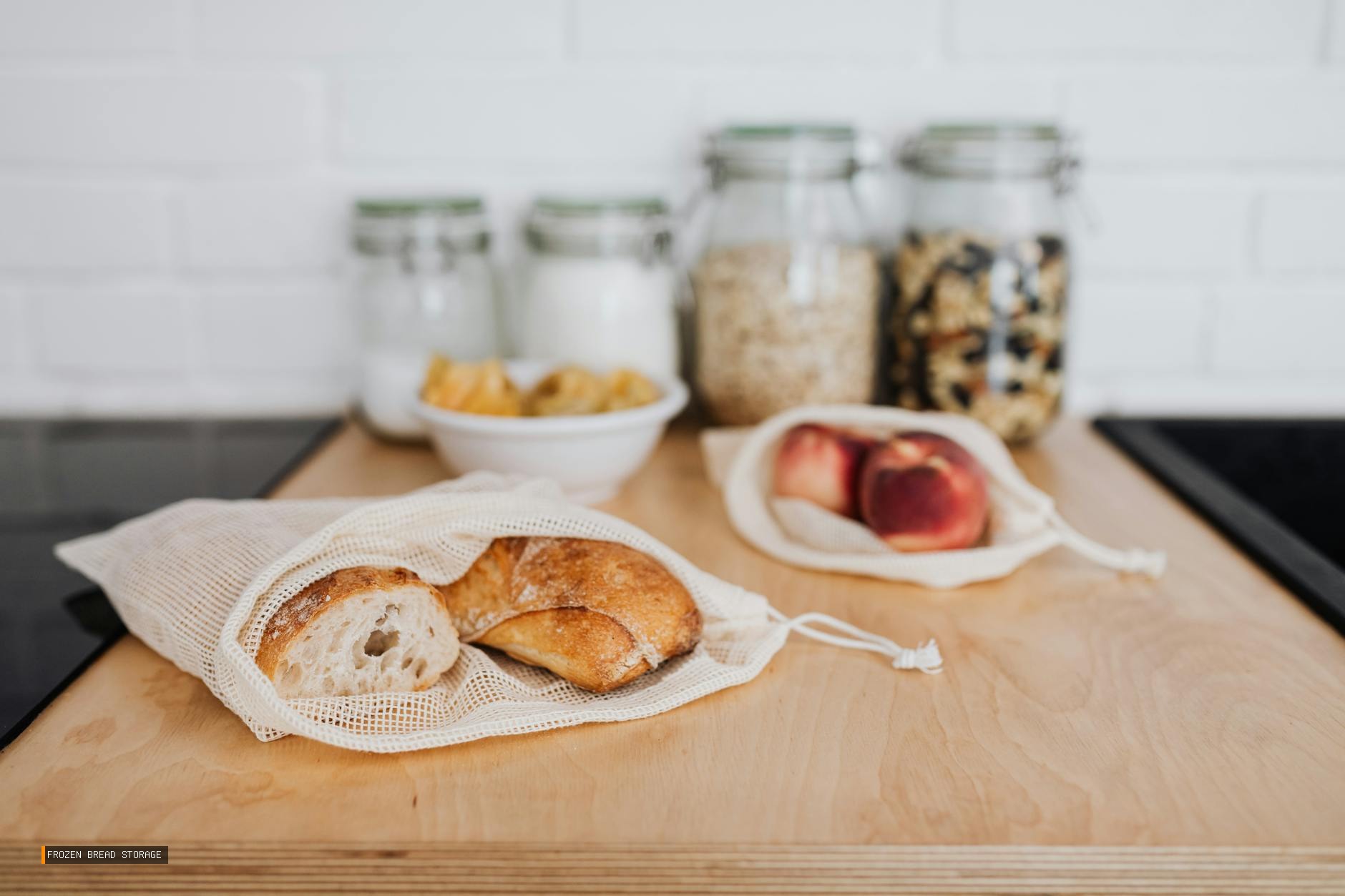
Freezing Bread Correctly: The Moisture Mistake That Ruins Texture
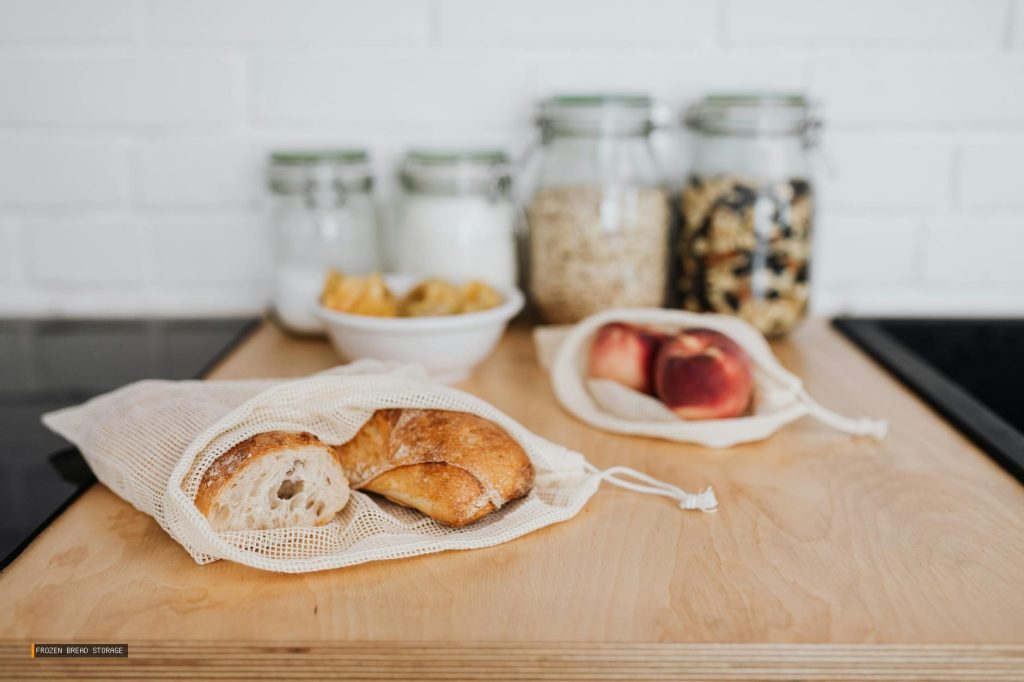
The smell of freshly baked bread is one of life’s simple pleasures, but what happens when you want to preserve that loaf? Most people freeze bread using a method that seems logical but produces disappointing results. A freezing bread mistake happens in seconds and ruins texture the moment it leaves the freezer. Understanding the science behind proper bread freezing can transform how you store and enjoy your favorite loaves.

Why Freezing Bread Seems Simple But Goes Wrong
Bread freezing appears straightforward: wrap the loaf, place it in the freezer, and retrieve it when needed. However, this oversimplified approach ignores the fundamental challenge of ice crystal formation and moisture migration. When bread freezes without proper preparation, water molecules within the crumb structure crystallize unevenly. This creates damaging ice crystals that puncture cell walls and destroy the delicate gluten network that gives bread its characteristic texture.
The moisture problem intensifies during thawing. As frozen bread warms, condensation develops on the surface and within the crumb. Without a protective barrier, this moisture penetrates the bread’s structure, resulting in a soggy, compressed loaf that bears no resemblance to the original fresh product. Industry research shows that improper freezing methods can reduce bread shelf life quality by up to 40 percent within the first week of thawing.
The Temperature Fluctuation Factor
Freezer temperature consistency matters more than most home cooks realize. Bread stored in freezers that cycle between temperatures experiences repeated freeze-thaw cycles on a microscopic level. Each cycle causes additional ice crystal formation and cell structure degradation. Maintaining a constant freezer temperature below 0°F (minus 18°C) is essential for preserving bread quality during extended storage periods.
The Critical Freezing Bread Mistake: Inadequate Wrapping
The most common error in freezing bread involves insufficient protection from air exposure and moisture loss. Simply placing a loaf in a plastic bag or basic plastic wrap creates multiple problems. Air pockets allow oxidation to occur, which degrades flavor compounds and can cause staleness within days. Additionally, inadequate wrapping permits freezer burn, where moisture evaporates from the bread’s surface and becomes frost on the freezer walls.
Why Single-Layer Protection Fails
Using a single layer of plastic wrap or one freezer bag provides minimal insulation against temperature fluctuations and air exposure. The bread’s natural moisture can escape, or external freezer moisture can penetrate the barrier. Professional bakeries use multi-layer protection systems for this reason. Home freezers lack the controlled environment of commercial flash-freezing units, making multiple protective layers essential for maintaining quality.
The Condensation Trap During Thawing
When frozen bread thaws inside its protective wrapping, condensation accumulates on the interior surface. This trapped moisture has nowhere to escape and is reabsorbed directly into the bread’s crumb structure. The result is a dense, gummy texture that feels undercooked despite being fully thawed. This condensation problem is the primary reason why properly frozen bread sometimes tastes worse than bread that was never frozen at all.

How to Freeze Bread Properly: The Correct Method
Preventing the freezing bread mistake requires a systematic approach that addresses moisture, air exposure, and temperature stability simultaneously. The gold standard method involves three protective layers and strategic thawing timing.
Step-by-Step Freezing Process
- Cool the bread completely — Allow fresh bread to cool to room temperature for at least 2-3 hours before freezing. Warm bread releases steam that creates excess moisture inside packaging.
- Slice strategically — Slice bread before freezing if you plan to use individual portions. This prevents moisture accumulation on cut surfaces and allows faster, more even thawing.
- Wrap in plastic wrap first — Use a tight double layer of plastic wrap, ensuring no air pockets remain. This provides immediate moisture barrier protection.
- Add a second layer with aluminum foil — Wrap the plastic-covered loaf tightly in aluminum foil. Foil provides superior insulation against temperature fluctuations and prevents freezer burn.
- Use a freezer bag as the final layer — Place the foil-wrapped loaf in a labeled freezer-safe bag. Remove as much air as possible before sealing. This final layer protects against odor transfer and provides additional moisture protection.
- Label with the freeze date — Record when the bread was frozen. Properly frozen bread maintains quality for 3-4 months, though optimal flavor lasts 2-3 months.
Temperature and Storage Location Matters
Store wrapped bread in the coldest part of your freezer, typically the back of the bottom shelf. Avoid the freezer door, where temperature fluctuations are most severe due to repeated opening and closing. Maintain a freezer temperature of 0°F or below. Check your freezer thermometer monthly to ensure consistent cold storage conditions.
Professional bakeries report that properly wrapped bread stored at minus 18°C (0°F) or below can maintain up to 90 percent of its original texture and flavor quality for up to three months, compared to just 40 percent quality retention with standard single-layer wrapping.
The Thawing Process: Where Most People Fail Again
Many people correctly freeze bread but then undermine all their efforts during thawing. Rapid thawing at room temperature accelerates condensation formation. Microwave thawing creates uneven heating and rubbery texture. The optimal method requires patience and planning.
Proper Thawing Techniques
- Refrigerator thawing (best method) — Transfer wrapped bread to the refrigerator 8-12 hours before serving. This slow thawing minimizes condensation and moisture reabsorption. Bread thaws evenly while retaining texture.
- Counter thawing with wrapping removed — Place unwrapped bread on a clean kitchen counter for 1-2 hours. Removing the wrapping allows condensation to evaporate rather than reabsorb into the crumb.
- Oven reheating (for crusty breads) — Preheat your oven to 375°F (190°C). Wrap frozen bread in foil and heat for 20-30 minutes until warmed through. This method restores crustiness while minimizing interior moisture problems.
- Toaster method (for sliced bread) — Toast frozen slices directly from the freezer. This removes surface moisture through evaporation while heating the bread evenly.
Why Never to Thaw at Room Temperature
Room temperature thawing allows condensation to form rapidly on the bread’s exterior and saturate the outer crumb layer. This moisture then migrates inward as thawing progresses, leaving you with a bread texture similar to day-old bakery products that have absorbed excess humidity. The process typically requires 2-4 hours, during which the bread accumulates unwanted moisture throughout.
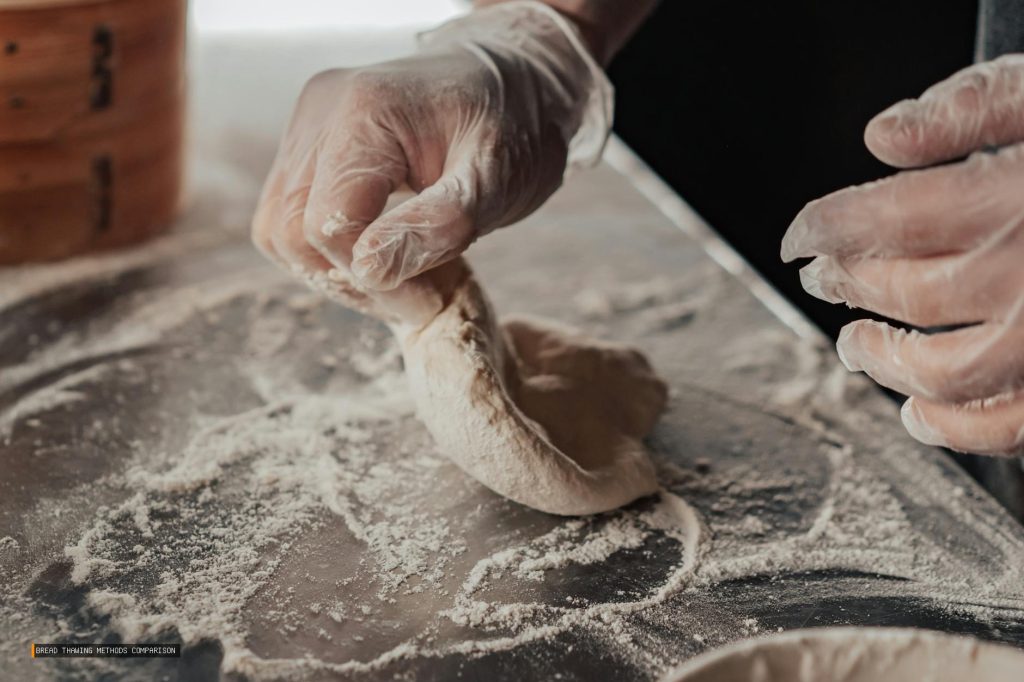
Different Bread Types Require Adjusted Freezing Strategies
Not all breads freeze equally well. Understanding your specific bread type ensures optimal results when you eventually thaw and serve it.
Crusty Artisan Breads and Sourdough
These breads benefit from oven reheating. The initial blast of heat restores crustiness while interior moisture content redistributes appropriately. Wrap tightly before freezing, and plan to oven-reheat rather than thaw passively. This method recovers 85-90 percent of the original texture quality.
Soft Breads: Sandwich and Pullman Loaves
Soft breads are more forgiving freezer candidates because they contain higher moisture content naturally. Still apply multi-layer wrapping. Refrigerator thawing works exceptionally well, as the slow process prevents condensation accumulation that would make soft crumbs mushier.
Quick Breads: Banana, Zucchini, and Pumpkin
These dense breads actually improve slightly after freezing and thawing, as moisture redistributes evenly throughout the crumb structure. Counter thawing works well, and these breads rarely develop soggy texture problems that plague other varieties.
Key Takeaways
- The primary freezing bread mistake is inadequate wrapping that allows air exposure and moisture loss, resulting in soggy texture when thawed.
- Use three protective layers: plastic wrap, aluminum foil, and a freezer bag to prevent ice crystal formation and condensation problems.
- Thaw bread slowly in the refrigerator or unwrapped at room temperature to minimize moisture reabsorption into the crumb structure.
- Properly frozen bread maintains quality for 2-3 months at 0°F (minus 18°C) or below, with texture degradation accelerating in freezers with temperature fluctuations.
- Different bread types benefit from specific thawing methods; crusty breads respond well to oven reheating while soft breads prefer refrigerator thawing.
Storage Tips Beyond the Freezer Mistake
Understanding what not to do prevents the freezing bread mistake, but additional storage considerations enhance results further. Keep your freezer organized so wrapped bread doesn’t get buried under heavy items that compress it. Avoid storing strong-smelling foods near bread, as plastic wrapping doesn’t completely prevent odor absorption over extended periods.
Consider slicing bread before freezing in individual portion packs. This eliminates the need to thaw an entire loaf when you want just a few slices. Mark each pack with the bread type and freeze date. This organizational system transforms frozen bread from an afterthought into a convenient, quality-controlled food resource.
Freezing bread correctly requires understanding the science behind moisture management and texture preservation. The freezing bread mistake—inadequate wrapping and improper thawing—ruins what could be a practical way to preserve homemade and bakery-quality loaves. By implementing multi-layer wrapping, maintaining consistent freezer temperatures, and using appropriate thawing methods, you can enjoy bread that tastes remarkably close to the day it was baked. Your morning toast or sandwich will thank you when you’ve avoided this common pitfall that destroys so many good intentions of bread preservation.










Leave a Comment