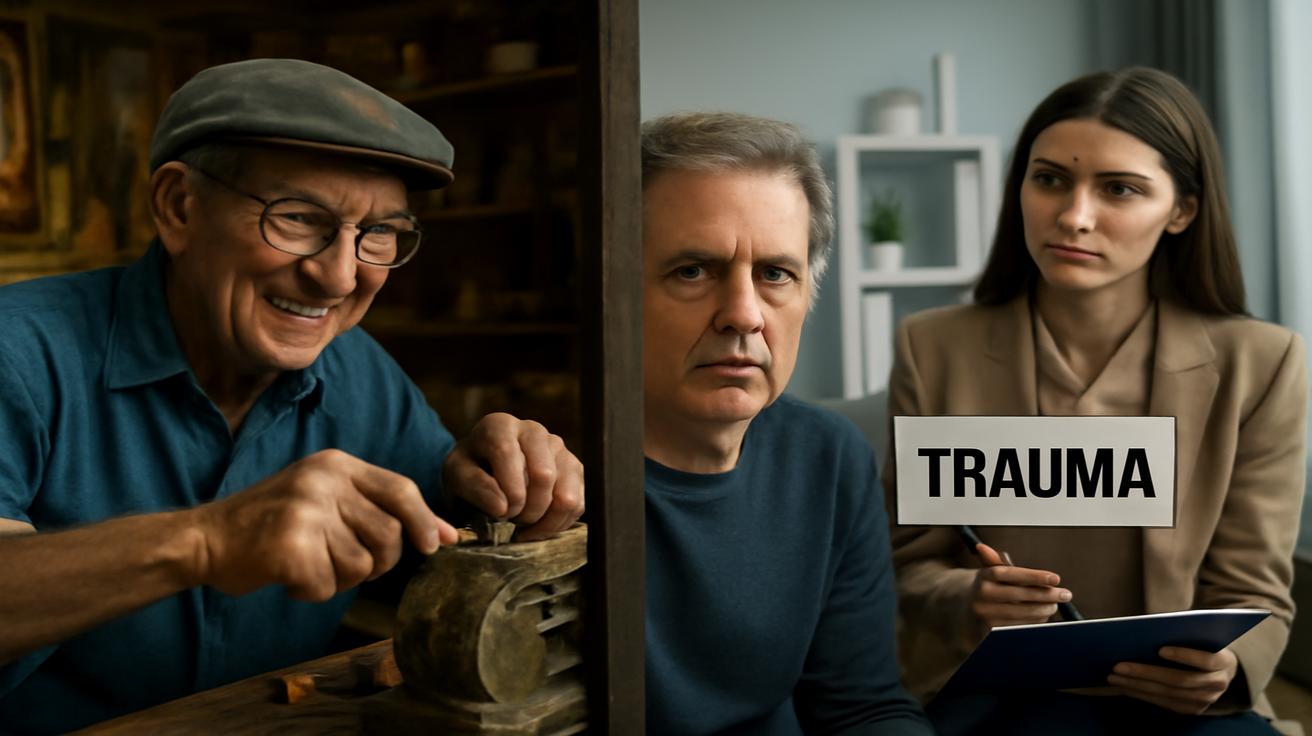
For decades, they were the generation that got things done. The ones who didn’t complain, who pulled themselves up by their bootstraps, who turned obstacles into opportunities. But increasingly, therapists, psychologists, and social commentators are suggesting something unsettling: what looked like strength might actually be survival mechanisms gone wrong. For millions of people born between 1960 and 1979, this reframing has become deeply uncomfortable—forcing them to reconsider whether their entire identity is built on unhealed wounds.


The Unspoken Code of a Harder Era
Children of the 1960s and 1970s grew up in a radically different parenting landscape than today’s carefully scaffolded youth. Divorce rates were skyrocketing. Economic uncertainty loomed constantly. Parental attention was, by modern standards, remarkably scarce. Kids were expected to entertain themselves, resolve their own conflicts, and certainly never burden adults with emotional concerns.
“Toughen up.” “Stop crying.” “Figure it out yourself.” These weren’t considered harmful phrases—they were considered wisdom. Parents believed they were preparing their children for a harsh world, and in many ways, they were right. This generation did become resourceful, independent, and remarkably self-reliant.
The problem, contemporary psychology now suggests, isn’t whether this worked. It clearly did—by most external measures. The problem is what it cost.
When Survival Strategies Look Like Success
In therapy offices and online forums, a pattern has emerged. People in their 50s and 60s arrive with impressive resumes, stable families, and functional lives—but also with anxiety they can’t explain, difficulty forming intimate connections, perfectionism that borders on pathological, and an inability to rest without feeling guilty. They describe childhoods marked by emotional neglect, parental unpredictability, or low-grade constant stress. They learned to anticipate problems before they happened, to overfunction in relationships, to suppress their own needs in favor of maintaining stability.
Therapists now recognize these patterns as symptoms of complex trauma, even when no single dramatic event occurred. The trauma wasn’t necessarily physical abuse or acute loss—it was the chronic message that emotions were inconvenient, vulnerability was weakness, and your worth was measured entirely by your productivity.
This reframing has created a peculiar crisis. People who spent five decades believing their compulsive work ethic was a virtue are being told it’s a symptom. The very qualities that built their success—the ability to suppress feelings, the relentless drive to prove themselves, the difficulty asking for help—are now being pathologized.
The Generational Identity Collision
The discomfort this creates runs deep. For this cohort, the narrative of their lives was always clear: they overcame. They didn’t have therapy or emotional validation, but they succeeded anyway. This wasn’t just personal identity—it was the story of their entire generation. They were the ones who didn’t need help. They figured it out. They moved forward.
Now, a cultural moment obsessed with naming trauma and healing has suggested that perhaps moving forward without processing pain isn’t resilience—it’s suppression. The survival mechanism becomes the illness that needs treatment.
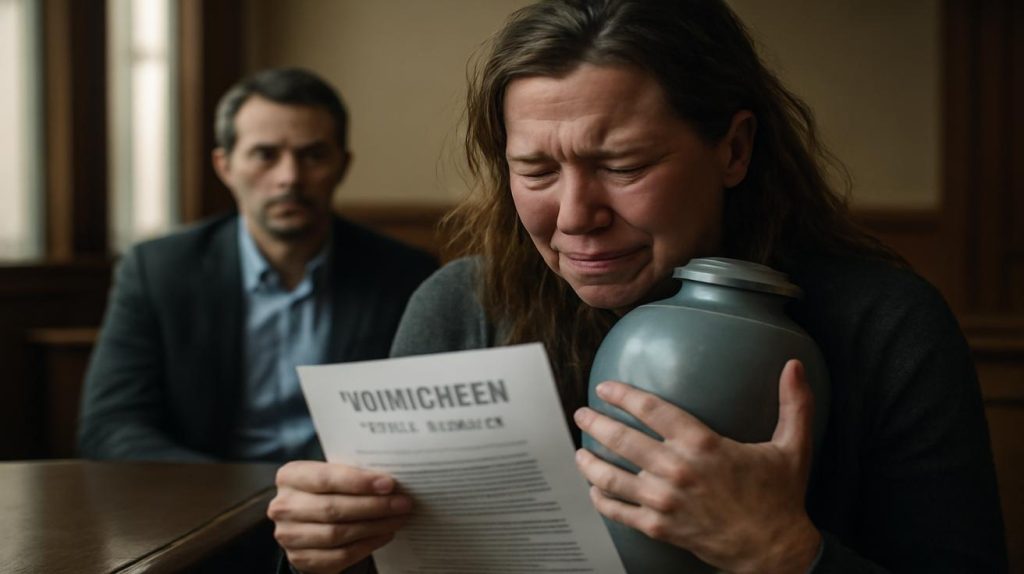
“I feel like I’m being told my whole life was wrong,” one 58-year-old executive told a therapist, according to reports within the mental health community. This sentiment has become remarkably common. The workplace achievements, the stable marriages, the children who turned out fine—are these evidence of resilience or evidence that they never truly dealt with what happened to them?
The Two Truths Problem
Here’s where the conversation gets genuinely complicated. Both things appear to be true simultaneously. Yes, people born in the 1960s and 1970s became more independent, more resilient, more able to tolerate hardship because of their childhoods. That’s measurable and real. They did overcome their circumstances in very real ways.
But also: yes, that same process likely came at a psychological cost. The emotional suppression that enabled their success may have left them unable to process grief, maintain intimacy, or experience contentment. The self-reliance that built empires may have also built walls between them and meaningful connection.
This generation occupies a strange liminal space—too old to have grown up with therapy-speak and emotional literacy, but young enough to live long enough to experience the consequences of emotional denial. They’re watching younger people discuss their childhood experiences with nuance and compassion, while their own experiences were never framed as worth examining in detail.
The Victimhood Question
Complicating this further is the generational resistance to being categorized as “victims.” For people raised to believe that dwelling on problems was indulgent, the idea of identifying as traumatized can feel like a betrayal of everything they learned about strength. There’s an almost moral resistance to it—as if acknowledging harm done to them is somehow an excuse-making gesture.
The tension here reflects a genuine philosophical disagreement. Is naming trauma a necessary step toward healing, or is it a cultural descent into victimhood narratives that absolve people of responsibility for their own lives? People born in this era often genuinely can’t tell.
What This Reveals About Generational Psychology
The struggle playing out within this demographic is ultimately revealing something important about how we understand human psychology across generations. It suggests that resilience and trauma aren’t opposites—they’re often two sides of the same adaptation. The mind is remarkably capable of developing workarounds. The question isn’t whether those workarounds worked. The question is what they prevented.
For some people born in the 1960s and 1970s, engaging with this reframing has been genuinely liberating. Understanding their patterns as protective mechanisms rather than character flaws has allowed them to develop different skills—emotional vulnerability, authentic rest, asking for support. They’ve integrated the best of their generation’s resilience with the self-compassion of newer psychological frameworks.
For others, the suggestion that their hard-won strength is actually untreated trauma feels like an insult. They survived fine. They’re fine. And perhaps they are—in many concrete ways. But “fine” and “whole” aren’t always the same thing.
A Generation Learning to Hold Complexity
What may ultimately define this generation isn’t their trauma or their resilience, but their capacity—late in life—to hold both truths simultaneously. They built real accomplishments through genuine strength. They also paid prices for the emotional unavailability of their childhood. Both are real. Neither negates the other.
The conversation about whether strength is trauma is perhaps less important than the recognition that this generation deserves to examine their own history without either glorifying it or being consumed by victimhood narratives. They can acknowledge cost without erasing achievement. They can name harm without surrendering agency.
In the end, the real strength of this generation may be their willingness to reconsider everything they thought they knew about themselves—and to do it without falling completely into either the hardness of their upbringing or the softness of contemporary therapeutic culture. That integration, awkward and uncertain as it is, might be where actual healing lives.







Leave a Comment