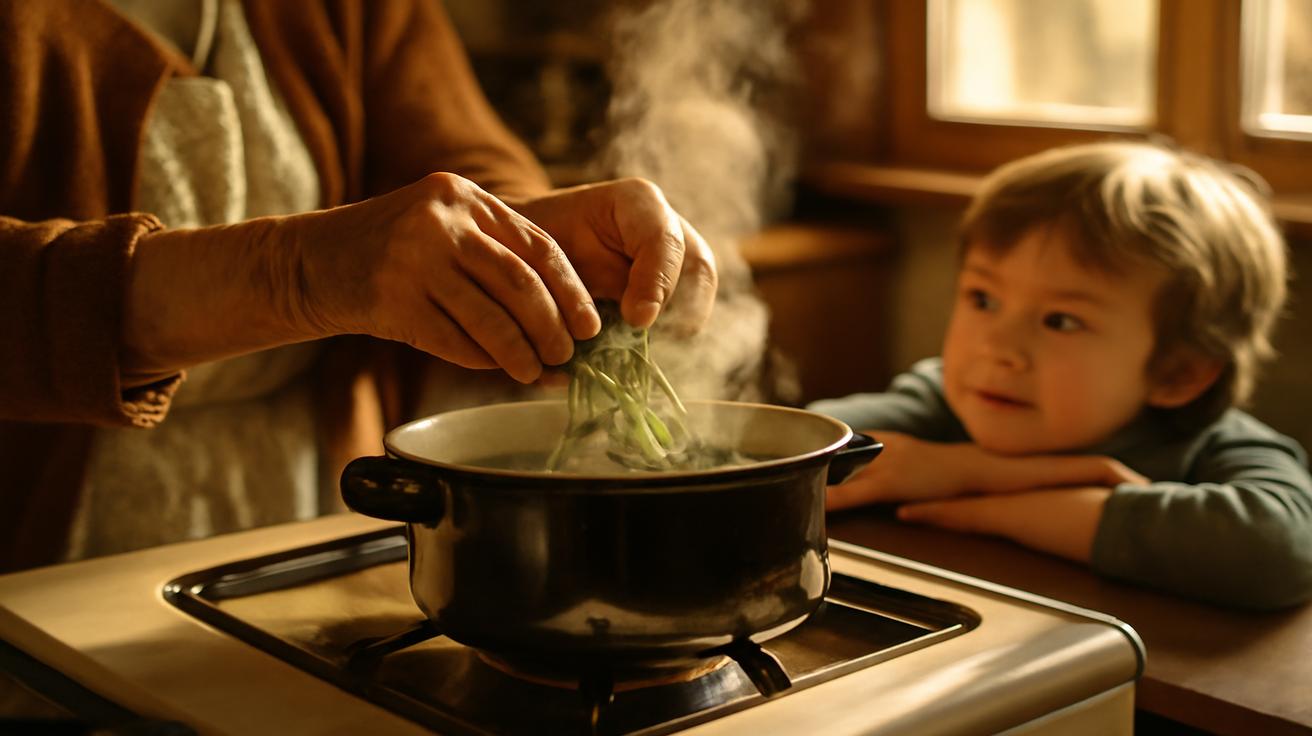
There exists a peculiar magic in the intersection of domesticity and natural wellness—a space where grandmothers’ wisdom meets modern understanding of air quality and psychological well-being. What was once considered merely a pleasant kitchen aroma has evolved into a recognized household practice backed by observations about environmental benefits and emotional responses. The simple act of heating water infused with aromatic botanicals represents one of history’s most accessible wellness interventions.


Understanding the Practice and Its Origins
The tradition of simmering fragrant plant material dates back centuries across multiple cultures. From European hearths to Mediterranean kitchens, households discovered that boiling certain herbs released properties that seemed to shift the entire character of a living space. What began as practical necessity—masking odors before modern ventilation—evolved into an intentional practice recognized for benefits extending far beyond simple scent masking.
Rosemary, with its distinctive woody and slightly camphoraceous profile, emerged as a particularly favored choice. Its popularity wasn’t arbitrary; the herb possesses volatile compounds that, when released through gentle heating, create an environment with measurable sensory and atmospheric qualities. Historical records suggest that medieval households kept pots simmering throughout autumn and winter months, treating the practice as essential household maintenance rather than luxury indulgence.
The resurgence of interest in this practice represents more than nostalgic appeal. Contemporary homeowners, increasingly aware of indoor air quality and seeking alternatives to synthetic fragrances, are returning to these traditional methods with fresh appreciation.
The Science Behind Atmospheric Transformation
When botanical material heats in water, several chemical processes occur simultaneously. Essential oils—concentrated aromatic compounds within plant tissues—vaporize and disperse throughout interior spaces. Unlike spray-based products that create momentary fragrance surges, simmering produces gradual, sustained release of these compounds into the air.
Research into indoor air quality has demonstrated that certain plant-derived volatile organic compounds (VOCs) interact with airborne particles and microorganisms. While not a replacement for mechanical air purification, this natural distribution of botanical compounds contributes meaningfully to perceived air freshness and environmental quality. The human olfactory system, remarkably sensitive, detects these subtle shifts immediately, triggering psychological and physiological responses.
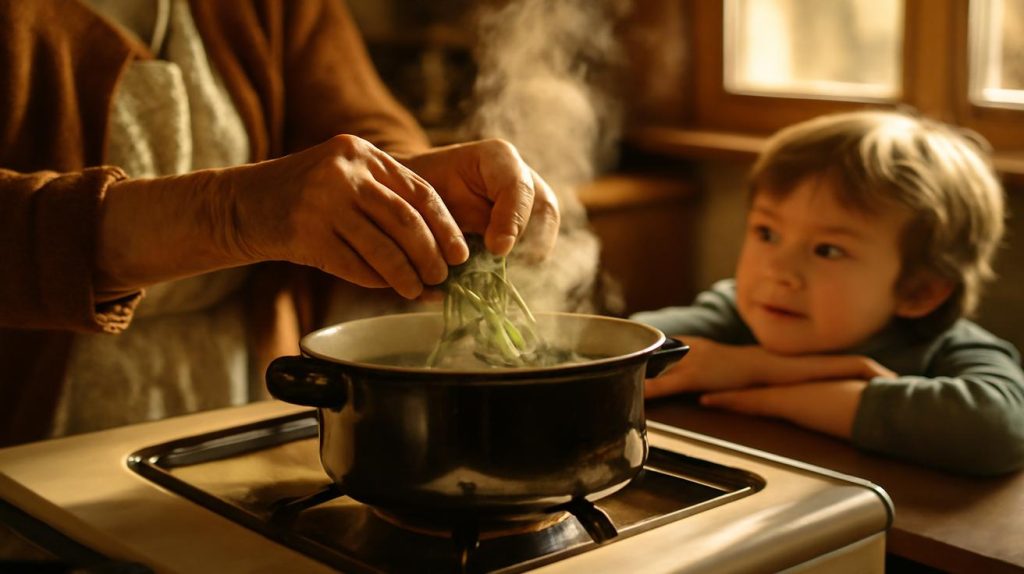
Temperature plays a critical role in this transformation. Unlike boiling aggressively, the optimal approach involves gentle simmering—maintaining water at temperatures between 160-180 degrees Fahrenheit. This slower release preserves the delicate botanical compounds while preventing degradation of beneficial properties through excessive heat. The practice requires minimal energy investment while producing extended atmospheric benefits.
The Physiological and Psychological Impact
The shift that occurs when herbs simmer on your stovetop involves more than olfactory pleasure. The practice engages multiple sensory systems simultaneously. Visual elements—the gentle steam rising, the soft vapor creating atmospheric diffusion—contribute to perceived environmental change. Auditory components, including the quiet bubbling and occasional kettle sounds, introduce subtle soundscaping that reduces harsh indoor noise.
Psychologically, the intentional act of preparing and maintaining a simmering pot creates ritualistic structure within daily routines. This deliberate engagement with one’s environment, researchers have noted, produces measurable improvements in perceived well-being. The practice demands presence—regular water additions, periodic attention, occasional herb refreshing—creating mindful interruptions throughout the day.
Specific botanical compounds in rosemary have demonstrated measurable effects on cognitive function and mood regulation. When inhaled, these compounds reach the olfactory bulb—a region of the brain directly connected to emotional processing centers. The resulting neurochemical responses can promote alertness, reduce mental fatigue, and create subtle mood elevation. Unlike pharmaceutical interventions, this mechanism operates through natural sensory pathways.
Practical Implementation and Best Practices
Beginning this practice requires minimal preparation or investment. A standard pot, fresh or dried herbs, water, and a reliable heat source constitute the complete toolkit. Fresh rosemary produces more vibrant results than dried alternatives, though either proves effective. Approximately one cup of loosely packed herb material per pot of water provides optimal concentration.
The recommended approach involves filling a pot with water, adding your chosen herbs, bringing the mixture to gentle simmer, then maintaining this temperature for 30-60 minutes. As water evaporates, incremental additions maintain the simmering action. This extended duration allows for sustained atmospheric distribution without requiring constant attention.
Timing considerations prove important. Morning simmering establishes positive environmental tone for the day ahead. Evening practice creates calming atmospheric shifts before sleep. Seasonal adjustments make sense—lighter simmering during warm months, more robust practice during winter when homes close against outdoor air.
Beyond Rosemary: Expanding Your Botanical Repertoire
While rosemary holds prominence in traditional practice, numerous botanical materials produce similarly transformative results. Lavender introduces calming qualities particularly suited to bedrooms and relaxation spaces. Mint varieties provide energizing, clarifying atmospheric effects ideal for workspaces. Lemon-based botanicals—lemon balm, lemon verbena—create uplifting environmental qualities associated with increased productivity.
Citrus peels, often discarded, offer remarkable simmering potential when combined with complementary herbs. Orange rind paired with cinnamon sticks creates festive, warming atmosphere. Ginger, either fresh or dried, produces invigorating sensory experiences particularly valued during colder seasons.
Experimentation with botanical combinations allows personalization based on individual preferences and seasonal considerations. Creating signature blends—your unique mixture of preferred herbs—transforms the practice into personal expression while producing environments distinctly reflective of individual household character.
The Environmental and Economic Advantages
This household practice aligns remarkably well with contemporary sustainability priorities. Utilizing fresh herbs from home gardens or dried materials from bulk suppliers eliminates packaging waste associated with commercial air freshening products. The practice requires no batteries, electricity beyond standard stovetop operation, or chemical processing.
Economic considerations prove compelling. A small amount of dried rosemary costs substantially less than synthetic fragrance products while delivering superior atmospheric benefits. Home gardeners benefit doubly—cultivating herbs for culinary purposes while simultaneously producing material for environmental enhancement.
Reconnecting with Household Traditions
The resurgence of interest in these traditional practices reflects broader cultural shifts toward intentional living and natural wellness approaches. As synthetic fragrances face increased scrutiny regarding air quality impacts, returning to grandmother’s methods represents both practical wisdom and philosophical realignment with natural living principles.
This simple practice bridges generational knowledge with contemporary understanding, demonstrating that effective household solutions often predate modern innovations by centuries. The quiet transformation that occurs when herbs simmer on your stove—the shifted atmosphere, the improved air quality, the subtle psychological uplift—represents accessible wellness available to anyone with basic kitchen equipment and botanical material.
Your grandmother may have simply enjoyed the pleasant aroma without fully articulating why the practice felt essential to maintaining healthy, pleasant indoor environments. Contemporary science now validates these intuitive household practices, confirming that some of history’s simplest solutions continue offering some of its most reliable results.











Leave a Comment