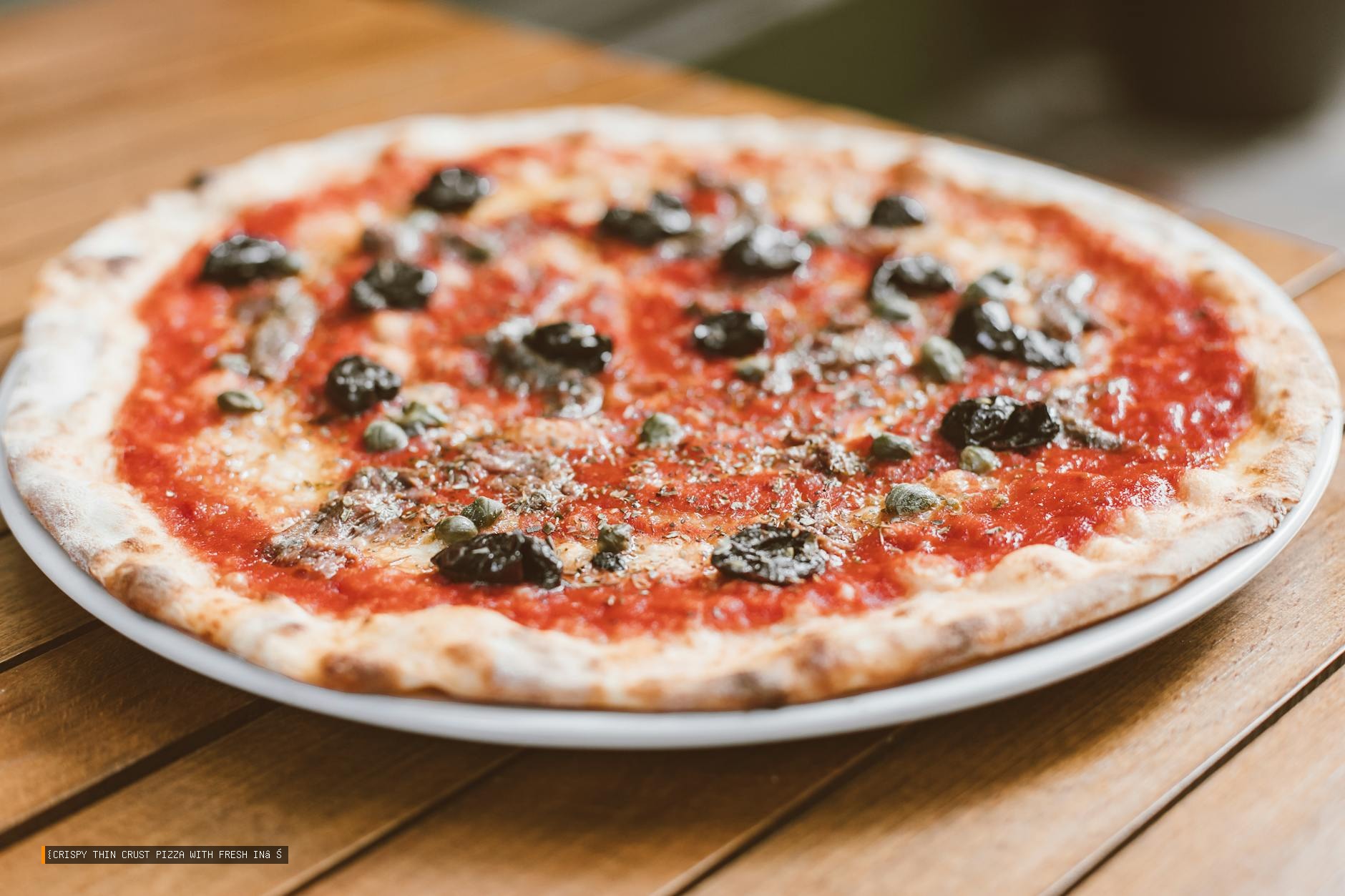
Rome’s food scene is experiencing a quiet revolution from an unexpected corner: a neighborhood pizzeria dedicated to ultrathin pizza Rome style and the once-forgotten calzone. Bassa Pizza Popolare represents a deliberate return to Roman pizza fundamentals, where technique and accessibility triumph over modern minimalism.


The Return to Roman Pizza Roots
Roman pizza has always occupied a unique position in Italian culinary tradition. Unlike its Neapolitan cousin with its puffy, structured dough, authentic Roman pizza prioritizes a thin, crispy base that serves as foundation rather than centerpiece. This distinction matters significantly to pizza historians and food anthropologists who recognize Rome’s pizza identity as fundamentally different from Naples.
Bassa Pizza Popolare emerges at a critical moment in Rome’s food culture. Over the past decade, the city’s dining landscape shifted toward artisanal slow-fermentation techniques and premium ingredient sourcing. While these developments elevated pizza quality overall, they inadvertently distanced Roman pizza from its working-class, neighborhood roots. This new establishment consciously rejects that trajectory.
The pizzeria’s philosophy centers on what proprietors call “accessible authenticity.” Rather than competing on ingredient rarity or fermentation duration, the focus remains on executing fundamental technique with precision and keeping prices reasonable for local residents.
What Makes Ultrathin Roman Pizza Distinctive
The texture profile of ultrathin Roman pizza requires specific understanding. Professional bakers measure successful dough at approximately 2-3 millimeters when fully topped and ready for the oven. This demands precise hydration levels, careful fermentation timing, and oven management that novice pizzamakers often underestimate.
Bassa’s approach emphasizes what Italian food experts call “friabilità”—the quality of being perfectly crispy throughout rather than soggy at the center or burnt at edges. Achieving this consistently across high-volume service represents legitimate technical achievement.
The Calzone Renaissance Nobody Expected
Perhaps most intriguingly, Bassa Pizza Popolare champions the calzone as a vehicle for culinary creativity. The calzone, a folded pizza construction dating to 18th-century Naples, largely disappeared from Roman dining culture over recent decades. Modern pizza culture prioritized open-faced presentations suitable for Instagram documentation, relegating the calzone to casual street food status.
This establishment reframes the calzone entirely. Rather than viewing it as an afterthought or casual variation, bakers treat calzones as serious expressions of flavor pairing and technique. Each version demonstrates intentional combination strategies rather than simple filling aggregation.
Reimagined Calzone Flavor Profiles
Available calzone varieties showcase unexpected sophistication. Rather than standard meat-and-cheese combinations, options feature integrated vegetables, careful protein layering, and sauce applications developed through testing. Some versions incorporate seasonal ingredient availability, changing the menu quarterly.
Food writers covering the opening noted that calzone preparation at Bassa requires longer cooking times than traditional pizza—typically 12-15 minutes versus 3-4 minutes for thin-crust offerings. This extended process allows internal temperatures to rise sufficiently while maintaining exterior crispness, a balance that distinguishes professional execution from casual preparation.
Neighborhood Authenticity in Modern Rome
Location selection reflects Bassa’s philosophical commitment. Rather than opening in Rome’s touristy historic center or trendy Testaccio district, the pizzeria operates in a residential peripheral neighborhood. This deliberate choice signals that the establishment serves local community members rather than visitors seeking “authentic Roman experiences.”
Pricing strategy reinforces this neighborhood focus. Pizza prices range from €3.50 to €6.50, positioning Bassa significantly below contemporary Roman pizzeria standards. This accessibility proves particularly meaningful in districts where young families and working professionals comprise the primary customer base.
“The calzone represents democratic pizza—it democratizes flavors and makes quality craftsmanship accessible to everyone regardless of culinary background or social positioning.” This philosophy guides every operational decision at Bassa Pizza Popolare.
Community-Driven Development
Management actively solicits customer input regarding flavor combinations and ingredient preferences. Rather than imposing a fixed menu, the pizzeria treats its offerings as evolving proposals subject to community feedback. This collaborative approach creates genuine neighborhood investment in the establishment’s success.
Staff training emphasizes conversational engagement with customers. Bakers and counter personnel explain the technical reasoning behind specific techniques, helping patrons understand why ultrathin Roman pizza requires particular oven temperatures or why calzone fermentation matters. This educational component distinguishes Bassa from purely transactional food service.
Technical Mastery Behind Simplicity
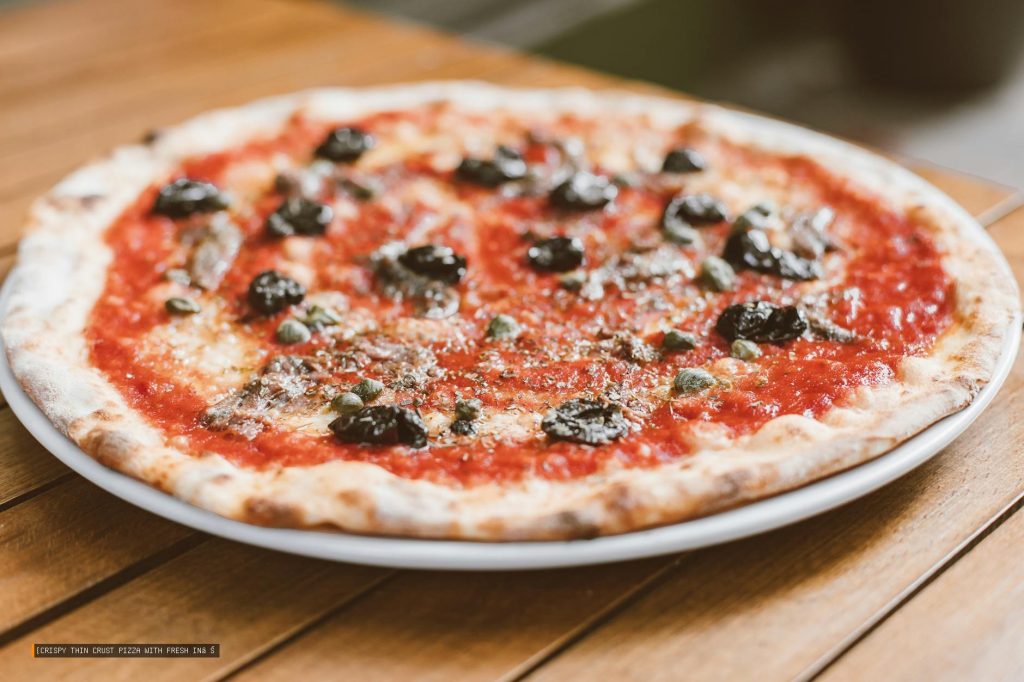
Achieving consistent quality with ultrathin pizza demands precision that casual observers might overlook. Dough hydration levels must account for seasonal humidity variations. Oven temperatures require constant monitoring—professional pizza ovens fluctuate significantly during service, requiring experienced judgment to maintain optimal baking conditions.
Bassa employs a 48-hour fermentation protocol that develops flavor complexity while maintaining dough extensibility necessary for thin stretching. This timeframe balances between minimal fermentation that produces bland results and extended fermentation that creates challenging handling characteristics.
Ingredient Selection and Supply Chain
- Flour sourced from specific Italian mills selected for protein composition suited to thin-crust production
- Water quality analyzed and adjusted for mineral content affecting dough development
- Tomatoes sourced from regional producers, selected for acidity levels compatible with quick baking times
- Cheese selections emphasize functional melting characteristics over rarity or premium pricing
- Seasonal ingredient rotation maintaining flexibility while ensuring consistent supply
This supply chain approach demonstrates that quality doesn’t require exotic ingredients. Instead, Bassa achieves excellence through understanding how basic ingredients perform under specific conditions and making informed selections based on technical requirements rather than marketing appeal.
The Broader Pizza Industry Context
Contemporary pizza culture increasingly fragments into specialized subcategories: Neapolitan revival establishments, Detroit-style rectangular variants, California-influenced gourmet interpretations, and neo-Napoletano fusion concepts. Within this crowded landscape, committed Roman-style pizzerias occupy surprisingly limited space.
Industry analysts attribute this gap to perception challenges. Roman pizza, lacking the international brand recognition of Neapolitan traditions, requires customer education. Many potential patrons lack familiarity with distinct characteristics that differentiate Roman from Neapolitan approaches, making marketing more challenging for Roman-focused establishments.
Bassa’s success—steady local following, positive word-of-mouth, media coverage—suggests growing appetite for authentic regional specificity over generic “Italian pizza” concepts.
Challenging Contemporary Trends
Several current pizza industry trends work against Bassa’s approach. The instagrammability factor—crucial for contemporary food business marketing—presents challenges. Ultrathin pizza photographs less dramatically than thick, cheese-laden, visually dominant presentations. Calzones, by definition, hide their interior appeal.
Premium positioning dominates high-end food media coverage. Stories emphasizing rare ingredients, complex fermentation techniques, or famous chef involvement generate disproportionate attention. A straightforward neighborhood pizzeria executing fundamental technique excellently rarely captures such coverage despite arguably demonstrating greater skill.

The Calzone’s Potential Comeback
Food trend analysis suggests that cyclical patterns govern culinary preferences. Elements dismissed as passé often experience revitalization when recontextualized. The calzone represents exactly this phenomenon—a genuinely delicious preparation method that fell from favor due to cultural factors rather than inherent culinary limitations.
Bassa positions itself as the establishment that rehabilitated the calzone’s reputation. By treating these preparations with technical seriousness equal to traditional pizza, the pizzeria implicitly argues that culinary worth shouldn’t depend on visual presentation or social media compatibility.
Consumer Psychology and Food Nostalgia
Consumer research indicates growing interest in “authentic” and “traditional” food experiences, particularly among younger demographics exposed to homogenized global food culture. Calzones represent authentic Italian working-class tradition—items prepared and consumed by regular people rather than culinary specialists or restaurant patrons.
This authenticity appeal resonates particularly strongly in response to earlier decades’ emphasis on culinary innovation and technique-forward cooking. Some cultural observers suggest that contemporary food culture oscillates between extreme modernism and romantic traditionalism, with current momentum favoring the latter.
Key Takeaways
- Bassa Pizza Popolare specializes in ultrathin Roman pizza and reimagined calzones, representing deliberate return to neighborhood pizza traditions
- Technical mastery enables paper-thin crusts (2-3mm) that achieve perfect crispness throughout, requiring precise dough hydration and fermentation management
- Accessible pricing (€3.50-€6.50) and peripheral neighborhood location prioritize community service over tourist-oriented positioning
- Calzone resurgence challenges contemporary food culture’s emphasis on visual presentation, positioning filled preparations as worthy culinary expressions
- The pizzeria exemplifies broader trend toward regional specificity and authentic technique in response to globalized food trends
Looking Forward: Sustainability of a Countertrend
Critical questions persist regarding whether Bassa’s approach represents sustainable business model or temporary novelty. The establishment faces genuine challenges: minimal social media appeal, limited capacity for expansion without compromising quality, modest profit margins from affordable pricing.
However, the pizzeria’s success metrics suggest viability. Consistent customer traffic, media attention from respected food publications, and visible neighborhood integration all indicate genuine community adoption rather than trendy moment.
Beyond commercial considerations, Bassa represents important cultural statement. The establishment demonstrates that contemporary food culture can support ventures prioritizing technical excellence, neighborhood authenticity, and accessibility over premium positioning. This philosophical stance carries significance extending beyond pizza into broader conversations about food’s proper role in daily life.
Bassa Pizza Popolare embodies a distinctive vision within Rome’s contemporary food landscape. Through dedicated focus on ultrathin pizza Rome traditions and calzone revival, the pizzeria challenges prevailing assumptions about what constitutes meaningful culinary contribution. The establishment proves that technical mastery, community commitment, and authentic regionalism can sustain successful food businesses without requiring premium pricing, exotic ingredients, or social media optimization. As Rome’s dining culture continues evolving, Bassa’s neighborhood pizzeria model offers compelling counterargument to dominant trends, suggesting space remains for straightforward excellence grounded in genuine tradition and genuine community service.











Leave a Comment