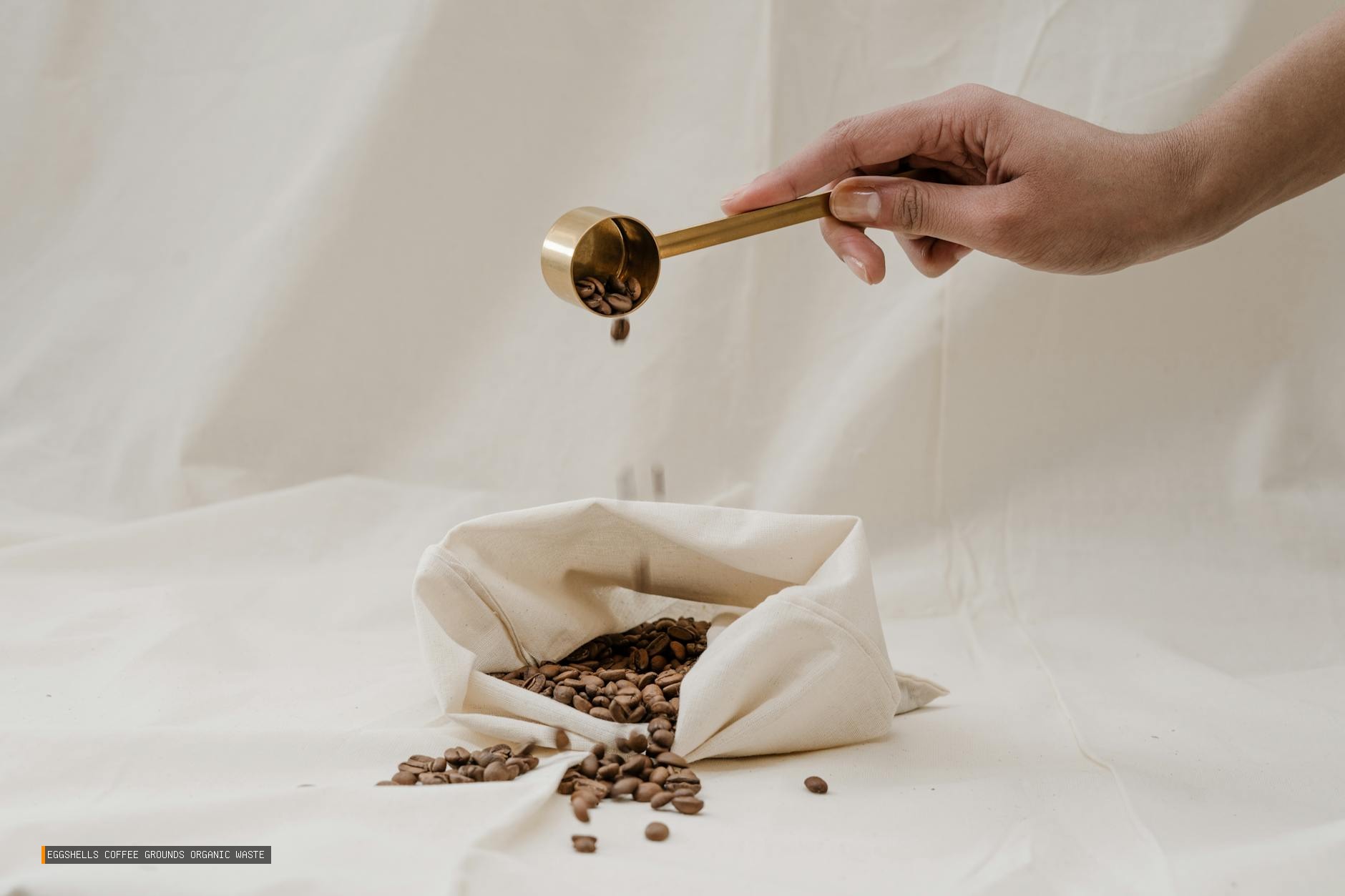
Kitchen Waste Your Plants Crave: Why Eggshells and Coffee Grounds Matter
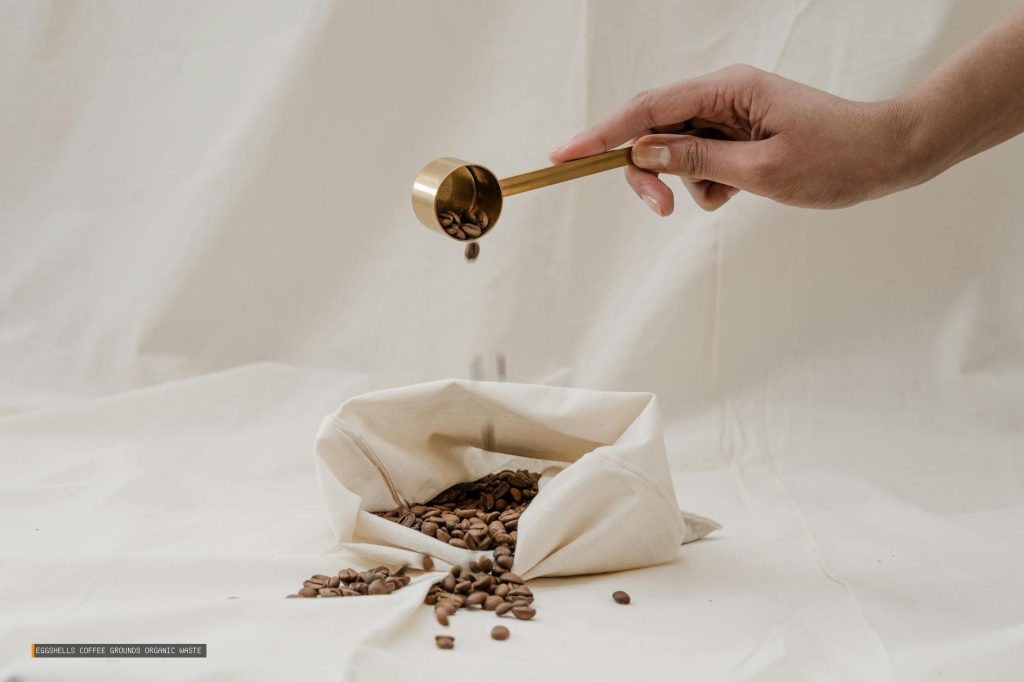
Every single day, kitchens around the world generate waste that could transform plant growth. Kitchen waste for plants represents an untapped resource sitting in trash bins—eggshells brimming with calcium, coffee grounds rich in nitrogen, and countless other organic materials that plants absorb readily. Understanding how to repurpose these everyday items creates a sustainable gardening system that costs nothing and delivers measurable results.


The Nutrient Powerhouses Hiding in Your Kitchen Trash
Eggshells contain approximately 2.2% calcium by weight, along with trace minerals like magnesium, potassium, and phosphorus. When plants lack adequate calcium, they develop blossom end rot, weak stems, and stunted growth. Coffee grounds deliver nitrogen—a critical macronutrient that fuels leafy green development and overall vigor. A single cup of used grounds contains about 0.1% nitrogen, which may seem modest until you consider that gardeners applying grounds regularly create a cumulative nutrient supply.
Banana peels contribute potassium, essential for flowering, fruit development, and disease resistance. Vegetable scraps—carrot tops, lettuce stems, herb trimmings—offer diverse micronutrients while improving soil structure as they decompose. These materials don’t require processing or purchasing; they emerge naturally from meal preparation.
Why Commercial Fertilizers Fall Short
Synthetic fertilizers provide immediate nutrient availability but deplete over time, requiring repeated applications. Organic kitchen waste releases nutrients slowly, matching plant uptake rates more closely. This gradual release prevents nutrient leaching and reduces environmental runoff. Additionally, decomposing organic matter feeds beneficial soil microbes—bacteria, fungi, and earthworms—that improve soil structure, water retention, and disease suppression naturally.
Understanding Plant-Available Nutrients
Plants absorb nutrients in specific forms. Calcium from eggshells becomes available as the shell degrades in soil, typically over weeks to months. Nitrogen from coffee grounds mobilizes quickly, especially in warm, moist conditions. Potassium from banana peels leaches into soil water relatively fast. This timing variation means combining multiple waste sources creates a balanced, extended nutrient supply throughout the growing season.
Preparing Kitchen Waste for Maximum Plant Benefit
Eggshells: Crushing and Composting
Rinse eggshells thoroughly to remove albumen residue, which attracts pests. Allow shells to dry completely—this step takes 24-48 hours and prevents mold growth. Crush dried shells into small fragments or powder using a blender, food processor, or mortar and pestle. Finer particles decompose faster and increase nutrient availability. Blend crushed shells directly into potting soil, scatter around established plants, or add to compost bins. Garden trials show that crushed eggshell application reduces blossom end rot in tomatoes by up to 60% when applied consistently.
Coffee Grounds: Fresh and Aged Applications
Fresh coffee grounds can clump and retain excessive moisture, potentially inhibiting microbial activity. Allow used grounds to dry on trays or in paper bags for 24 hours before application. Dried grounds distribute evenly across soil surfaces and integrate readily with existing mulch layers. Apply a thin layer—roughly one-quarter inch—around plant bases. Avoid direct contact with tender seedling stems. Aged grounds (stored 2-4 weeks) develop beneficial molds that enhance soil fungal populations, improving nutrient cycling and disease resistance.
Banana Peels and Other Citrus Waste
Chop banana peels into small segments and incorporate directly into soil or bury them 3-4 inches deep near plant root zones. Burial prevents pest attraction while potassium leaches gradually into surrounding soil. Orange peels, lemon rinds, and grapefruit skin contain limonene—a compound with mild fungicidal and insecticidal properties. Decomposed citrus waste subtly improves disease resistance while contributing micronutrients. Allow 2-3 weeks for visible decomposition before measuring effects.
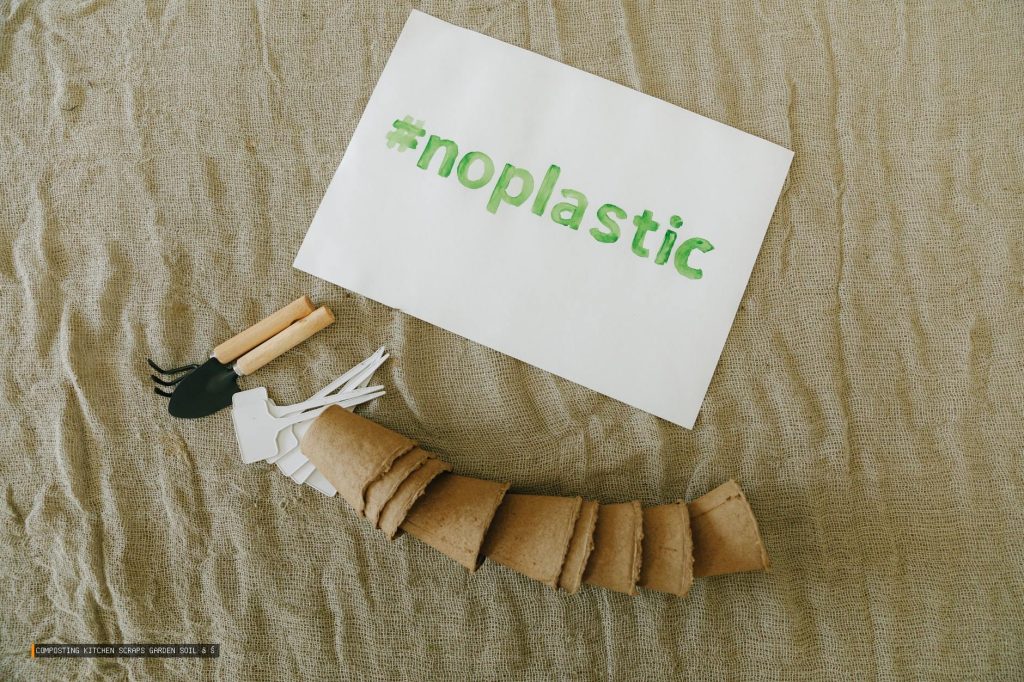
Building an Effective Compost System From Kitchen Waste
While direct application works effectively, composting kitchen waste creates a stabilized, balanced nutrient product. A basic three-bin system requires only wooden pallets or purchased frames. Layer brown materials (dried leaves, shredded paper, cardboard) with green materials (kitchen scraps, grass clippings, coffee grounds). Maintain moisture similar to a wrung-out sponge. Turn the pile weekly or allow 6-12 weeks for passive decomposition. Finished compost appears dark, crumbly, and earthy—indistinguishable from commercial products but significantly less expensive.
Troubleshooting Common Compost Issues
- Odor problems: Add dried brown materials to balance green waste. Excess nitrogen (from kitchen scraps and grass) creates ammonia smells. Increase carbon materials to resolve.
- Pest attraction: Bury food scraps beneath brown materials. Never compost meat, dairy, or oils—these attract rodents and create serious odors.
- Slow decomposition: Add coffee grounds and fresh grass clippings to accelerate microbial activity. Ensure adequate moisture and aeration through regular turning.
- Compaction: Turn piles more frequently. Poor aeration slows decomposition to 12+ months.
Real-World Results: What Plants Respond Best
High-Responders to Kitchen Waste Nutrients
Tomatoes, peppers, and squash show visible improvement within 4-6 weeks of consistent eggshell and banana peel application. Leafy greens—spinach, kale, lettuce—thrive with coffee ground amendments, developing deeper green coloration and larger leaf size. Roses and flowering shrubs respond dramatically to potassium from banana peels, producing more abundant blooms with extended flowering periods. Herbs like basil, oregano, and thyme demonstrate improved vigor and aromatic compound concentration when grown in amended soil.
Container Plants and Houseplants
Indoor plant enthusiasts can incorporate crushed eggshells and dried coffee grounds into potting mixes at planting time. Use a ratio of 85% standard potting soil, 10% crushed eggshells, and 5% aged coffee grounds. This mixture provides steady nutrient availability for 6-8 months without creating waterlogging issues. Repot annually or apply fish emulsion monthly as supplemental nutrition once initial amendments deplete.
Research from the University of Illinois demonstrates that gardens receiving organic kitchen waste amendments produce 15-25% higher yields compared to control gardens receiving no soil amendments, despite requiring zero financial investment.
Safety and Environmental Considerations
Kitchen waste for plants presents minimal risks when sourced correctly. Never compost or apply waste from treated wood, diseased plants, or pesticide-contaminated produce. Wash hands after handling to prevent bacterial contamination. If using grounds from commercial coffee sources, verify the coffee was grown without synthetic pesticides. Fair-trade and organic-certified coffee waste provides additional assurance.
Large-scale compost operations generate leachate—nutrient-rich liquid that can contaminate groundwater if improperly managed. Home gardeners should ensure compost bins sit on permeable surfaces or collect excess liquid in containers for dilution and reapplication as plant fertilizer.
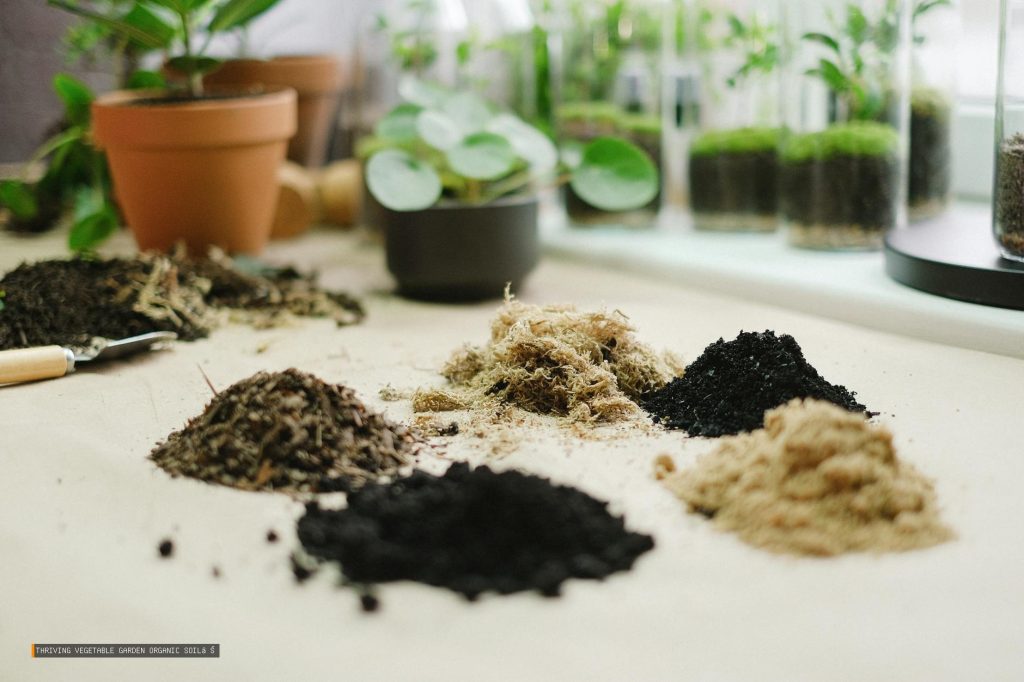
Scaling Up: Community and Urban Applications
Coffee shops, restaurants, and institutional kitchens generate enormous quantities of waste daily. Community gardens across North America increasingly partner with local businesses to collect grounds and vegetable scraps. Food waste recovery programs reduce landfill pressure while creating premium compost for public green spaces. Urban dwellers without yard space can participate through apartment composting systems, vermicomposting bins, or neighborhood compost collection programs.
Key Takeaways
- Eggshells, coffee grounds, and banana peels contain essential plant nutrients that rival commercial fertilizers in effectiveness
- Crushed eggshells reduce blossom end rot in tomatoes by up to 60% when applied consistently throughout the season
- Composting kitchen waste creates balanced nutrient products while reducing household landfill contributions by 20-30%
- Leafy greens, flowering plants, and fruit-bearing vegetables demonstrate visible improvement within 4-6 weeks of amendment application
- Direct soil application works immediately, while composting requires 6-12 weeks but produces more stable, storage-friendly products
Kitchen waste for plants transforms how gardeners approach soil health and sustainability. Rather than purchasing expensive synthetic fertilizers, homeowners possess nutrient-rich materials in eggshells, coffee grounds, and vegetable scraps—overlooked treasures that plants absorb readily. The evidence clearly demonstrates measurable growth improvements, reduced costs, and environmental benefits. Start collecting and preparing your kitchen waste today. Your plants will respond within weeks, and you’ll wonder why this simple practice isn’t universal.










Leave a Comment