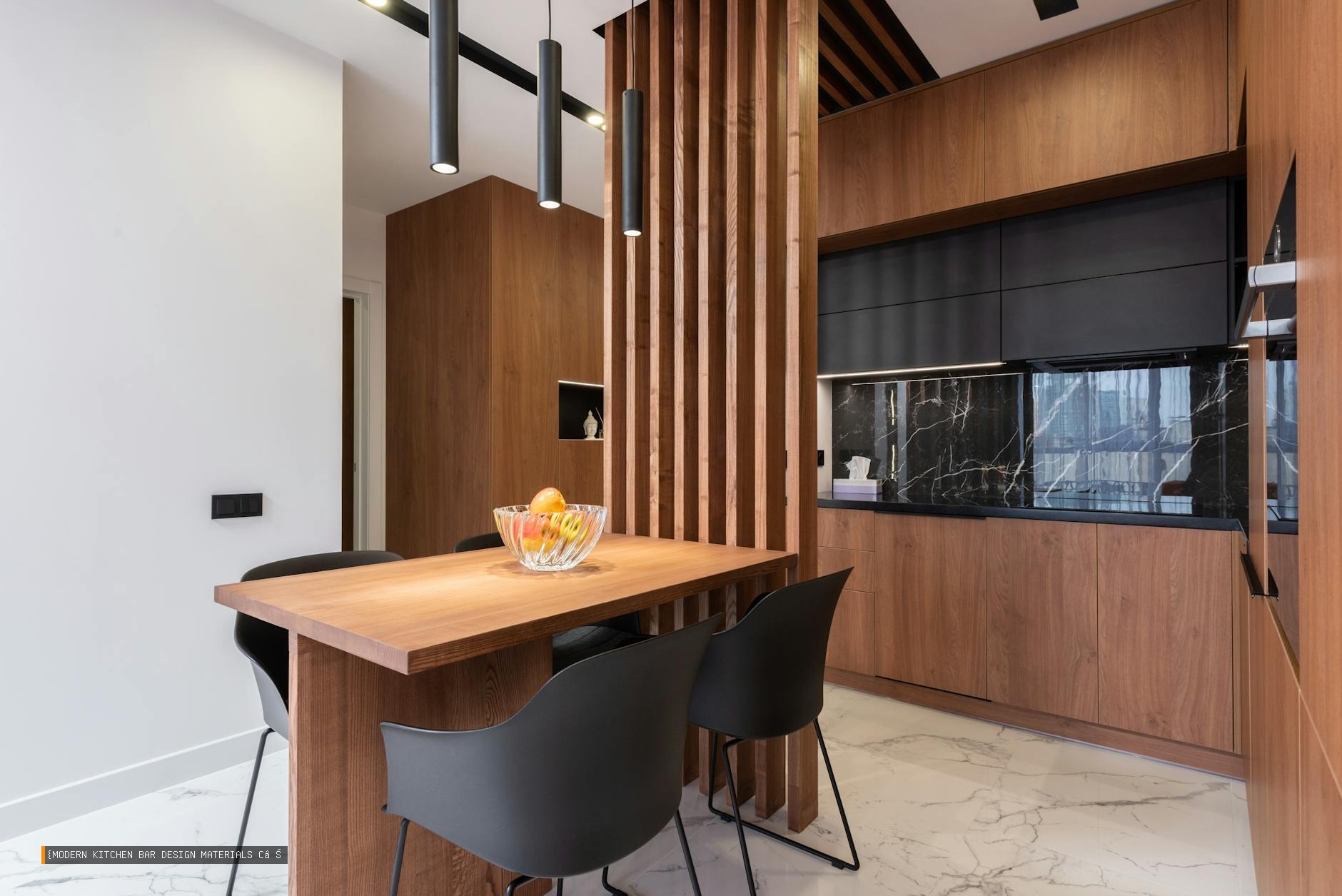
Kitchen bar and countertop material selection represents one of the most consequential decisions in modern kitchen design. While many homeowners assume matching these surfaces creates visual harmony, leading kitchen design experts argue this approach actually limits aesthetic potential and functional performance. Discover why contrasting kitchen bar materials offer superior design outcomes.

The Conventional Mistake: Why Matching Materials Disappoint
Kitchen designers frequently encounter homeowners who default to uniform surfaces across bars and countertops. This instinct stems from a desire for simplicity and cohesion. However, this approach often produces predictable, uninspiring kitchen environments that lack visual interest and depth. The reasoning behind this conventional wisdom rarely withstands professional scrutiny.
When identical materials span both zones, the kitchen loses visual separation and definition. The eye requires contrast to perceive distinct functional areas. A kitchen bar serves different purposes than primary work surfaces, yet matching materials blur these distinctions. Additionally, uniform surfaces create monotony that modern design principles actively discourage. Contemporary kitchen aesthetics demand layered visual experiences through strategic material variation.
Beyond aesthetics, identical materials often create practical challenges. Bar surfaces endure different usage patterns than cooking and preparation areas. They require different maintenance standards and durability requirements. Selecting materials based solely on visual matching, rather than functional demands, compromises long-term performance and satisfaction.
Superior Alternatives: Material Combinations That Elevate Kitchen Design
Wood and Stone Contrasts
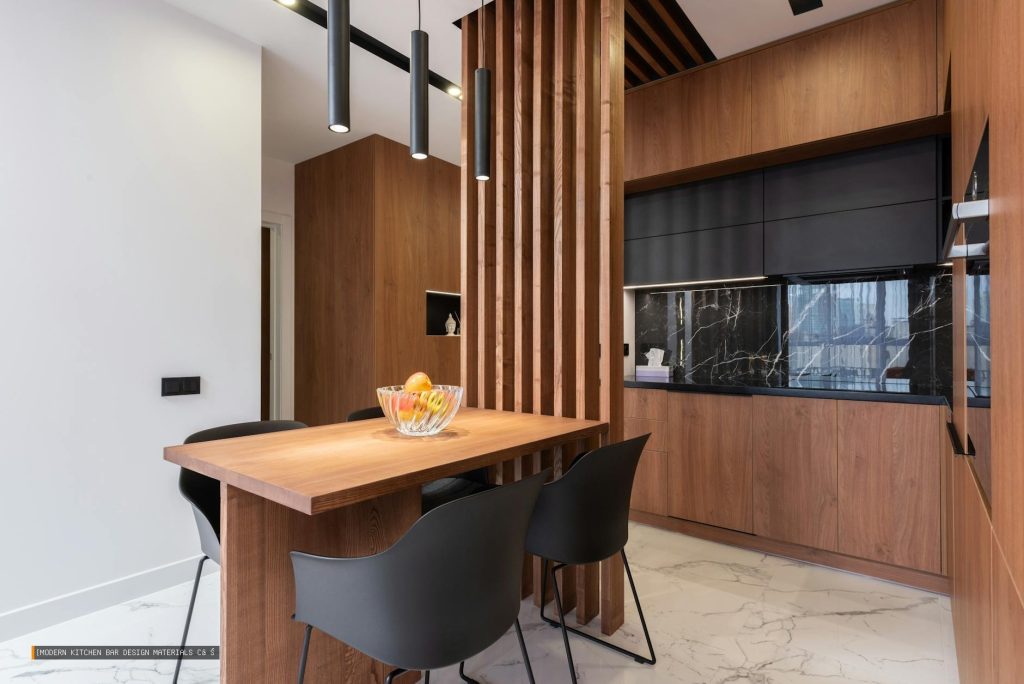
Pairing natural wood bar surfaces with stone countertops creates visual warmth and textural richness. Wood brings organic character and inviting ambiance to bar seating areas, while stone countertops provide the durability and professional aesthetic required for active cooking zones. This combination appeals to both traditional and contemporary design sensibilities. The contrast between warm wood tones and cool stone surfaces establishes visual hierarchy without jarring discontinuity.
Waterfall Islands with Contrasting Materials
Waterfall kitchen islands represent a modern design statement where vertical bar elements differ from horizontal countertop surfaces. Introducing contrasting materials here—such as sleek quartz countertops with textured brick or decorative tile bar sides—creates architectural interest. This approach transforms functional elements into design focal points that draw attention and admiration from visitors.
Metal and Concrete Combinations
Industrial-inspired kitchens benefit dramatically from metal bar frameworks paired with concrete or dark stone countertops. Steel or brass bar fronts introduce contemporary sophistication while concrete surfaces deliver practical durability. This pairing suits modern, minimalist, and industrial aesthetic preferences while ensuring each surface performs optimally for its intended purpose.
“Material contrast between kitchen bars and countertops isn’t just acceptable—it’s essential for sophisticated design. The most compelling kitchens employ deliberate surface variation to guide visual flow and establish functional clarity.”
Functional Considerations Beyond Aesthetics
Bar surfaces require different performance specifications than food preparation countertops. Bars prioritize comfort for seating, visual appeal for entertaining, and ease of cleaning for spill management. Countertops demand heat resistance, scratch resistance, and extensive durability under demanding culinary use. Selecting materials independently based on these distinct requirements rather than visual matching produces superior outcomes.
Moisture exposure differs significantly between zones. Cooking areas encounter condensation, spills, and temperature fluctuations. Bar areas face beverage condensation and occasional splashing. These varying conditions demand materials engineered specifically for each environment. Matching materials often compromise functionality by forcing identical specifications onto incompatible uses.
Popular Material Pairings for Modern Kitchens
- Granite countertops with wood bar fronts — Classic elegance with natural texture variation
- White quartz counters with dark marble bar sides — Dramatic contemporary contrast
- Butcher block bars with tile or stone countertops — Rustic warmth paired with practical durability
- Stainless steel bar elements with natural stone surfaces — Professional kitchen aesthetic
- Reclaimed wood bars with engineered quartz counters — Vintage character with modern performance
Design Psychology: Why Contrast Feels Right
Interior design research consistently demonstrates that visual variety enhances spatial perception and user satisfaction. Environments with intentional contrast appear more spacious, engaging, and thoughtfully designed. Kitchens benefit particularly from this principle since they function as both practical workspaces and social gathering zones. Material variation communicates design intention and sophistication to observers.
The human eye naturally gravitates toward contrast and variation. When kitchen bars feature distinct materials from countertops, visitors immediately perceive them as separate functional zones. This cognitive clarity enhances the kitchen’s usability and perceived value. Homeowners report greater satisfaction with kitchens featuring intentional material contrasting compared to uniform-surface kitchens.
Installation and Maintenance Benefits
Material-specific installation becomes simpler when bars and countertops employ different surfaces. Contractors can optimize installation methods for each material’s unique requirements. Sealing, finishing, and protective treatments apply directly to performance needs rather than compromising for visual uniformity. Long-term maintenance becomes more straightforward when each surface receives appropriate care protocols.
Cost Optimization Through Strategic Material Selection
Choosing distinct materials sometimes reduces overall project costs. Premium materials needn’t span entire kitchen surfaces. Expensive stone or specialty materials can concentrate on high-visibility bar areas while practical, durable alternatives serve work surfaces. This strategic allocation maximizes visual impact while controlling budget expenditures. Homeowners achieve luxury aesthetics at moderate price points through intelligent material selection.
Trending Material Combinations for 2024 and Beyond
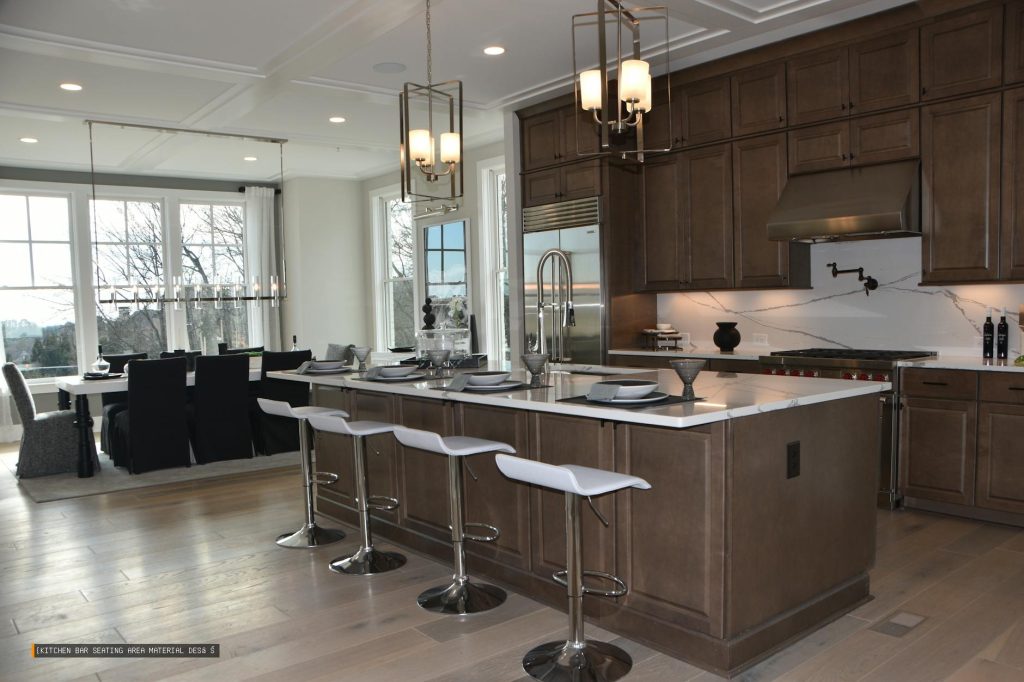
Contemporary kitchen design currently favors high-contrast material pairings. Matte black bar elements contrast with warm wood or light stone countertops. Textured surfaces—such as fluted or ribbed materials—pair with smooth countertop finishes. These combinations reflect broader design movements toward tactile, visually complex environments that reward closer observation and appreciation.
Sustainable material choices increasingly influence pairings. Reclaimed wood bars pair beautifully with eco-friendly quartz or recycled glass countertops. These combinations satisfy both aesthetic and environmental values, appealing to conscientious homeowners who consider design impact alongside visual preferences.
Implementation Strategy: Planning Your Kitchen Bar Design
- Assess your kitchen’s overall design aesthetic and color palette
- Identify the bar’s primary function—entertaining, casual dining, or workspace extension
- Evaluate material durability requirements specific to each zone
- Consider lighting effects on different material surfaces
- Review maintenance requirements and commit to realistic upkeep standards
- Examine material samples in your actual kitchen lighting conditions
- Consult with experienced kitchen designers about proven pairings
Key Takeaways
- Matching kitchen bar and countertop materials creates visual monotony and functional compromises
- Material contrast establishes visual hierarchy and emphasizes distinct kitchen zones
- Each surface requires materials engineered for its specific functional demands
- Strategic contrasting combinations enhance design sophistication and perceived value
- Professional material pairing balances aesthetics, functionality, and budget considerations
Kitchen bar and countertop design success depends on thoughtful material selection that honors both aesthetic vision and functional requirements. Rather than defaulting to matching surfaces, sophisticated homeowners and designers recognize that contrasting kitchen bar materials create superior visual outcomes, improved functionality, and greater long-term satisfaction. The most compelling modern kitchens deliberately employ material variation to establish design clarity and visual interest. Begin your kitchen renovation by questioning conventional assumptions and exploring material combinations that align with your specific needs and design aspirations.










Leave a Comment