
Have you ever experienced a sudden, involuntary muscle twitch just as you were falling asleep? These jarring sensations—known as hypnic jerks or sleep starts—are among the most common phenomena affecting sleep quality worldwide. Understanding what causes these nocturnal muscle contractions can help you reclaim peaceful, uninterrupted rest.


Understanding Hypnic Jerks and Sleep Spasms
Hypnic jerks are involuntary muscle contractions that occur during the transition between wakefulness and sleep. The medical term for this phenomenon is hypnagogic myoclonia, referring to the sudden, jerky movements that jolt your body just as consciousness fades. These spasms typically last only a fraction of a second but can feel startling enough to fully awaken you.
The experience varies widely among individuals. Some people report a single, subtle twitch in their leg or arm, while others describe a full-body jerk that feels like they’re falling. The sensation is often accompanied by a flash of dream imagery or the sensation of suddenly losing balance, reinforcing that disorienting feeling.
What distinguishes hypnic jerks from other sleep disorders is their timing and benign nature. Unlike sleep disorders that cause ongoing disruption or pain, hypnic jerks occur sporadically during the sleep onset phase. They’re completely involuntary, painless, and generally harmless—though undeniably annoying for those trying to achieve quality rest.
The Difference Between Hypnic Jerks and Muscle Cramps
While hypnic jerks and nocturnal muscle cramps both occur near bedtime, they represent distinct phenomena. Hypnic jerks are spontaneous, involuntary muscle contractions lasting milliseconds. Nocturnal cramps, by contrast, are sustained muscle tightening that can persist for several seconds or minutes, often accompanied by localized pain and visible muscle hardening.
Cramps typically affect specific muscles—commonly the calf, foot, or thigh—and create a painful sensation that demands attention. Hypnic jerks, however, rarely cause pain and are usually forgotten immediately if they don’t wake you. Understanding this distinction helps identify which sleep issue you’re experiencing and guides appropriate interventions.
Why Hypnic Jerks Occur: The Science Behind Sleep Starts
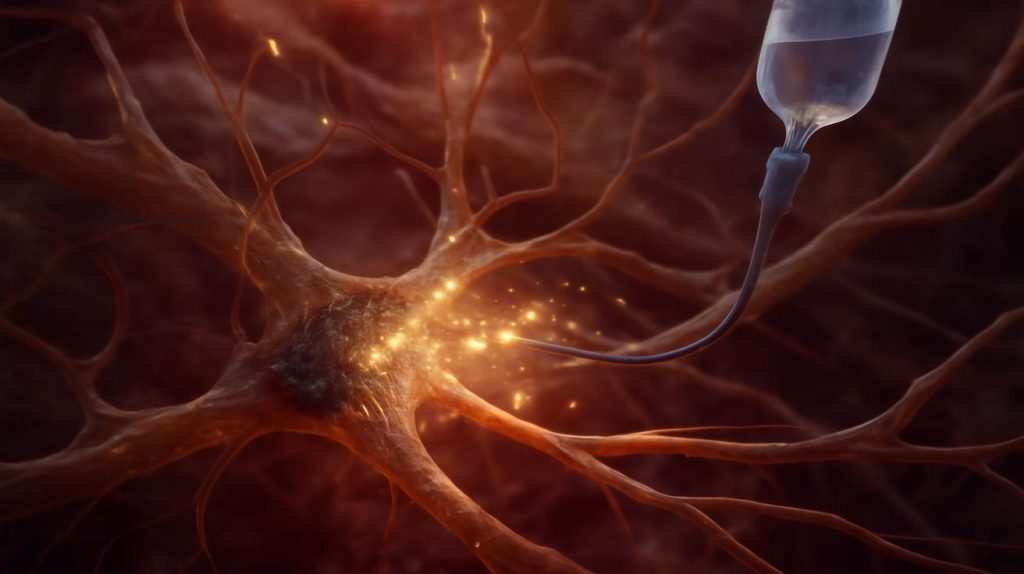
The exact neurological mechanism triggering hypnic jerks remains partially mysterious, but researchers have identified several contributing factors. One leading theory involves the reticular activating system—the brain region responsible for maintaining wakefulness. During sleep onset, as this system powers down, occasional misfiring can trigger muscle contractions.
Another prominent hypothesis links hypnic jerks to evolutionary survival mechanisms. According to this theory, our ancestors’ brains may have developed a protective reflex to prevent falling while sleeping in trees. When the brain detects the body relaxing into sleep, it sends a jolt to verify you’re still stable—a vestigial response that persists in modern humans despite its lack of practical value.
Neurotransmitter imbalances also play a role. During sleep transitions, the brain shifts from serotonin and norepinephrine dominance to increasing melatonin production. These chemical fluctuations can occasionally misfire in motor control centers, resulting in involuntary muscle activation. The transition itself represents a vulnerable period where neural systems aren’t yet fully synchronized.
The Role of Sleep Stages
Hypnic jerks occur specifically during the transition from wakefulness to non-REM (NREM) sleep, typically within the first 10-20 minutes of sleep onset. This timing correlates with the body’s progressive muscle relaxation and decreasing consciousness. As your brain waves shift from beta to theta frequencies, the conditions become optimal for these neurological misfires to manifest.
Common Risk Factors and Triggers
Certain conditions and lifestyle factors significantly increase the likelihood of experiencing hypnic jerks. Identifying your personal risk factors enables targeted intervention before sleep issues escalate.
- Caffeine consumption: High intake, particularly within 6 hours of bedtime, elevates neural excitability and muscle tension
- Sleep deprivation: Accumulated sleep debt intensifies hypnic jerks as your brain becomes hyperalert during sleep onset
- Stress and anxiety: Elevated cortisol levels increase muscle tension and nervous system activation
- Physical exercise: Intense workouts performed late in the evening can leave muscles in a heightened state of readiness
- Alcohol consumption: While alcohol may promote initial drowsiness, it disrupts sleep quality and increases nocturnal spasms
Research indicates that approximately 70% of the population experiences hypnic jerks occasionally, making them among the most prevalent sleep-related phenomena. Frequent sufferers often report correlation with high-stress periods, suggesting a strong psychosomatic component.
Medical Conditions Associated with Increased Frequency
Certain health conditions predispose individuals toward more frequent nocturnal muscle contractions. Sleep apnea, restless leg syndrome, and periodic limb movement disorder all share overlapping neural mechanisms with hypnic jerks. Additionally, anxiety disorders, attention deficit hyperactivity disorder (ADHD), and some neurological conditions increase susceptibility.
Medication side effects warrant consideration as well. Stimulant medications, some antidepressants, and corticosteroids can trigger or exacerbate hypnic jerks. If you’ve noticed increased episodes coinciding with new medication, discussing this pattern with your healthcare provider becomes essential.

The Impact on Sleep Quality and Overall Wellness
While hypnic jerks themselves pose no medical danger, their psychological impact on sleep quality shouldn’t be dismissed. For sensitive sleepers, even occasional jerks disrupt the sleep onset process, preventing the brain from achieving the relaxation necessary for deep rest. This creates a frustrating cycle where anticipatory anxiety about jerks increases nervous system activation, making jerks more likely.
Chronic sleep disruption from frequent hypnic jerks accumulates over time. Fragmented sleep reduces deep sleep duration, impacting cognitive function, immune response, and emotional regulation. People experiencing nightly jerks often report morning fatigue, difficulty concentrating, and increased irritability—symptoms that extend throughout their waking hours.
The psychological toll includes anticipatory anxiety about bedtime itself. Some individuals develop mild sleep anxiety, where the expectation of jerks creates tension that actually triggers more episodes. Breaking this cycle requires both physiological interventions and psychological resilience.
Practical Strategies to Reduce Hypnic Jerks and Night Cramps
Multiple evidence-based approaches can significantly reduce hypnic jerks and nocturnal muscle cramps. The most effective strategy typically combines several complementary techniques tailored to your lifestyle and specific triggers.
- Establish consistent sleep schedules: Maintaining regular bedtimes and wake times stabilizes circadian rhythm and reduces overall sleep disruption
- Limit stimulants strategically: Eliminate caffeine intake after 2 PM and reduce overall daily consumption if jerks persist
- Practice progressive muscle relaxation: Systematically tensing and releasing muscle groups trains your nervous system to release tension intentionally
- Incorporate gentle stretching: Evening hamstring, calf, and hip flexor stretches reduce muscle tension and cramp likelihood
- Optimize bedroom environment: Cool temperatures (60-67°F), darkness, and quiet conditions minimize sleep disruption from jerks when they occur
- Manage stress proactively: Daily meditation, yoga, or breathing exercises lower baseline cortisol and nervous system hypervigilance
Dietary Considerations and Supplementation
Nutritional factors influence muscle function and nervous system stability. Magnesium deficiency correlates strongly with nocturnal cramps and muscle hyperexcitability. While supplementation isn’t universally necessary, individuals with confirmed deficiencies often experience significant relief with targeted magnesium glycinate or threonate supplementation.
Maintaining consistent hydration throughout the day prevents electrolyte imbalances that contribute to cramping. Conversely, excessive fluid intake immediately before bed disrupts sleep quality. Balancing hydration timing—emphasizing adequate water throughout the day while limiting intake one hour before sleep—supports both muscle function and sleep continuity.
When to Seek Professional Medical Guidance
Most hypnic jerks require no medical intervention and resolve through lifestyle modification alone. However, specific circumstances warrant professional evaluation. If jerks occur nightly with increasing intensity, prevent sleep initiation consistently, or accompany other sleep disturbances, consulting a sleep medicine specialist becomes advisable.
Additionally, if jerks suddenly increase in frequency after stable periods, or if you notice accompanying symptoms like daytime leg discomfort, numbness, or weakness, medical evaluation helps rule out underlying neurological conditions. Sleep studies can objectively assess sleep quality and identify coinciding disorders requiring specialized treatment.

Creating Your Personalized Sleep Improvement Plan
Addressing hypnic jerks effectively requires individualized approaches recognizing that different triggers affect different people. Begin by tracking your jerks—noting frequency, timing, preceding activities, caffeine intake, and stress levels. This data reveals patterns unique to your situation, guiding targeted interventions.
Start with the lowest-friction changes: consistent sleep schedules, caffeine elimination, and bedroom optimization. These modifications cost nothing and create immediate benefits beyond reducing jerks. Only if jerks persist after two to three weeks of consistent lifestyle changes should you consider supplementation or professional consultation.
Key Takeaways
- Hypnic jerks are involuntary muscle contractions during sleep onset, occurring in approximately 70% of people occasionally—they’re benign and extremely common
- Sleep deprivation, caffeine consumption, stress, and late-evening exercise represent primary modifiable triggers worth addressing first
- Establishing consistent sleep schedules and practicing relaxation techniques often resolve frequent jerks without requiring medical intervention
- Nocturnal muscle cramps differ from hypnic jerks in duration and pain intensity; both respond to magnesium, hydration, and stretching strategies
- Professional evaluation becomes necessary only if jerks prevent sleep consistently or accompany other neurological symptoms
Hypnic jerks and nocturnal muscle cramps represent common sleep phenomena that, while occasionally disruptive, respond effectively to targeted lifestyle modifications. By understanding the mechanisms underlying these involuntary contractions and implementing personalized prevention strategies, you can transition to sleep more smoothly and enjoy deeper, more restorative rest. Most people successfully reduce or eliminate hypnic jerks through consistent attention to sleep hygiene, stress management, and nutritional balance—creating the peaceful sleep experience everyone deserves.








Leave a Comment