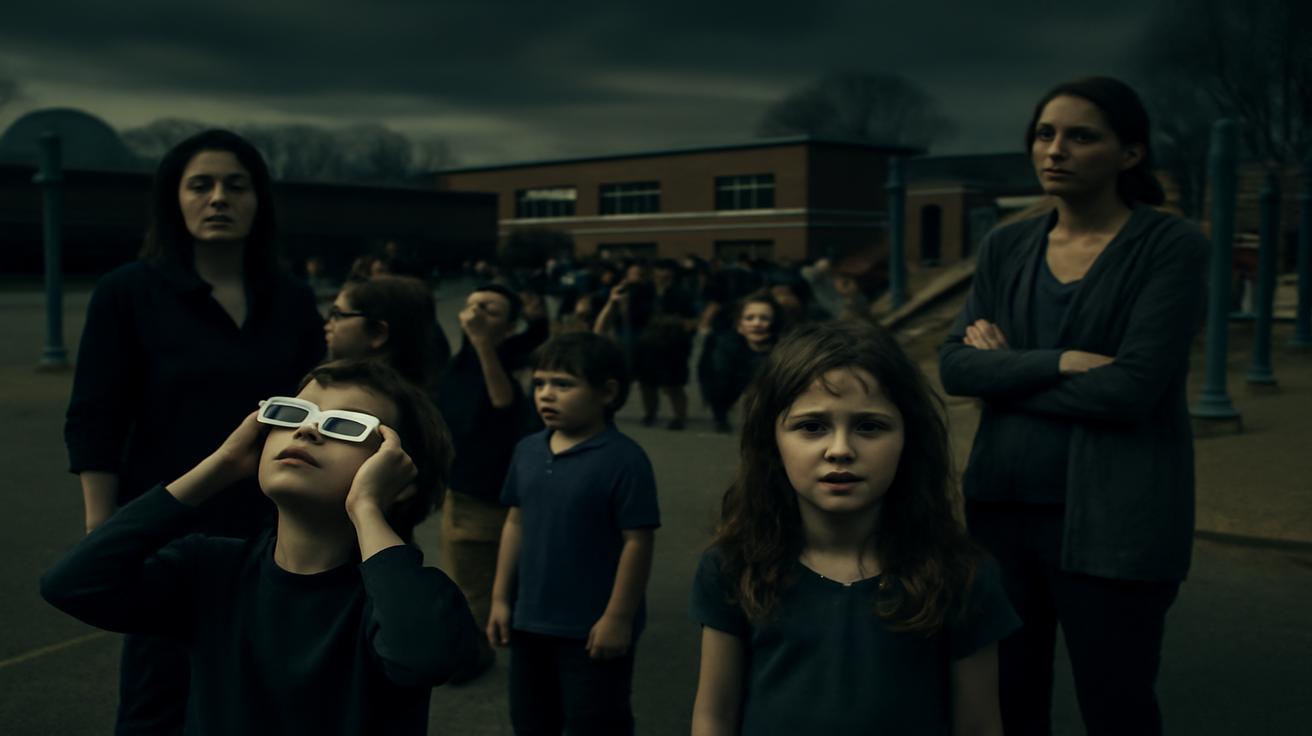
The astronomical event that will captivate millions is forcing school administrators into an unexpected spotlight. With darkness expected to fall across swaths of the country in broad daylight, district leaders are grappling with a decision that has no clear precedent in modern education: whether to shut down operations entirely or implement specialized protocols to manage student supervision during the phenomenon.

The Administrative Predicament
School districts have begun receiving inquiries from parents, staff, and community members demanding clarity on their eclipse-day plans. The question seems straightforward on the surface—what will students and teachers be doing when the moon passes between Earth and the sun?—but the answer involves intricate considerations spanning liability, educational opportunity, and basic logistics.
Some districts have announced full closures, citing the unusual nature of the event and the potential for chaos if proper supervision cannot be guaranteed. Others have drafted detailed protocols allowing students to remain on campus with structured viewing activities. Still others have announced hybrid approaches, permitting attendance while implementing mandatory indoor instruction for younger grades.
The variability in responses has created confusion among families. In neighboring districts within the same metropolitan area, children might experience vastly different treatment of the same day. This inconsistency has fueled frustration among parents who feel kept in the dark about decision-making processes.
Safety Concerns Dominate the Conversation
Behind the administrative deliberation lie legitimate safety questions that lack easy answers. Eye damage from unprotected viewing remains a primary concern. School nurses and district health officers have emphasized that permanent vision impairment can occur in seconds without proper eye protection.
Yet the complications extend beyond ocular safety. Some parents worry about the psychological impact of sudden darkness during school hours on younger children. Others question whether districts have adequate supplies of certified eclipse glasses for all students, or if they should rely on indoor alternatives.
Transportation poses another challenge. Students riding buses during peak eclipse moments face supervisory gaps that some administrators find unacceptable. The timing of the event—occurring during standard school hours—means that dismissal, arrival, and regular transitions cannot avoid the astronomical occurrence.
Physical plant considerations add another layer. Buildings with extensive windows, outdoor areas, and open spaces create supervision challenges. Athletic practices, outdoor education programs, and lunch periods all carry unique risks during the eclipse window.
The Parent Perspective
Parents have organized informally through social media groups and email chains, sharing concerns and demanding transparent communication from their school boards. Some express frustration that their children might miss an educational opportunity of a lifetime. Others argue that closure represents unnecessary capitulation to anxiety.
One mother from a suburban district explained her frustration: “I understand caution, but my teenager is old enough to understand eclipse safety. Why are we treating this like a weather emergency? The school can teach about this incredible event instead of canceling.”
Conversely, other parents have advocated vigorously for closures. They contend that managing thousands of students during an unusual celestial event introduces unacceptable risks. Without certainty that every student will follow viewing protocols correctly, they argue, schools cannot guarantee safety.
Disabilities advocates have raised additional considerations. Students with sensory processing disorders, anxiety conditions, or intellectual disabilities may struggle with the unusual sensory experience. Some parents of special needs children have requested that their districts commit to keeping those students in secure, familiar environments during peak eclipse hours.
Educational Value Versus Risk Mitigation
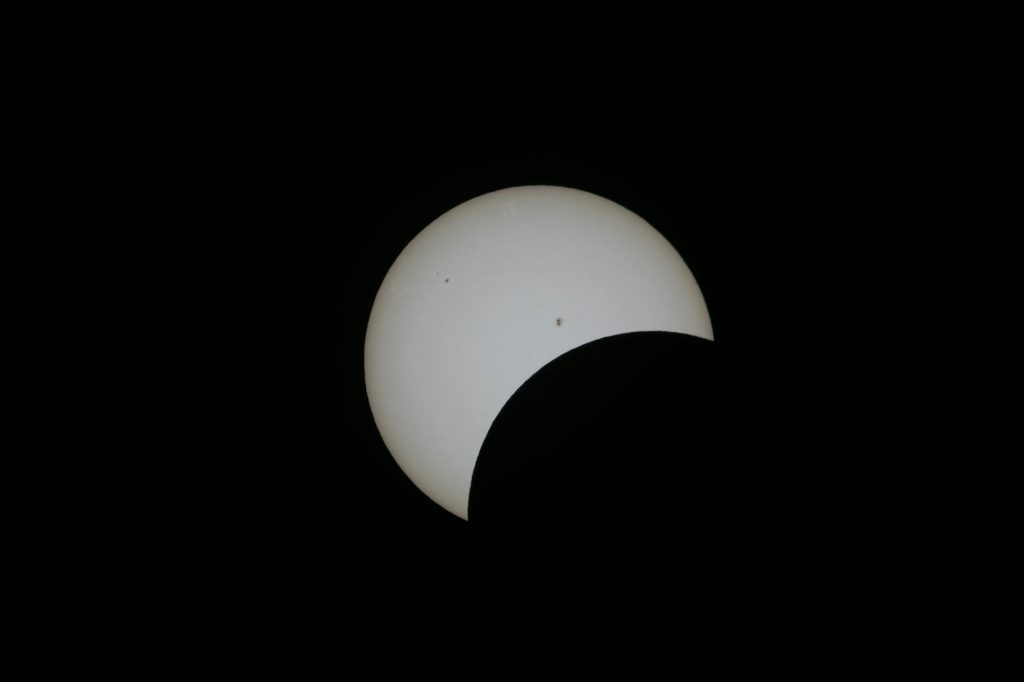
Science educators have weighed in on the debate, many expressing dismay at the prospect of missed educational opportunities. A total solar eclipse is a rare event—many individuals will never witness one. Educators argue that experiencing the eclipse firsthand, under proper supervision, provides unparalleled learning value that cannot be replicated through videos or simulations.
“We’ve designed comprehensive lesson plans around this event,” explained a high school physics teacher in an interview. “Students will understand concepts like solar radiation, atmospheric effects, and planetary motion through direct observation. A closure feels like abandoning a profound teaching moment.”
However, risk management professionals counter that education cannot be the primary consideration during an event with clear safety hazards. They point to existing guidelines suggesting that organized viewing, with proper equipment and supervision, is acceptable—but only under tightly controlled conditions that busy schools may struggle to maintain.
Precedent and Uncertainty
Part of the challenge stems from the rarity of this situation. The last total solar eclipse visible across the continental United States occurred in 1979, before most current administrators held their positions. Documentation of how schools handled that event exists in archives but offers limited guidance for modern circumstances with different technology, different student populations, and different liability frameworks.
Insurance companies have offered limited guidance. Most have not issued blanket prohibitions against eclipse viewing, but have emphasized district liability if improper viewing causes injury. This legal uncertainty has influenced some districts toward closure as the safest legal position.
Community Division
The eclipse question has become surprisingly divisive in some communities. School board meetings scheduled to discuss closure decisions have drawn record attendance. Parents on opposing sides have presented competing petitions, testified emotionally about their positions, and demanded accountability from administrators.
Some community members have criticized school closures as excessive, comparing the eclipse to other rare natural phenomena that schools routinely manage. Others have characterized opposition to closure as reckless endangerment of children. The intensity of feeling suggests that the eclipse decision has become symbolic of broader concerns about school administration, risk tolerance, and parent voice in institutional decision-making.
Moving Forward
As the eclipse date approaches, more districts have announced their final decisions. Some have committed to selective closures, others to structured viewing, and still others to normal operations with supplementary precautions. The diversity of approaches reflects the genuine complexity of the situation.
What remains clear is that schools have struggled to find a response that satisfies all stakeholders. The eclipse will occur on the scheduled day, regardless of district decisions. Students across the country will experience something extraordinary, whether through organized educational programming, supervised campus viewing, independent observation at home, or normal classroom instruction indoors.
For educators and administrators, the eclipse represents an unusual challenge: managing the intersection of genuine risk, educational value, community expectation, and institutional responsibility. Their responses will likely influence how schools approach other rare natural phenomena in the future, establishing precedent for balancing wonder against worry when the heavens offer something remarkable to behold.








Leave a Comment