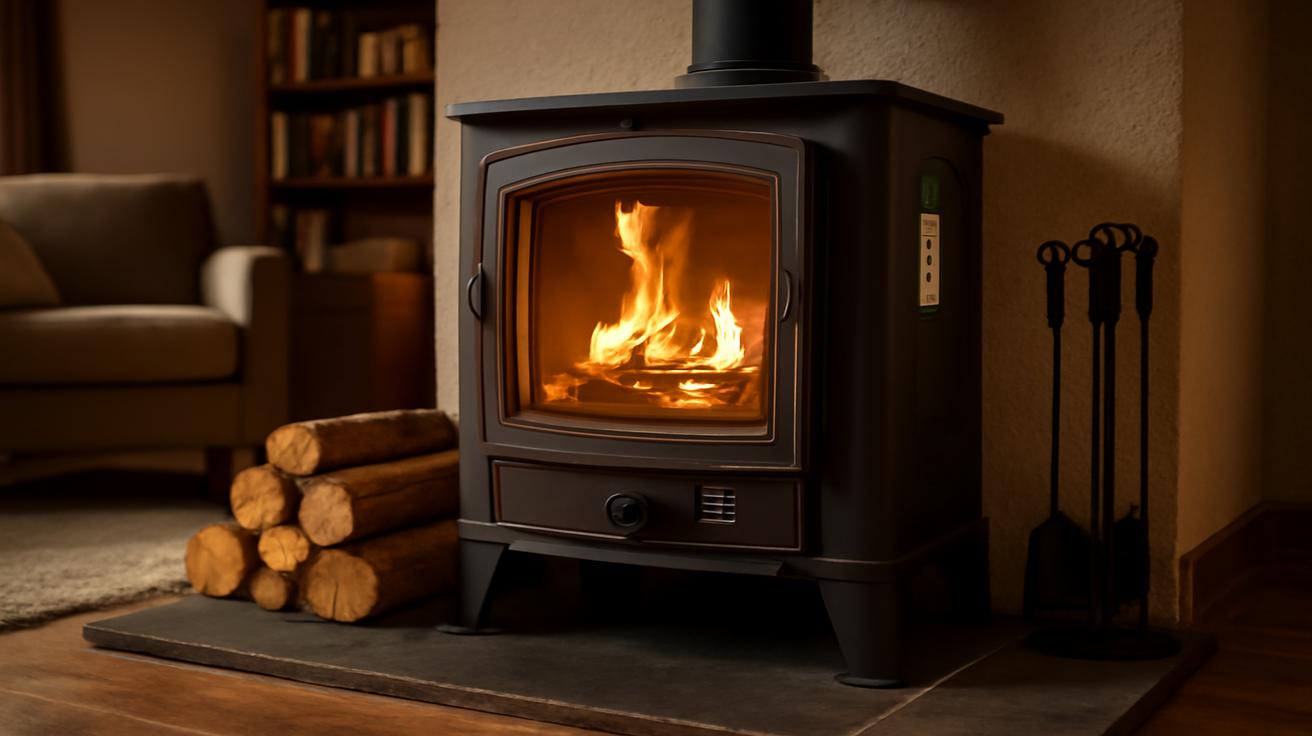
The shift from autumn to winter happens without warning. One evening you’re enjoying crisp fall air through open windows, listening to the final chirps of crickets before the cold arrives, and suddenly you’re facing that first genuinely frigid night. If you’ve decided that a wood stove is your answer to home heating, you’re joining thousands of homeowners who appreciate the warmth, ambiance, and energy independence these appliances provide. However, selecting the right wood stove is not a decision to make hastily. The wrong choice could leave you with an inefficient unit, safety concerns, or an investment that fails to meet your heating needs. This comprehensive guide outlines five critical considerations that should guide your wood stove purchase.

Understanding Your Heating Requirements and Space Size
The first step in selecting an appropriate wood stove involves honestly assessing the area you need to heat. Wood stoves come in various sizes and heating capacities, measured in British Thermal Units (BTUs). A stove that’s too small will struggle to warm your space adequately, running constantly and consuming excessive fuel. Conversely, an oversized stove will heat your room too quickly, causing the thermostat to cycle on and off frequently, reducing efficiency and creating temperature fluctuations.
To determine your heating needs, measure the square footage of the space you intend to warm. As a general rule, a well-insulated room of 1,000 to 2,000 square feet typically requires a stove producing 40,000 to 60,000 BTUs. For larger open-concept spaces or poorly insulated homes, you may need a stove rated for 80,000 BTUs or higher. Additionally, consider your home’s climate zone. Residents in severe climates need more powerful units than those in moderate regions. Many reputable stove manufacturers provide sizing calculators on their websites, allowing you to input your specific measurements and receive personalized recommendations.
Evaluating Efficiency Ratings and Environmental Standards
Modern wood stoves are dramatically more efficient than their predecessors from decades past. Contemporary models typically achieve efficiency ratings between 70 and 90 percent, meaning that most of the heat generated remains in your home rather than escaping through the chimney. This efficiency translates directly to fuel consumption and operating costs. A stove rated at 85 percent efficiency will require considerably less wood to achieve the same warmth as a model rated at 65 percent efficiency.
Look for stoves certified by the Environmental Protection Agency (EPA). These certifications ensure the unit meets strict emissions standards, producing fewer pollutants while burning wood more completely. EPA-certified stoves emit less than 2 grams of smoke per hour, compared to older models that might emit 15 grams or more. Beyond environmental responsibility, this efficiency represents tangible savings. Calculate your potential annual fuel costs by comparing efficiency ratings. If you’re comparing two stoves where one burns 5 cords of wood annually while another requires 3 cords to produce identical heat, the more efficient model will pay for itself within several heating seasons through reduced fuel expenses.
Installation Requirements and Chimney Considerations
Before purchasing any wood stove, have your chimney professionally inspected. This examination is not optional—it’s essential for safety and functionality. A qualified chimney sweep will identify structural issues, clearance problems, or blockages that might prevent proper operation. Existing chimneys may require modification or upgrading to accommodate your new stove safely. Some homes lack suitable chimneys entirely, necessitating installation of a new chimney system—an expensive undertaking that should factor into your overall budget.
Installation clearances matter significantly. Building codes mandate specific distances between the stove and surrounding combustible materials like wood framing, drywall, or flooring. These clearances typically range from 12 to 36 inches depending on your stove model and local regulations. Professional installation ensures compliance with all codes and safe operation. The cost of professional installation, including chimney work and hearth construction, can range from $2,000 to $5,000 or more, so this should definitely influence your purchasing decision and budget planning.
Fuel Type Options and Storage Capacity
While wood stoves are most common, modern alternatives include pellet stoves and hybrid models. Traditional wood stoves burn seasoned hardwood firewood, requiring dry storage space and regular splitting, stacking, and rotation. Pellet stoves burn compressed wood pellets delivered in bags, offering more consistent heating and less mess, though they require electricity for operation. Understanding your commitment level to fuel management helps determine which type suits you best.
If you choose a traditional wood stove, ensure you have adequate storage for a full season’s worth of firewood. Most homes require 3 to 8 cords annually depending on climate and stove efficiency. Wood must be seasoned for 6 to 12 months before burning, so purchasing fuel becomes a year-round consideration. Calculate your available storage space before committing to purchase. Additionally, consider the source of your wood. Will you cut and season your own fuel, purchase from local suppliers, or rely on delivered firewood? Each option affects long-term costs and convenience.
Budget Considerations and Long-Term Value Assessment
Wood stove costs vary dramatically based on quality, size, and features. Basic models start around $1,500, while premium stoves with advanced features may exceed $5,000. Beyond the stove itself, account for installation expenses, chimney modifications, and hearth construction. Total project costs typically range from $3,500 to $8,000 for a complete installation in an existing home.
Despite the substantial initial investment, wood stoves provide genuine long-term value. They increase home resale value, reduce dependency on utility companies, and provide backup heating during power outages. Many homeowners recover installation costs within 5 to 10 years through reduced heating expenses. Evaluate your situation realistically. If you plan to remain in your home for many years and heat with wood year-round, the investment makes financial sense. However, if you’re considering moving within a few years, the return on investment becomes less certain.
Manufacturer Reputation and Warranty Coverage
Research manufacturers before making your final decision. Established companies with long histories in the industry typically offer superior engineering and customer support. Read reviews from actual owners, not just marketing materials. Pay particular attention to feedback regarding durability, customer service responsiveness, and warranty claims experiences.
Examine warranty terms carefully. Most quality manufacturers offer warranties covering structural integrity and internal components, typically lasting 5 to 10 years. Some components like grates and liners may have shorter warranties since they experience wear. Understand what’s covered, what’s excluded, and what documentation you need to preserve for warranty claims. A comprehensive warranty from a reputable manufacturer provides security and demonstrates confidence in the product’s quality.
Choosing the right wood stove requires balancing multiple factors including heating capacity, efficiency, installation requirements, fuel considerations, and financial investment. By carefully evaluating these five essential elements, you’ll select a stove that delivers reliable warmth, operates efficiently, and provides years of dependable service through countless cold winters ahead.











Leave a Comment