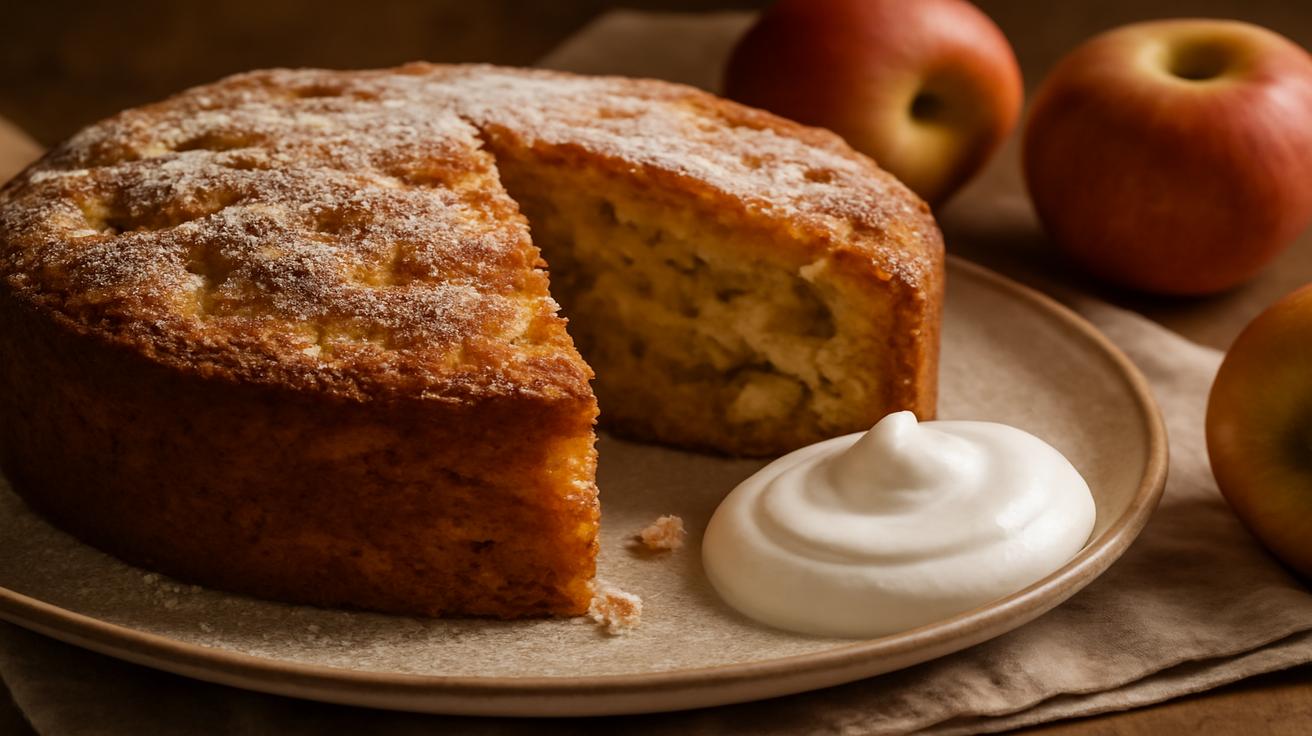
The kitchen has become quieter in recent years, filled less with the aggressive beating of electric mixers and more with the gentle, methodical sounds of simple baking. Among the newest converts to straightforward dessert-making are those who have discovered a fundamental truth: the best apple cakes don’t require hours of preparation or complicated techniques. Instead, they emerge from a surprisingly simple combination of oil, yogurt, and patience.


The Quiet Revolution in Baking Methods
Professional bakers and home enthusiasts alike have begun documenting a significant shift in how desserts are approached. Where previous generations relied heavily on creaming butter with sugar—a process requiring specific equipment, temperature control, and considerable elbow grease—contemporary bakers are embracing alternative ingredients that simplify the entire procedure.
The transformation begins with understanding why oil functions differently than butter in cake batters. Unlike butter, which contains water and milk solids that require mechanical incorporation, oil distributes evenly through dry ingredients with minimal mixing. This seemingly minor distinction creates a cascade of advantages that make modern apple cake baking fundamentally less demanding.
Yogurt, when incorporated into the batter, brings its own properties to the table. Its acidity activates baking soda, creating lift and structure without requiring the incorporation of air through vigorous beating. The dairy component adds moisture and tenderness while contributing subtle flavor notes that enhance rather than mask the natural sweetness of apples.
Understanding the Science Behind Lighter Cakes
The chemical principles underlying oil and yogurt-based cakes represent a departure from classical baking science. Traditional butter-based cakes achieve their structure through the mechanical incorporation of air during the creaming process. This method, while reliable, demands precision and effort. The new approach leverages chemical leavening more intelligently, reducing the work required from the baker.
When baking soda encounters yogurt’s lactic acid, a reaction occurs immediately. This reaction creates carbon dioxide bubbles that provide structure and rise. The oil, meanwhile, coats flour particles and creates a tender crumb structure that would typically require careful handling to achieve. The result is a cake that is simultaneously lighter in texture, more forgiving in preparation, and surprisingly consistent batch after batch.
Temperature considerations also shift when using oil instead of butter. Oil remains liquid across a wider temperature range, meaning bakers need not fret about softening butter to precisely the right consistency. The mixing bowl can be a casual kitchen vessel rather than a precisely temperature-controlled environment. This democratization of baking technique makes quality desserts accessible to those without professional kitchen equipment or extensive baking experience.
The Apple Question: Variety and Preparation
No discussion of apple cake is complete without addressing the fruit itself. Home bakers experimenting with oil and yogurt bases have found that their forgiving nature works particularly well with a wider variety of apples than traditional recipes. Granny Smith apples, prized for their tartness, contribute brightness to these cakes. However, sweeter varieties like Honeycrisp or Gala also perform admirably, their natural sugars requiring no additional compensation in the recipe.
The preparation phase, which previously might have involved careful peeling, coring, and slicing to ensure uniform pieces, becomes considerably more relaxed with oil and yogurt cakes. The structure created by the yogurt-based batter holds up well even when apples are cut irregularly or distributed unevenly throughout the batter. Some bakers report that rough chopping produces superior results, as it creates more surface area for caramelization during baking.
Texture Development and Crumb Structure
Those who have moved to oil-based formulations consistently report surprise at the textural results achieved with minimal effort. The crumb tends toward a tender, almost delicate quality that contrasts beautifully with the softer cooked apple pieces scattered throughout. This textural interplay emerges naturally from the chemistry of the ingredients rather than from laborious technique.
The moisture content in oil-based cakes tends to remain stable for several days, a practical advantage for busy households. Where butter cakes may develop a dry exterior or lose their tender crumb quickly, oil-based versions maintain their soft structure longer. Some bakers attribute this to the water content in yogurt, which continues to hydrate the flour throughout storage. Others point to the way oil creates an impermeably tender crumb that resists moisture loss.
Efficiency in the Modern Kitchen
Perhaps the most significant appeal of oil and yogurt apple cakes lies in their efficiency. The mixing process, which for traditional cakes might occupy a baker’s attention for fifteen to twenty minutes, completes in roughly five. The method typically involves whisking together dry ingredients in one bowl, combining wet ingredients in another, and folding the two together with a minimum of mixing.
This streamlined approach has particular appeal for working parents, students, and others whose time constraints previously relegated baking to weekends or special occasions. A baker can prepare a complete oil and yogurt apple cake from concept to oven in under thirty minutes, and from conception to completed cooling in roughly ninety minutes.
Flavor Profiles and Customization
The subtle dairy notes contributed by yogurt create a neutral canvas that welcomes flavor experimentation. Bakers have reported success adding cinnamon, nutmeg, cardamom, and even ginger to their oils and yogurt formulations. Some incorporate vanilla extract, while others appreciate the cake’s natural apple-forward flavor when these additions are omitted.
The yogurt base also accommodates both traditional granulated sugar and alternatives like coconut sugar or honey, though adjustments to liquid ratios may be necessary with the latter options. This flexibility encourages home bakers to experiment and personalize their recipes rather than adhering rigidly to published instructions.
The Broader Baking Conversation
The emerging popularity of oil and yogurt cakes reflects broader conversations happening in kitchens worldwide. Bakers are questioning inherited assumptions about which techniques are truly necessary and which merely represent tradition. This questioning has produced simpler, more accessible recipes without sacrificing quality or satisfaction.
Food writers and baking educators have begun documenting this shift, recognizing it as a significant evolution in how home cooks approach dessert preparation. The movement prioritizes practicality without condemning classical techniques, instead suggesting that different approaches serve different purposes and contexts.
Conclusion: Simplicity as Sophistication
The apple cake made with oil and yogurt represents something quietly revolutionary: the recognition that simplicity and quality need not be mutually exclusive. These cakes demonstrate that fewer ingredients, less mixing, and reduced technical demand can produce desserts that are every bit as satisfying as their more elaborate cousins.
For those seeking to expand their baking repertoire or simply hoping to add a reliable, unfussy dessert to their regular rotation, the oil and yogurt apple cake offers an inviting entry point. The gentle sounds of its preparation—the soft whisper of the whisk, the quiet thud of apples hitting the cutting board—suggest something important: that the best desserts often emerge not from complexity, but from clarity of purpose and confidence in simple, reliable methods.









Leave a Comment