The unmistakable sizzle that erupts when food meets hot oil—sharp, intense, and gloriously brief—represents one of cooking’s most satisfying moments. Yet this seemingly simple sound belies a complex interplay of technique, timing, and preparation that separates merely edible fried food from truly exceptional cuisine. Leading culinary professionals across Europe have long recognized that achieving the perfect crispy coating requires far more than dropping wet ingredients into a pan of oil.
The Foundation: Understanding Surface Moisture
Contemporary chefs emphasize an often-overlooked principle that fundamentally changes how home cooks approach frying. The exterior moisture content of food items directly determines whether a batter will adhere properly and develop that coveted golden-brown crust. When fresh ingredients arrive at the cooking station, they carry considerable water content on their surfaces—invisible to the naked eye but present nonetheless.
This surface moisture creates a critical problem during the frying process. Instead of allowing the batter to make direct contact with the food item, water molecules create a barrier that prevents proper adhesion. As the oil heats the food, steam escapes from this moisture layer, pushing the batter away from the surface rather than allowing it to bond securely. The result is a coating that separates, bubbles unevenly, or fails to achieve consistent crispness.
Professional kitchen operations implement systematic drying protocols before any breading or battering occurs. These aren’t elaborate procedures requiring specialized equipment. Rather, they represent deliberate choices about preparation timing and technique that yield dramatically improved results.
Practical Drying Methods Used in Professional Kitchens
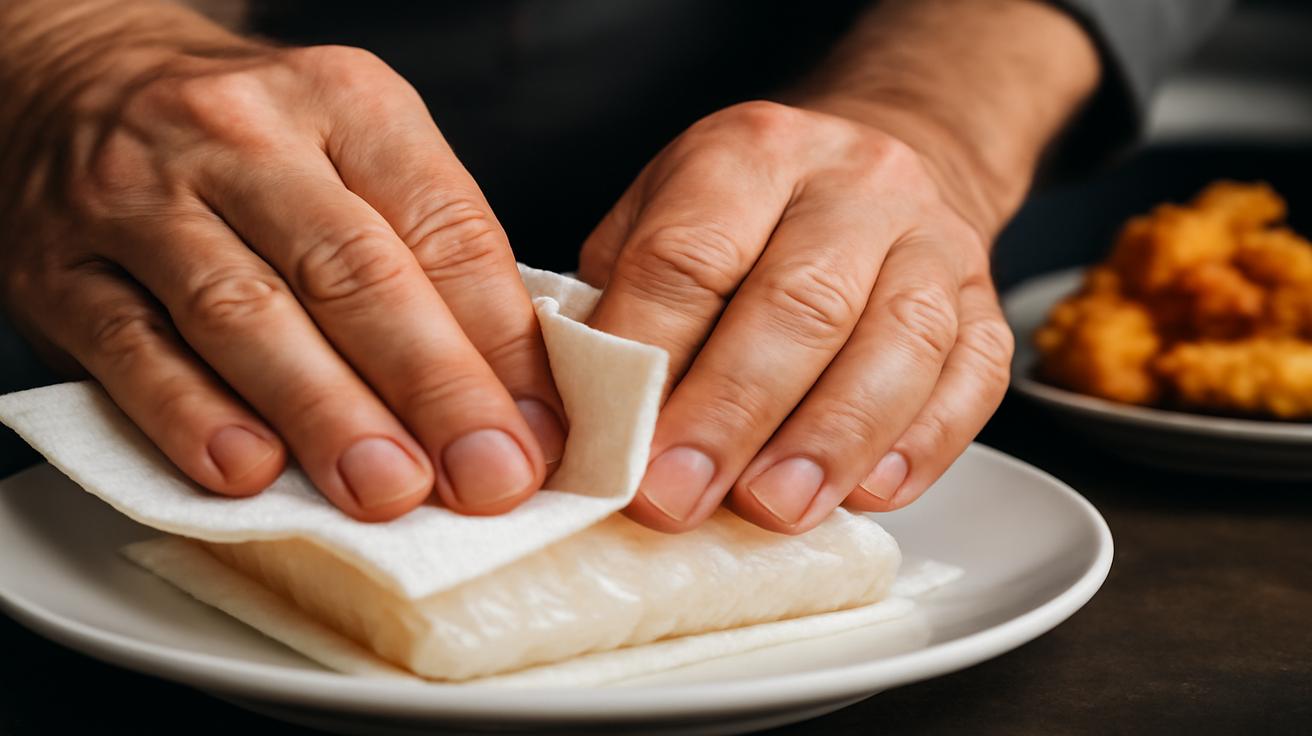
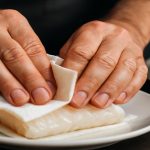
The simplest and most effective approach involves using clean paper towels or absorbent kitchen linens. After washing and cutting food items, chefs pat them thoroughly on all surfaces, paying particular attention to crevices and indentations where water tends to collect. This single step removes the majority of surface moisture before the food ever approaches the batter station.
Timing matters significantly in this process. Ideally, items should be patted dry immediately before battering, as allowing them to sit—even briefly—permits moisture from the interior to migrate back to the surface. Progressive chefs often implement a short resting period after drying, typically five to fifteen minutes, which allows the food’s surface to reach a stable moisture state.
Temperature considerations also influence drying effectiveness. Slightly chilled food items (held at refrigerator temperature but not frozen) maintain drier surfaces compared to room-temperature alternatives. This principle has led many restaurants to incorporate a quick refrigeration step into their preparation sequence, particularly for items that will be breaded several hours before cooking.
The Science Behind Batter Adhesion
Understanding why moisture matters requires examining what occurs during frying at the molecular level. When a dry food surface meets hot oil, the proteins and starches in the batter respond to heat through a process called the Maillard reaction. This chemical transformation creates new flavor compounds and generates the desirable brown color and crispy texture that characterize well-prepared fried foods.
Water molecules interfere with this process because they require significantly more energy to heat compared to oil. Water’s high heat capacity means it absorbs thermal energy that would otherwise go toward developing the batter’s crispy exterior. Moreover, as water evaporates from the food surface during cooking, it carries heat away through evaporative cooling, further slowing the browning process.
Chefs working in high-volume operations have observed that dry food surfaces achieve desirable golden-brown coloration in measurably shorter cooking times. This efficiency gain matters enormously in professional settings where consistency and speed directly impact service quality. For home cooks, the benefit translates into more reliable results and reduced risk of overcooking.
Batter Composition and Its Relationship to Surface Preparation
The specific batter recipe significantly influences how important surface drying becomes. Traditional batters utilizing flour, liquid, and leavening agents (such as baking powder or baking soda) require proper adhesion to create crispy exteriors. Heavier, more robust batters—particularly those containing egg, milk, and multiple flours—can tolerate slightly more surface moisture than lighter preparations.
Conversely, delicate batters designed for ultralight, shatteringly crisp coatings demand meticulous surface preparation. Beer batters, tempura-style preparations, and other aerated batters produce optimal results only when the food surface is genuinely dry. The contrast between wet batter and dry food surface creates the temperature differential necessary for the dramatic sizzle that signals proper cooking conditions.
Progressive chefs often adjust their battering techniques based on environmental conditions. Humid days, when atmospheric moisture increases, require more aggressive drying protocols than dry days. Similarly, foods with naturally higher water content—certain vegetables, seafood, and fish—benefit from extended drying periods compared to denser items like potatoes or firm proteins.
From Theory to Practice: Implementing Professional Techniques at Home
Translating professional kitchen knowledge into effective home cooking practices doesn’t require specialized equipment or excessive complexity. The process begins with acknowledging that preparation deserves as much attention as cooking itself. Home cooks who invest time in proper drying consistently report improved results compared to their previous methods.
Establishing a systematic approach provides the most reliable outcomes. Wash and cut food items, then immediately pat them completely dry using clean paper towels or cloth linens. For items being prepared more than a few minutes before battering, consider a brief refrigeration period. When ready to bread or batter, work with one item at a time, maintaining dry conditions at the preparation station.
Oil temperature deserves equal emphasis alongside surface drying. Professional fryers maintain precise temperatures, typically between 320 and 375 degrees Fahrenheit depending on the specific application. Home cooks using stovetop methods benefit from using a reliable thermometer to monitor oil temperature, ensuring it reaches proper levels before introducing food.
Common Mistakes and How to Avoid Them
Many home cooks underestimate the drying step, viewing it as optional rather than essential. This oversight frequently results in the disappointment of suboptimal crispness—soggy coatings, pale coloration, or batters that separate during cooking. Committing to thorough drying transforms results dramatically.
Another widespread error involves reusing cooking oil without proper maintenance. Used oil accumulates moisture and food particles that interfere with heat transfer and batter development. Professional kitchens filter and refresh oil regularly, and home cooks benefit from similar practices when frying frequently.
Overcrowding the cooking vessel represents a third common mistake. When too much food enters oil simultaneously, the temperature drops sharply, preventing proper crust development. Working in smaller batches, allowing oil temperature to recover between additions, produces superior results.
The Broader Culinary Context
Contemporary culinary science continues validating techniques that experienced chefs have employed for generations. The principle of proper surface preparation transcends specific cuisines or cultural traditions, appearing in Japanese tempura preparation, Spanish croqueta production, Southern American cooking traditions, and Middle Eastern food preparation methods.
As home cooking increasingly draws inspiration from professional restaurant practices, understanding the reasoning behind techniques—not merely following recipes mechanically—empowers cooks to adapt and innovate. The knowledge that surface moisture inhibits proper batter adhesion and browning provides a foundation for troubleshooting and improving upon established methods.
The seemingly magical transformation of ingredients into golden, crunchy delights ultimately rests on fundamentals: dry surfaces, proper batter composition, appropriate oil temperatures, and adequate cooking time. Mastering these elements brings restaurant-quality results within reach for any home cook willing to invest attention in preparation.









Leave a Comment