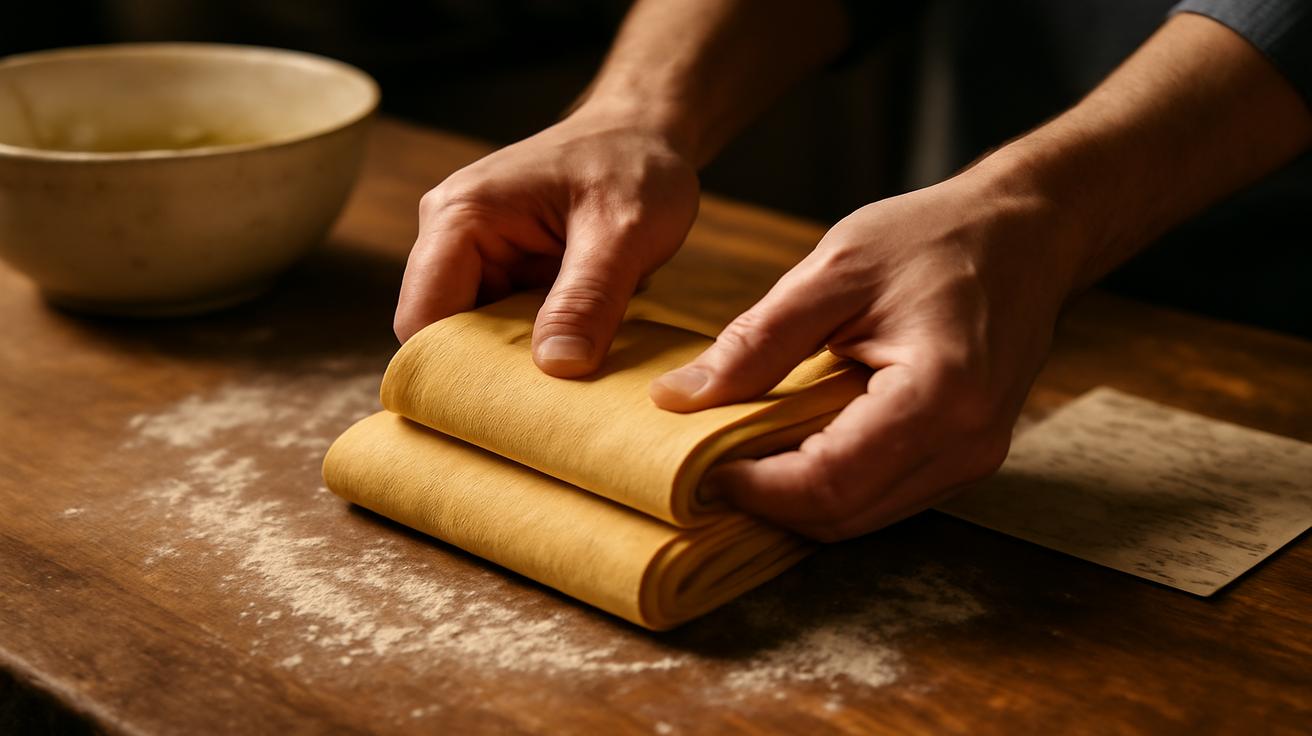
Five years ago, I made a decision that would fundamentally alter my approach to cooking. After reducing a saucepan to a blackened ruin and transforming what should have been an elegant dinner into an evening of damage control, I committed to understanding pasta—not as a collection of steps, but as a living, breathing process that demanded respect and attention.

The Night Everything Changed
The incident itself was unremarkable on the surface. I followed a recipe I’d found online, one that promised to deliver restaurant-quality pasta in under thirty minutes. The instructions seemed straightforward: sauté garlic, add tomatoes, simmer sauce, cook pasta, combine. Yet somewhere between the confident grip I had on my wooden spoon and the moment smoke began curling from my pan, everything unraveled.
The garlic burned before I even realized what was happening. Not browned—which would have been acceptable—but genuinely charred, releasing an acrid smell that seemed to permeate every corner of my apartment. I reflexively threw in the tomatoes to salvage the situation, hoping the liquid would extinguish what felt like a small grease fire. Instead, I created a bubbling, sputtering mixture that coated my stovetop with red splatter and convinced me I was fundamentally incapable of cooking anything beyond cereal.
My dinner guests arrived to a kitchen still hazed with smoke and a host who had abandoned all hope. That night, we ordered takeout, and I spent the following hour scrubbing a saucepan that refused to surrender the evidence of my failure.
Starting Over With Questions Instead Of Recipes
Rather than simply moving on, something inside me rejected the idea that this was my cooking ceiling. I began approaching pasta differently. Instead of searching for more recipes, I started asking questions that most cooking resources never addressed directly.
Why does garlic burn so easily? What actually happens to starch when pasta water hits a hot pan? How much heat does a sauce actually need? When does simmering become scorching? These weren’t rhetorical musings—they were practical problems I needed to solve through experimentation and observation.
Over the following months, I prepared the same basic pasta dish dozens of times, changing single variables each evening. I tested different heat levels, timing sequences, ingredient ratios, and techniques that weren’t mentioned in any recipe I’d encountered. My friends became inadvertent taste-testers, and while not every iteration was exceptional, each one taught me something the internet had failed to clarify.
The Critical Discovery About Garlic
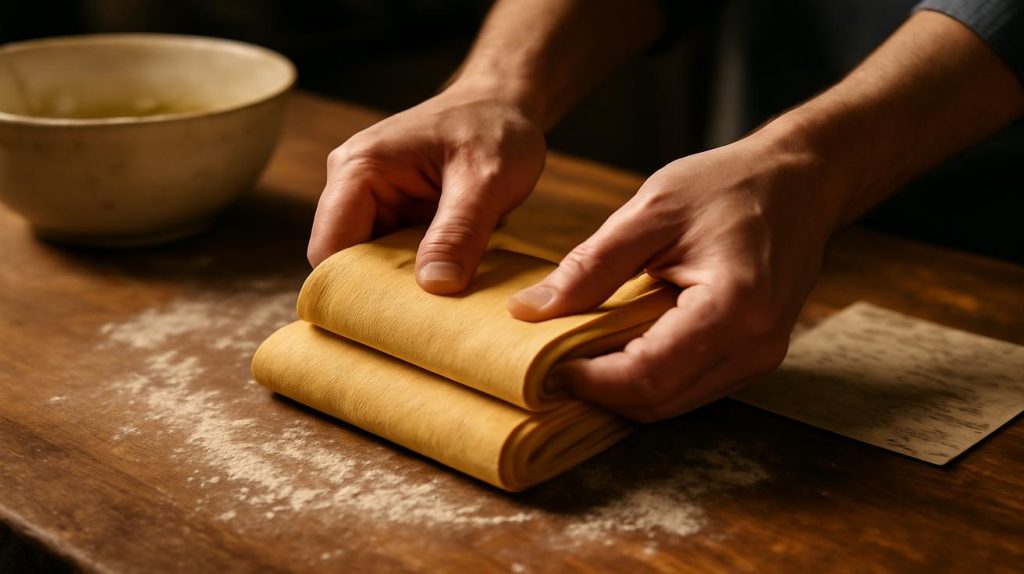
The turning point came when I stopped trying to achieve that golden-brown garlic color I’d seen in cooking videos. Instead, I began cooking garlic at a deliberately lower temperature, introducing it only after the oil had been properly warmed but before it reached what I initially thought was the right heat level. The revelation wasn’t subtle: garlic requires almost babying. It needs an environment where it can slowly release its flavors without the aggressive temperatures that turn it bitter and burnt.
This single adjustment transformed everything else that followed. When garlic is properly cooked rather than scorched, it becomes a foundation that allows other flavors to build rather than a cautionary tale of kitchen mishap. The timing matters more than the temperature—patience matters more than speed.
I learned to listen for specific audio cues. The moment garlic begins releasing its aroma, usually within forty-five seconds of entering the pan, is the moment to reduce heat or add the next ingredient. This happens faster than most recipes suggest, and it’s why so many home cooks end up with burnt aromatics.
Water, Starch, And The Sauce That Works
The next revelation involved understanding what actually happens when you combine pasta with sauce. Most recipes treat this as a simple mixing step, a final assembly. In reality, this is where sophisticated cooking occurs. The starchy water clinging to drained pasta isn’t a byproduct to discard—it’s an emulsifier that can transform a separated sauce into something cohesive and luxurious.
I discovered that the optimal method involves reserving at least two cups of pasta cooking water before draining. Then, instead of immediately combining pasta and sauce, I began adding pasta water to the sauce first, allowing the starch to fully integrate with the fat and tomato base. Only after this mixture achieved a certain consistency—one I now recognize immediately—do I add the pasta itself.
This process requires maintaining a specific temperature in the final pan. Too hot, and the sauce breaks. Too cool, and the starches don’t properly activate. The range is surprisingly narrow, which is why most recipes fail at this crucial step without explaining why.
The Technique I Now Use Without Variation
After years of refinement, my pasta method has crystallized into a procedure I follow with almost ritualistic consistency. I begin by slicing garlic thinly—not minced, but thin slices that cook more evenly. The oil goes into the pan at medium heat, warming for approximately two minutes before the garlic arrives. Once added, I watch carefully for the aroma to emerge, which happens in under a minute. The moment the smell becomes pronounced, I reduce heat to medium-low and add my tomatoes.
The sauce simmers at this gentle temperature for twelve to fifteen minutes, never at an aggressive bubble, but with small, lazy movements at the surface. Meanwhile, pasta cooks in aggressively salted water—the water should taste like the sea, which seems excessive until you actually taste it. I begin testing pasta at eight minutes and drain it when it reaches al dente, always reserving that crucial pasta water.
In a separate pan, I combine sauce with approximately one cup of pasta water, increase the heat briefly, and watch as the mixture emulsifies into something that appears to have body and substance. The starch transforms the sauce from separated liquid and solids into something nearly silken. Only then does the pasta join the sauce, with additional pasta water added in quarter-cup increments until the consistency reaches what feels right—somewhere between a traditional sauce coating and a slightly loose mixture.
Why This Matters More Than Following Instructions
The crucial difference between this method and the recipes I initially followed isn’t that mine includes secret ingredients or unconventional steps. It’s that I understand why each element matters. I’m not following instructions blindly but rather working within a system I’ve tested extensively.
This knowledge has become transferable to other cooking challenges. When something goes wrong, I can diagnose the problem because I understand the underlying mechanisms. When I want to improvise, I can do so with confidence because I understand what will and won’t work.
The burned saucepan from that disastrous evening is long gone, but the lesson it taught me remains. Sometimes the recipes that work best aren’t the ones we find online, but the ones we learn through failure, testing, and genuine curiosity about how cooking actually works.










Leave a Comment