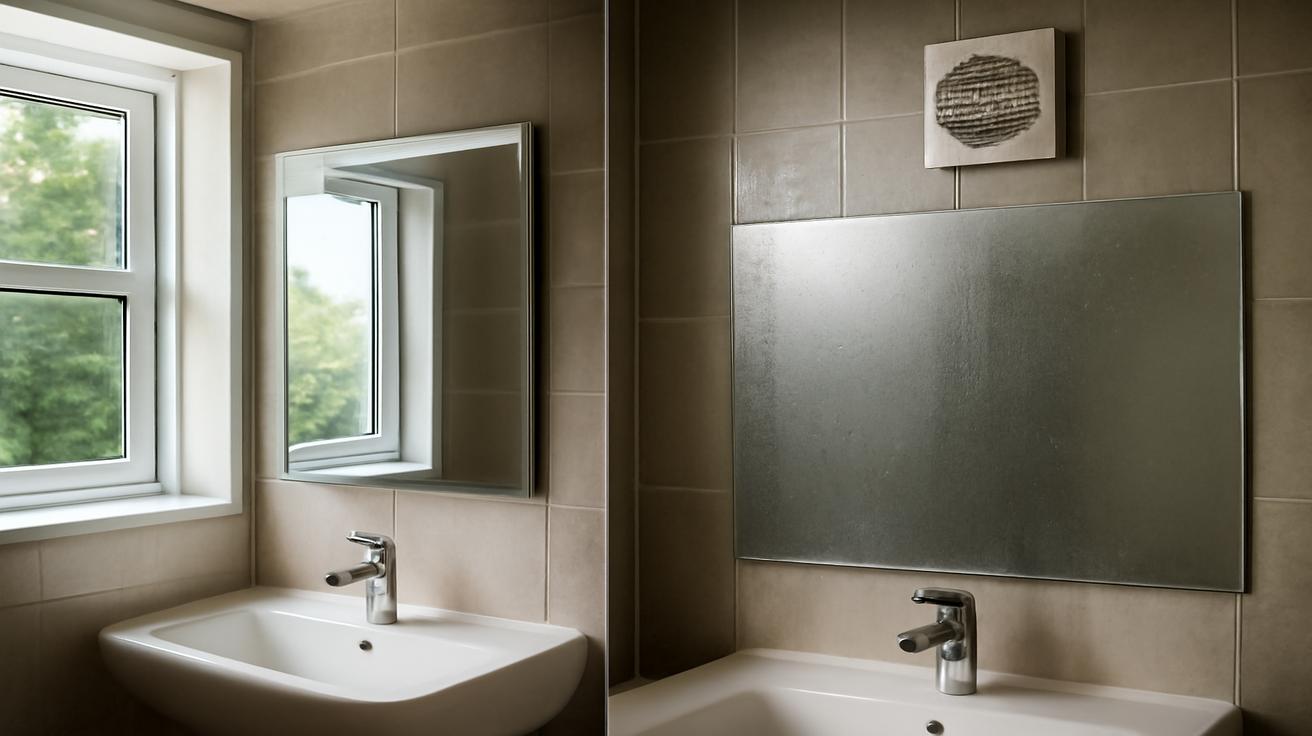
The bathroom mirror fogs instantly as hot water cascades down, transforming the small space into a sauna-like environment. Most homeowners install extractor fans expecting them to handle this moisture challenge, yet many struggle with persistent dampness, mold growth, and that distinctive musty odor. The solution, however, may be simpler than upgrading ventilation systems: opening a window.

The Science Behind Shower Steam
When you shower, water molecules evaporate rapidly from the hot water stream and your warm skin. This creates a dramatic increase in relative humidity within seconds. The bathroom air becomes saturated—sometimes reaching 100% humidity immediately after a hot shower. This saturated air clings to every surface: mirrors, tiles, grout lines, and walls.
Extractor fans work by moving air out of the bathroom through ductwork. However, they operate within certain limitations. Most residential bathroom fans move between 50 and 110 cubic feet of air per minute (CFM). While this seems adequate on paper, the reality is more complex. Fans must overcome resistance from ducting, bends, and external dampers. Many installations lose significant efficiency due to poor ductwork design or filters clogged with dust.
Window ventilation, by contrast, leverages natural pressure differences and convection currents. When you open a window after showering, temperature and humidity differentials create immediate air exchange. Warm, humid air rises and exits through the top of the window opening, while cooler, drier outside air enters naturally from the bottom. This passive ventilation requires zero energy consumption and works with physics rather than against it.
Why Extractor Fans Fall Short
The limitations of bathroom extractor fans extend beyond simple air movement capacity. Many fans operate on timers or motion sensors that turn them off too quickly. Research indicates that adequate moisture removal requires 20 to 30 minutes of continuous ventilation after showering. However, most bathroom occupants assume fans need only run during the shower itself.
Installation issues compound these problems. Fans ducted into attics rather than outside allow warm, moist air to condense in insulation—a major contributor to mold growth in upper-story bathrooms. Flexible ductwork with kinks and sagging sections reduces airflow efficiency dramatically. Even fans installed correctly lose effectiveness over time as internal dampers accumulate dust and lint.
Additionally, extractor fans create negative pressure in bathrooms. This can pull unconditioned air from adjacent spaces, increasing heating and cooling demands. During winter months, bathroom fans may draw cold air from surrounding rooms, while summer operation pulls warm air from air-conditioned spaces—both scenarios reduce energy efficiency throughout the home.
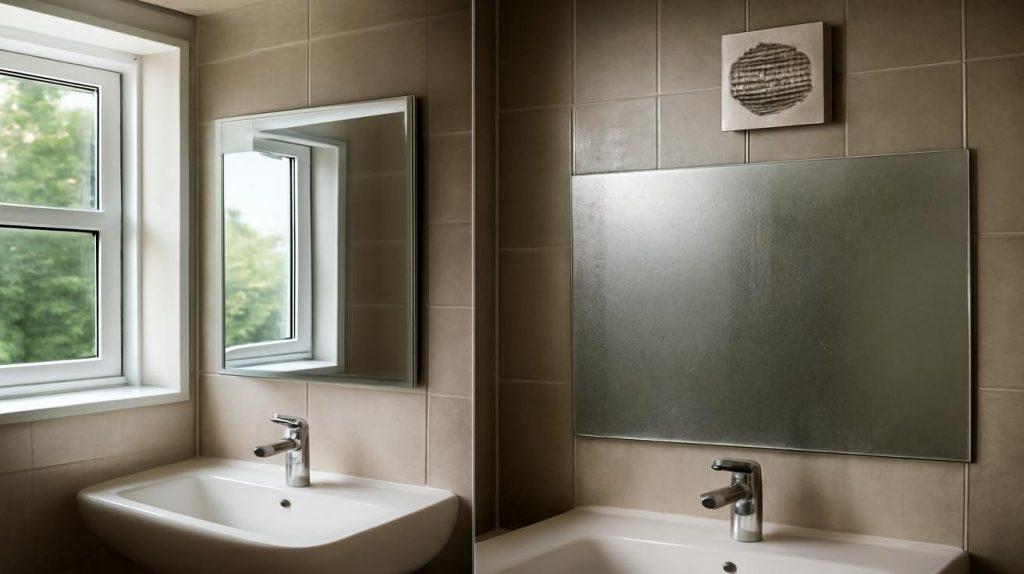
The Window Solution’s Distinct Advantages
Opening windows provides several benefits extractor fans cannot match. First, natural ventilation removes moisture without creating pressure imbalances. Air circulation follows natural convection patterns rather than forced mechanical movement. This distributes temperature more evenly and eliminates the whooshing sound many find unpleasant.
Window ventilation also brings in fresh outside air directly. Rather than simply removing bathroom air, you’re replacing it with fresher alternatives. This improves indoor air quality beyond just humidity reduction. Outdoor air contains lower concentrations of volatile organic compounds (VOCs) that accumulate in closed bathrooms, including products from personal care items, cleaning supplies, and mold spores.
The practice requires minimal maintenance. Unlike fans that need filter cleaning and eventual motor replacement, windows simply need occasional frame cleaning. There’s no ducting to inspect, no dampers to repair, and no moving parts prone to failure. This simplicity translates to long-term reliability that mechanical systems cannot guarantee.
Financial considerations also favor window opening. A quality bathroom extractor fan costs $150 to $400, plus installation expenses. Window operation is free. Over a 20-year period, accounting for electricity consumption, maintenance, and eventual replacement, window ventilation costs virtually nothing while providing superior performance.
The Combined Approach Strategy
Rather than viewing windows and fans as competitors, the most effective bathroom moisture management combines both. Extractor fans serve as backup ventilation during inclement weather or when window opening isn’t feasible. They address moisture during extremely humid seasons when outdoor air itself contains significant moisture.
The optimal approach involves opening windows immediately after showering for 20 to 30 minutes while keeping the extractor fan off during this period. This allows natural ventilation to work efficiently without mechanical interference. For bathrooms experiencing severe moisture problems, establishing this window-opening habit often resolves issues that expensive fan upgrades failed to address.
Climate Considerations and Seasonal Variations
Geographic location influences how effectively windows solve moisture problems. In humid coastal climates or during summer months, outdoor air itself carries substantial moisture. Window ventilation becomes less effective when outside humidity rivals indoor humidity levels. These situations call for extended window opening times or selective use of extractor fans during peak humidity periods.
Conversely, in arid climates or during winter months when outdoor air contains minimal moisture, window opening proves remarkably efficient. A brief 15-minute window opening after showering resolves moisture accumulation within hours. Cold winter air, despite its low relative humidity percentage, still removes absolute moisture from bathrooms when heated indoors.
Seasonal adjustments maximize window ventilation benefits. Winter months warrant quick, thorough window opening to leverage the humidity differential. Summer months may require longer opening times or rely more heavily on fans. Spring and fall often present ideal conditions where short window opening periods solve all moisture problems.

Preventing Common Bathroom Problems
Persistent bathroom moisture causes multiple problems beyond mold. Grout deteriorates faster in damp environments, reducing tile longevity. Caulking around tubs and showers develops gaps more quickly. Paint peels, wood trim warps, and wallpaper separates from walls. Window condensation becomes severe, reducing visibility and potentially damaging frames.
Regular window opening after showers prevents these cascading issues. By removing moisture immediately rather than allowing it to condense on surfaces, you interrupt the moisture cycle that drives these problems. Grout stays intact, paint remains adhered, and wood maintains its structural integrity. The minimal time investment—opening a window for 20 minutes—prevents thousands of dollars in repair costs.
Practical Implementation for Busy Households
Making window opening a consistent habit requires minimal behavioral change. Set a phone reminder for post-shower window opening if necessary. Most people find the practice becomes automatic after two weeks of intentional repetition. The reward—fresher-smelling bathrooms, clearer mirrors, and absence of mold—reinforces the behavior.
Households with multiple bathrooms can stagger window opening times, ensuring at least one window remains open continuously during peak usage hours. This distributes moisture reduction across the day rather than concentrating it in single events.
The Verdict
While bathroom extractor fans serve a purpose, they represent a complicated solution to what natural ventilation handles efficiently. Opening windows after showering costs nothing, requires no maintenance, and leverages physics to accomplish superior moisture removal. For most homeowners, this simple practice—combined with occasional fan use during truly humid conditions—solves persistent bathroom moisture problems that fans alone consistently fail to address.











Leave a Comment