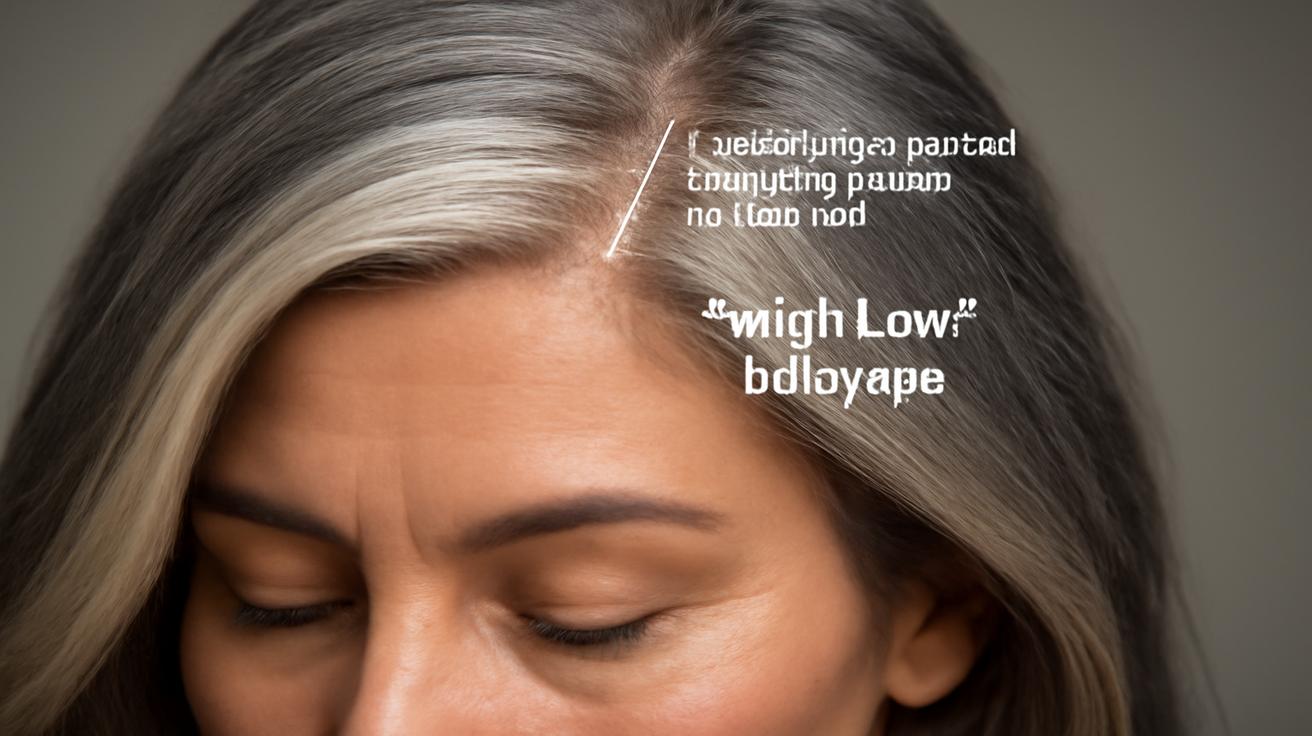
The journey toward silver hair often begins without warning. One glance in the mirror under unforgiving fluorescent lighting reveals those first glints of gray—sometimes just a handful, other times scattered throughout like unexpected visitors. For decades, the response has been predictable: either embrace complete coverage with permanent color or accept the frequent salon visits required to maintain flawless roots. Now, a growing movement among professional hairdressers is challenging this binary choice with a technique that transforms the silver into something enviable rather than something to hide.


The Gray Hair Paradox
Contemporary beauty culture presents an interesting contradiction. While younger generations actively pursue silver and platinum tones through expensive bleaching and toning treatments, those experiencing natural graying often view it as an unwanted sign of aging. This perception gap has created an interesting opportunity for hairstylists seeking creative solutions that honor both perspectives.
The emergence of gray hair typically occurs in the thirties and forties for most individuals, though genetics plays a significant role in timing. Unlike the sudden shock of a dramatic hair loss or unexpected change, graying happens incrementally. The first silver strands appear almost timidly, easy to overlook or attribute to lighting conditions. But as months pass and the percentage of gray hair increases, the question becomes increasingly urgent: how do you manage this transition gracefully?
Traditional approaches have centered on either fighting the change entirely through permanent color, which requires touchups every four to six weeks, or surrendering completely and transitioning to full silver. The middle ground has remained elusive—until now.
Understanding High-Low Balayage
The term “high-low balayage” refers to a strategic placement of highlights and lowlights that work together to create depth and disguise the transition between natural root growth and previously colored hair. Unlike traditional balayage, which typically concentrates lighter tones throughout the mid-lengths and ends, the high-low technique specifically addresses the root situation through intentional placement of darker tones.
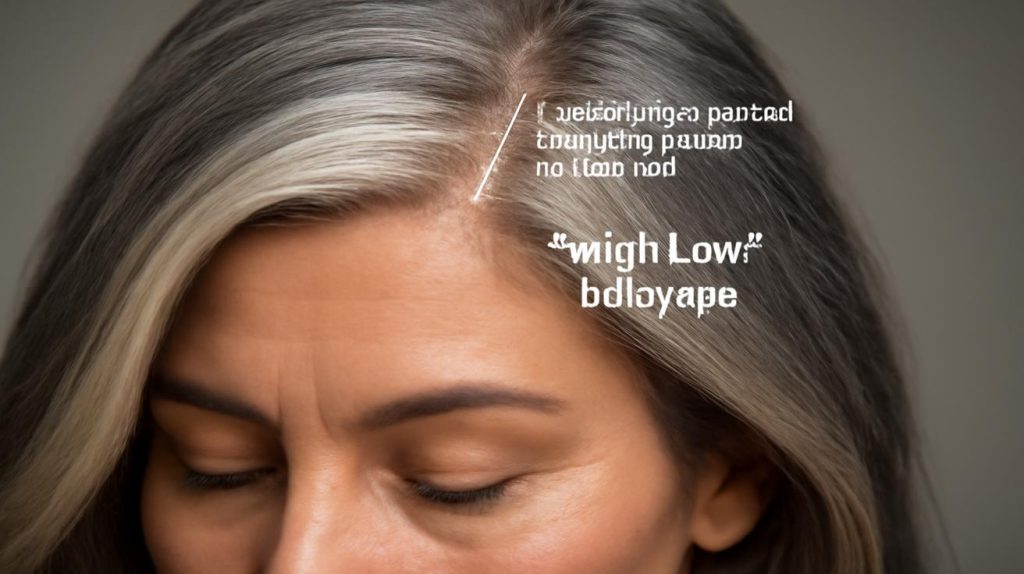
According to leading salon professionals, the technique operates on a fundamental principle: rather than trying to match gray hair to a predetermined color, the stylist works with the silver as an asset. Darker tones are placed strategically around the face and through the roots, while lighter, hand-painted highlights are reserved for mid-lengths and ends. This creates visual movement and dimension that makes regrowth virtually invisible.
“The key insight is recognizing that gray hair isn’t a problem to solve—it’s a texture to incorporate,” explains Marcus Chen, a colorist with fifteen years of experience at a prestigious salon in Manhattan. “When you place darker tones strategically, the incoming silver actually helps create the dimensional effect you’re trying to achieve.”
The technique requires genuine skill. A stylist must understand how different undertones interact, predict how gray hair will blend with existing color, and calculate precisely where to place lighter and darker tones. The result, when executed properly, appears intentional rather than haphazard—as though the wearer has deliberately chosen this multidimensional appearance.
The Low-Maintenance Advantage
Perhaps the most compelling argument for high-low balayage is the dramatic reduction in maintenance requirements. Traditional color treatments demand touchups every four to six weeks as new growth becomes visible. This frequent salon visiting becomes increasingly burdensome—and expensive—as the years accumulate.
High-low balayage extends the period between necessary salon visits to eight to twelve weeks, sometimes longer depending on the specific placement and the individual’s hair growth rate. This significant gap exists because the strategically placed darker tones blend seamlessly with incoming silver, making the growth phase nearly invisible.
For busy professionals managing demanding schedules, this difference represents not merely convenience but a meaningful shift in lifestyle. The cost savings also accumulate substantially. Where a typical year of monthly color touchups might cost between $600 and $1,200, the balayage approach reduces annual expenses by at least thirty to forty percent.
Additionally, the technique reduces the amount of chemical processing the hair endures. Fewer applications of color treatments mean less damage, breakage, and dryness. The hair maintains greater strength and shine over time, creating a beneficial cycle where the hair looks healthier precisely because it receives less frequent chemical intervention.
The Aesthetic Transformation
Beyond the practical advantages lies a substantial aesthetic benefit. High-low balayage creates a sophisticated, intentional appearance that suggests the wearer has made deliberate choices about their appearance rather than desperately covering natural changes.
The technique works particularly well for women in their forties and beyond who possess the confidence to embrace a more complex color palette. The dimensional quality—combining silver, mid-tone browns or blacks, and lighter highlights—creates visual interest that actually appears more youthful than a flat, uniform color.
Professional photographers and stylists have noted that this multidimensional approach photographs exceptionally well, catching light in ways that create natural luminosity. The varying tones create shadows and highlights that define facial features more effectively than a single hair color.
The Transition Journey
Moving toward high-low balayage typically requires planning rather than a single dramatic appointment. Most stylists recommend a gradual transition approach, particularly if the client is moving away from a single, uniform color for the first time.
The initial consultation between stylist and client proves crucial. The professional must assess the percentage of natural gray, determine the client’s existing base color, consider the individual’s complexion and personal style, and create a realistic plan that acknowledges the client’s comfort level with change.
Some clients begin with lighter, more subtle placements, gradually increasing the intensity as they become comfortable with the new aesthetic. Others prefer a bolder initial approach. There is no universal timeline—the best results emerge when the stylist and client collaborate based on the individual’s preferences and the starting point.
Professional Expertise Matters
This technique is distinctly not a DIY project. The strategic placement required, the color theory involved, and the need to adapt to each individual’s unique hair texture and skin tone all demand professional expertise.
Experienced colorists understand how to work with gray hair’s different texture and how it accepts color differently than pigmented hair. They recognize which tones complement specific skin undertones and how to create depth that actually flatters the face rather than merely covering growth.
Finding the right stylist often requires research and consultation. Many professionals now include high-low balayage in their service offerings, but the quality of execution varies considerably. Examining before-and-after portfolios and reading detailed reviews helps identify true specialists in this emerging technique.
A New Perspective on Aging
Ultimately, the rising popularity of high-low balayage for managing gray hair reflects a broader cultural shift in how we perceive aging and beauty. Rather than viewing graying hair as a problem demanding concealment, this technique reframes silver strands as an ingredient in a beautiful, complex whole.
The approach acknowledges that aging is inevitable while rejecting the notion that it must be invisible. Instead, it offers a middle path—one that honors natural changes while maintaining a polished, intentional appearance that makes the wearer feel confident and attractive.
As more women discover this technique and share their experiences, the conversation around aging and appearance continues to evolve. Gray hair, once viewed as something to desperately hide, is being reimagined as an opportunity for dimensional, sophisticated, and genuinely beautiful hair color.






Leave a Comment