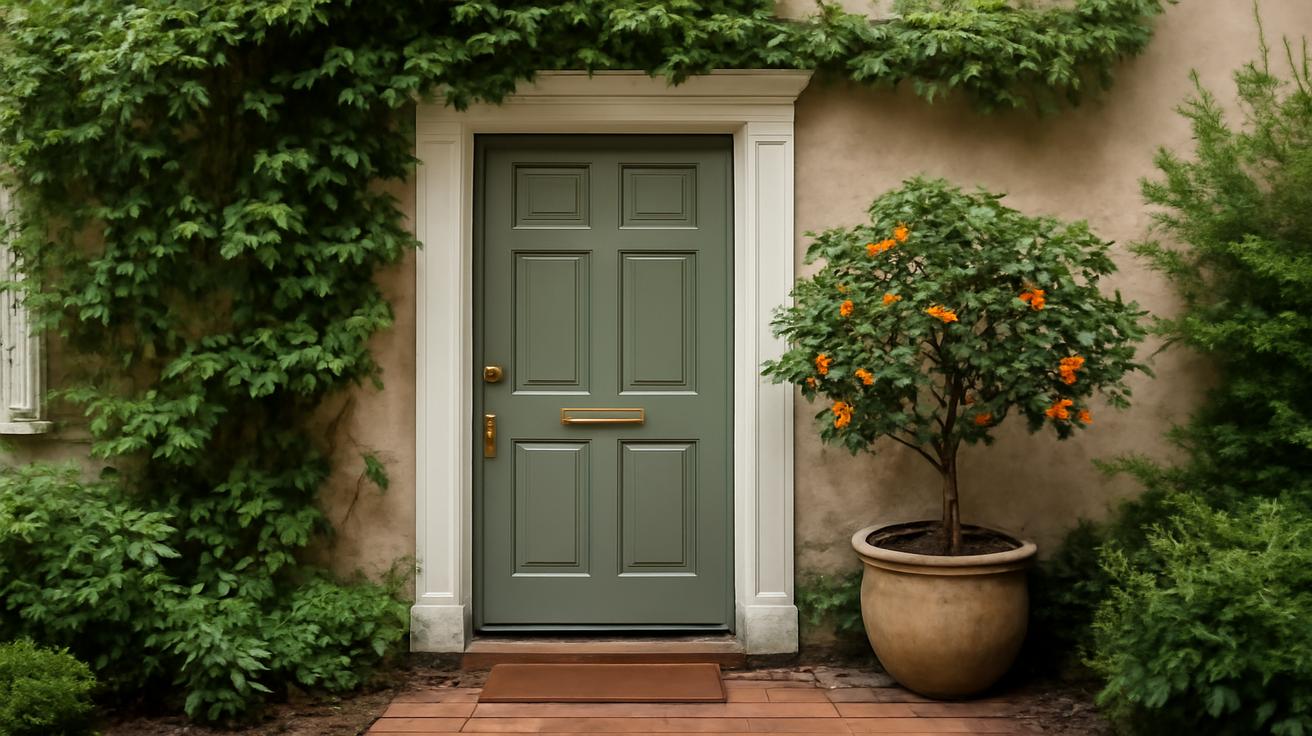
The morning light filtered through my front door’s glass panels as I examined the wilting succulent sitting on my porch step. It had been there for months, withering under the weight of conventional wisdom about tough, low-maintenance plants. That afternoon, a conversation with a Feng Shui consultant would completely reshape my understanding of what truly belongs at a home’s threshold.

The Myth of Doorway Plant Selection
For years, gardening enthusiasts have promoted pothos and cacti as the ultimate front door plants. The reasoning seems logical: pothos thrives in low light, cacti require minimal water, and both appear hardy enough to withstand the traffic and temperature fluctuations of an entryway. Yet according to practitioners of Feng Shui—the ancient Chinese system of spatial arrangement and environmental harmony—these popular choices may actually work against the energy you’re trying to cultivate at your home’s entrance.
“Most people choose plants based purely on practical growing requirements,” explains Marcus Chen, a certified Feng Shui consultant who has worked with residential clients across North America for the past fifteen years. “They fail to consider the energetic properties these plants carry and how those properties interact with the threshold space.”
The entrance of any home represents more than a physical boundary. In Feng Shui philosophy, it functions as the mouth of chi—the vital life force energy that nourishes every aspect of your living space. What greets visitors and residents alike as they cross this threshold sets the tone for the energy circulating throughout the entire home.
Why Cacti and Pothos May Work Against You
Cacti possess sharp spines and pointed edges, which Feng Shui practitioners call “poison arrows.” These metaphorical arrows direct harsh, aggressive energy toward visitors and inhabitants. While cacti certainly have their place in certain areas of a home—particularly in spaces requiring protection or boundaries—the front entrance demands a softer, more welcoming energy signature.
Pothos presents a different concern. Its trailing, vine-like nature can symbolize energy that extends beyond the home rather than drawing beneficial chi inward. The plant’s tendency to creep and spread without defined direction mirrors scattered, unfocused energy. Additionally, the plant’s toxicity to pets and small children introduces an element of caution that contradicts the sense of safety and security an entrance should radiate.
The Jade Plant: Nature’s Welcome Mat
Enter the jade plant—a succulent that has been treasured in Feng Shui practice for centuries. Unlike its spiky cousin the cactus, the jade plant presents smooth, rounded leaves that embody the principle of gentle abundance. Its botanical name, Crassula ovata, references those distinctive oval leaves that practitioners believe resemble coins, symbolizing wealth and prosperity.
“The jade plant is called the money tree in Feng Shui circles, and there’s profound wisdom in that designation,” notes Dr. Sarah Whitmore, a researcher specializing in traditional Eastern plant symbolism. “The rounded form creates a sense of completion and wholeness. When positioned at the entrance, it welcomes not just visitors, but also the flow of good fortune and abundance into the household.”
The jade plant’s sturdy, thick stems and branches represent stability and longevity. In traditional Chinese culture, these plants were often gifted to business owners and entrepreneurs as blessings for success and enduring prosperity. The plant’s slow, steady growth pattern embodies patience and the sustainable accumulation of wealth—far preferable to the get-rich-quick mentality that various cultures often glorify.
Practical Placement and Energy Alignment
Positioning matters enormously in Feng Shui application. A jade plant placed directly inside your front door, slightly to the left or right, creates what practitioners call a “guardian energy” without the aggressive qualities associated with sharp-leaved plants. The placement should allow the plant to be one of the first things visitors notice, but positioned so it doesn’t obstruct movement through the doorway.
According to traditional Feng Shui masters, the front door’s left side (from the perspective of someone standing inside looking out) corresponds to the wealth sector of the Bagua map—the nine-section grid that represents different life areas. Positioning a jade plant in this location creates a natural resonance with abundance and financial wellbeing.
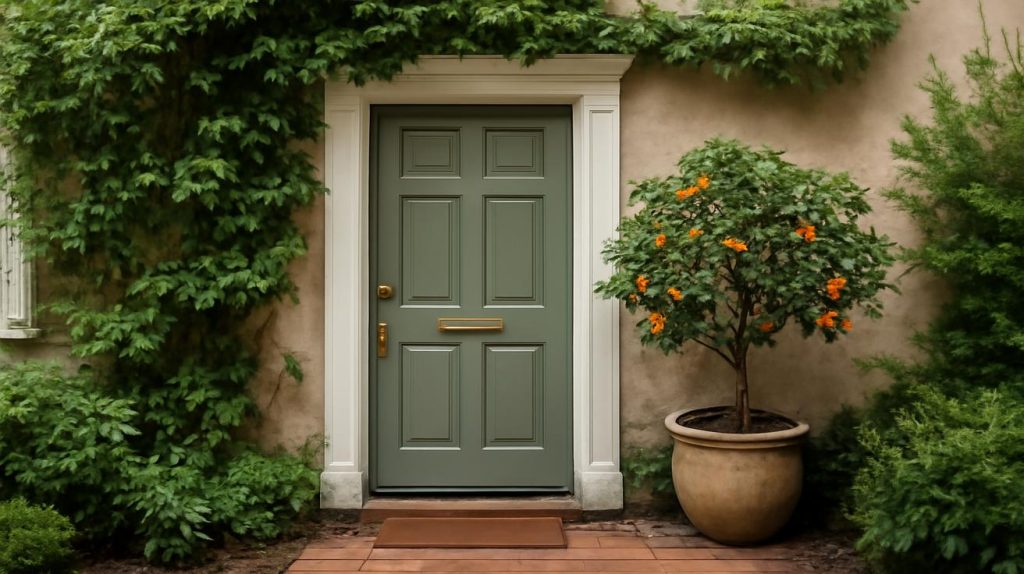
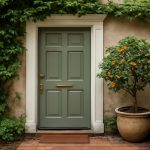
The pot selection deserves equal consideration. Ceramic pots in earth tones—terracotta, beige, or even deep greens—harmonize better with entrance energy than plastic containers or metallic finishes. The pot itself becomes part of the plant’s energetic transmission, grounding the wealth-attracting properties of the jade into your home’s foundation.
Caring for Your Entrance Guardian
The jade plant’s practical growing requirements align beautifully with the symbolism it carries. These succulents prefer bright, indirect light—abundant but not harsh, much like the ideal energy quality for a welcoming entrance. They require minimal watering, reflecting the principle that a home’s foundational energy, once established properly, sustains itself without excessive fussing.
“There’s an elegant metaphor in how jade plants grow,” explains horticulturist Linda Patterson. “They develop slowly and thoughtfully, never rushing or overextending. This measured growth pattern makes them perfect for entrance spaces. You’re inviting measured, sustainable prosperity rather than chaotic abundance that rarely lasts.”
The plant typically reaches four to six feet tall when given several years to mature indoors, creating an impressive visual presence without overwhelming the entryway. Pinching off new growth periodically encourages bushier, more rounded development—further enhancing the aesthetic and energetic harmony Feng Shui practitioners seek.
Beyond the Jade Plant: Complementary Choices
While the jade plant represents the premier choice for most entrance configurations, Feng Shui doesn’t operate as a one-size-fits-all system. The money plant (Epipremnum pinnatum), with its heart-shaped leaves and climbing tendency, serves as an excellent alternative when space constraints demand a vertical rather than spreading presence. The peace lily offers another option, though its preference for higher humidity requires more careful placement consideration.
What these alternatives share with the jade plant is an absence of sharp, aggressive edges and a symbolic connection to prosperity, peace, or positive transformation. The common thread running through all recommended entrance plants is their inherent gentleness paired with their symbolic richness.
Transforming Threshold Energy
Three months after replacing my dying cactus with a modest jade plant in a terracotta pot, I noticed subtle shifts in how my home felt. Visitors commented on the welcoming atmosphere before even stepping inside. The energy, previously edgy and somewhat uninviting, had softened into something genuinely hospitable.
Whether you attribute this transformation to Feng Shui principles or simply to the psychological impact of surrounding yourself with softer, more living beauty, the result remains the same. Your entrance becomes a genuine threshold—a space that meaningfully separates the external world from your personal sanctuary.
The jade plant standing at my doorway represents far more than a decorative choice. It embodies an ancient understanding about how our environments shape our lives, and how even small botanical decisions can align our homes with the prosperity and peace we genuinely seek.









Leave a Comment