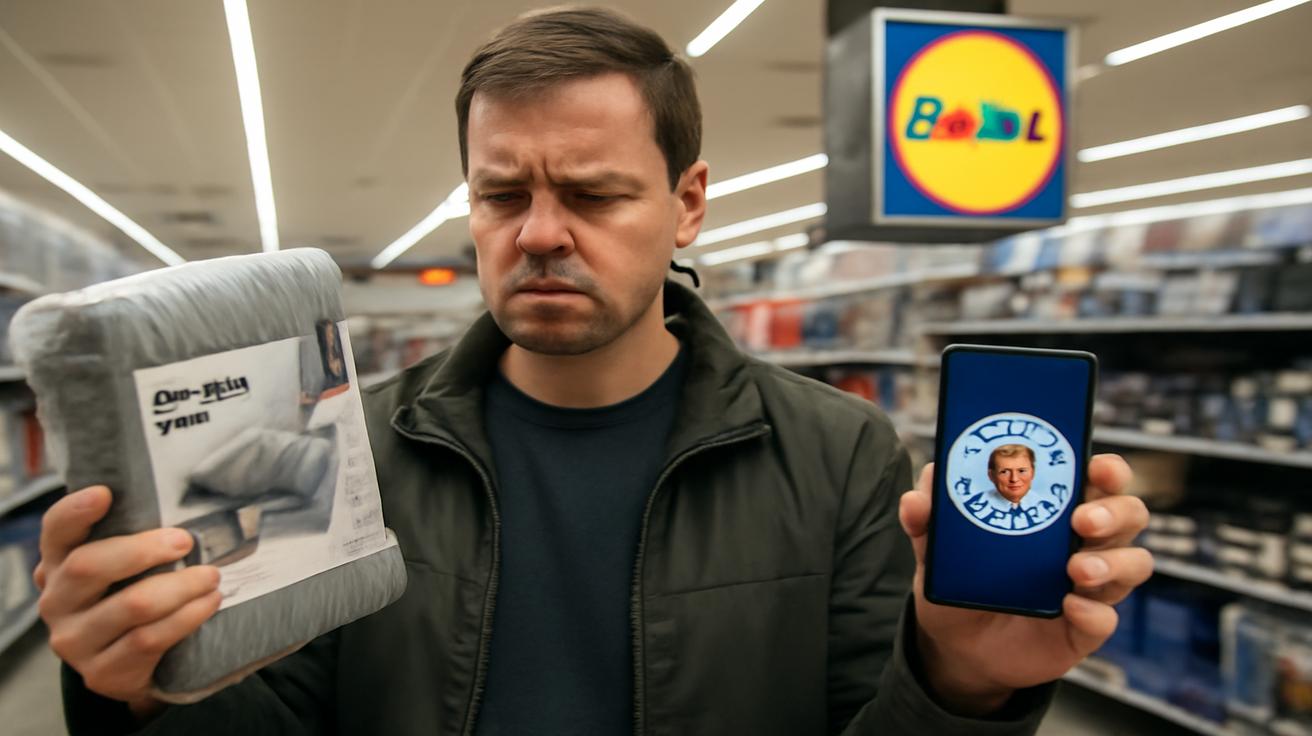
The relationship between celebrity personalities and commercial products has fundamentally shifted. What once seemed like straightforward endorsements from trusted figures has evolved into something far more complicated, leaving consumers caught between the appeal of curated recommendations and the creeping suspicion that they’re being manipulated for profit.


The Growing Trust Gap in Retail Endorsements
Consumer confidence in celebrity-backed products has reached a critical juncture. When prominent personalities align themselves with budget retailers and their seasonal offerings, the initial response from shoppers isn’t always enthusiasm. Instead, many now pause to consider the financial arrangements behind such partnerships and whether the genuine value proposition has been lost beneath layers of marketing strategy.
The tension stems from a fundamental misalignment of expectations. Consumers have increasingly sophisticated media literacy. They understand that endorsement deals involve payment structures, contractual obligations, and business relationships that may have little to do with authentic product experience. This awareness has created a credibility gap that even the most carefully crafted marketing campaigns struggle to bridge.
Social media has amplified this skepticism exponentially. Comments sections on celebrity product promotions frequently fill with accusations of selling out, with followers expressing disappointment that trusted figures now participate in what feels like transparent commercialism. The backlash suggests consumers are hungry for honesty in a landscape dominated by carefully filtered promotional content.
When Budget Becomes Marketing Gold
The budget retail sector has discovered that celebrity partnerships offer powerful marketing leverage. By positioning themselves as allies to consumers seeking affordable solutions, major retailers have created a narrative where celebrity involvement somehow validates economy-range products. This strategy has proven commercially successful, yet it’s generating unexpected resistance.
Budget shopping, historically positioned as a practical necessity or financially prudent choice, has been rebranded through celebrity involvement as lifestyle-adjacent. The message has shifted from “this saves money” to “this is what smart people choose.” While the rhetorical adjustment seems subtle, the implication carries weight: purchasing budget products becomes an endorsement of both the product and the celebrity promoting it.
However, this approach assumes consumers will accept the premise without interrogation. Many haven’t. Instead, shoppers are asking uncomfortable questions: If these products are genuinely superior and worth the celebrity’s endorsement, why do they need celebrity endorsement at all? Shouldn’t genuine quality speak for itself?
The Authenticity Question Nobody Can Answer
Perhaps the most damaging aspect of celebrity-product partnerships is the authenticity question. When a personality endorses a product, consumers reasonably wonder whether that individual actually uses the item or has any genuine stake in its success beyond contractual obligations. This fundamental uncertainty corrodes trust before the product even reaches store shelves.
Content creators and celebrities occasionally attempt transparency by disclosing affiliate relationships or paid partnerships. Yet even these transparent declarations seem to confirm consumers’ suspicions: the endorsement exists primarily to generate sales revenue, with the celebrity’s credibility serving as the conversion mechanism. The honesty, paradoxically, makes the transactional nature more visible rather than more acceptable.
The winter gadget market presents a particularly fertile ground for this skepticism. Seasonal products often rely on emotional triggers—the promise of warmth, comfort, and protection against harsh weather. When these emotional appeals become entangled with celebrity approval and commercial interests, consumers rightfully question whether their desire for the product originates from genuine need or carefully constructed marketing psychology.
The Corporate Strategy Behind Celebrity Partnerships
From a business perspective, celebrity partnerships make undeniable sense. A well-known personality can dramatically increase product visibility, generate media coverage, and create social sharing momentum that traditional advertising struggles to achieve. The investment in celebrity partnerships often yields returns that justify the expense multiple times over.
However, this strategic clarity from the corporate side doesn’t translate into consumer enthusiasm once the mechanics become visible. Shoppers increasingly understand that they’re witnessing a calculated business decision disguised as a personal recommendation. The transparency of the strategy, combined with the emotional manipulation of celebrity authority, creates cognitive dissonance that breeds skepticism.
Retailers have responded to growing cynicism by doubling down on authenticity messaging. Celebrity partners are increasingly positioned as fellow budget-conscious consumers rather than remote endorsers. They’re shown “discovering” products, sharing personal experiences, and expressing genuine enthusiasm rather than merely appearing alongside merchandise. Yet these efforts to manufacture authenticity often backfire, appearing choreographed and artificial to audiences already primed to suspect manipulation.
The Broader Cultural Implications
This shift in consumer perception reflects larger changes in how people relate to celebrity culture and commercial messaging. The influencer economy has saturated attention spaces to such a degree that differentiation has become nearly impossible. When every celebrity seems to be endorsing something, when every social media feed contains product promotions from personalities claiming personal preference, the credibility of all such endorsements proportionally declines.
Young consumers, who grew up navigating sponsored content and affiliate marketing, demonstrate particular skepticism. They’ve internalized that celebrity recommendations often precede financial compensation. This generation questions the boundary between authentic communication and strategic persuasion with more rigor than previous cohorts.
The backlash also reflects deeper anxieties about corporate power and consumer manipulation. As advertising becomes increasingly sophisticated and pervasive, skepticism functions as a protective mechanism. Doubting celebrity endorsements becomes a way of asserting autonomy in an environment designed to nudge purchasing decisions.
What Comes Next for Brand Partnerships
The sustainability of celebrity-backed product marketing depends on retailers’ willingness to adapt their approaches. Continued reliance on celebrity authority without addressing underlying skepticism will likely prove increasingly ineffective. Yet moving away from celebrity partnerships entirely sacrifices proven marketing advantages.
Some brands have begun experimenting with different partnership models: collaborating with multiple lesser-known personalities rather than single celebrities, emphasizing product attributes over personality appeal, or incorporating genuine consumer testing rather than celebrity validation. These experiments acknowledge that the old model requires renovation.
The winter gadget sector and budget retail more broadly face a choice. They can continue leveraging celebrity authority while attempting to manufacture authenticity, hoping that slick production and emotional appeals overcome skepticism. Alternatively, they can embrace the consumer skepticism as valid feedback and develop marketing strategies that acknowledge rather than circumvent legitimate questions about endorsement authenticity.
The Consumer Perspective Matters
What makes the current moment significant is that consumer skepticism isn’t being driven by misinformation or unreasonable cynicism. Shoppers asking whether celebrity endorsements represent genuine recommendations or corporate sales tactics are asking rational, justified questions. The visibility of commercial interests and financial arrangements has been substantially increased through social media transparency and cultural awareness.
Retailers betting their marketing strategies on the assumption that consumers will simply accept celebrity authority at face value are misreading their audience. The era of unquestioned deference to celebrity opinion has passed. Consumers now demand that brands and personalities earn credibility through consistency, transparency, and alignment between stated values and actual behavior.
The backlash against celebrity-endorsed winter products represents not a rejection of budget shopping or reasonable purchases, but rather a demand that commercial relationships be honest about their nature. Until retailers and celebrities can authentically bridge that gap—or stop insisting that celebrity involvement somehow validates product quality—skepticism from consumers will continue to define these partnerships more powerfully than approval.









Leave a Comment