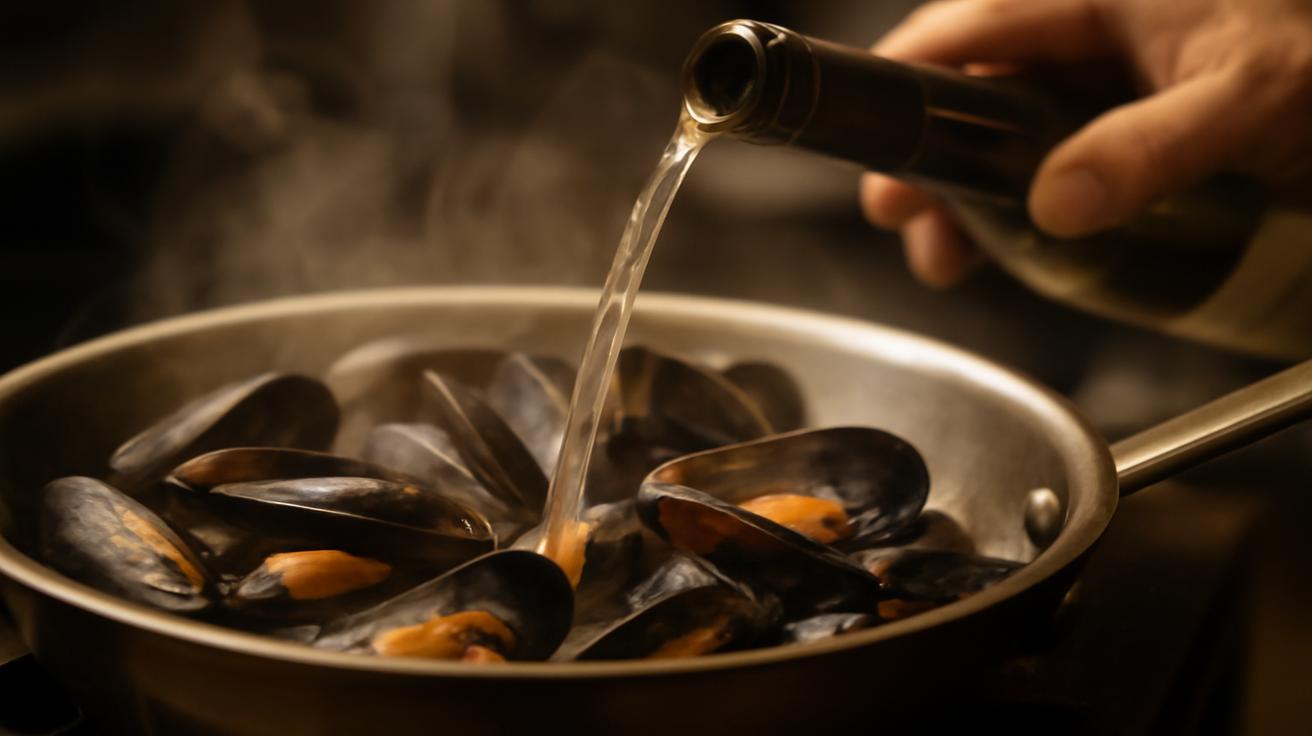
In the predawn hours of a bustling kitchen, the arrival of fresh mussels marks the beginning of culinary artistry. These bivalves, still breathing with life, cluster together in wooden crates, their shells clicking softly against one another in a rhythmic percussion that signals quality and freshness. Yet despite their prime condition, many home cooks and even professional chefs struggle with the same persistent problem: mussels that emerge from the pot tough, rubbery, and stripped of their natural tenderness.


The Common Pitfall in Mussel Preparation
Conventional cooking wisdom suggests that steaming mussels requires liquid—water, wine, or both combined into a fragrant broth. This established method has dominated kitchens for generations, passed down through family traditions and culinary schools. Yet this widely accepted approach may be precisely what ruins countless batches of shellfish annually. When moisture is added to the cooking vessel, something unexpected happens at the molecular level that transforms delicate mussel meat into an unpalatable texture.
The problem intensifies when cooks attempt to create the perfect pan sauce alongside their mussels. They add water or stock with the intention of building flavor and creating a luxurious accompaniment, not realizing that excessive moisture during the initial cooking stage begins a chain reaction. The prolonged exposure to steam and liquid heat causes the proteins in the mussel flesh to contract and tighten beyond the optimal point, resulting in a dense, chewy texture that bears little resemblance to the tender, succulent experience diners expect.
Understanding the Science Behind Texture
When examining why this happens, we must look at the biological composition of mussels themselves. These creatures spend their lives in water, filtering nutrients and developing muscle tissue optimized for aquatic environments. Their flesh contains specific proteins that respond dramatically to heat and moisture. Unlike land-based proteins that benefit from the application of liquid during cooking, mussel proteins require a different approach entirely.
Temperature control becomes secondary when excessive liquid surrounds the shellfish. Instead, the rate of heat transfer and the concentration of steam in the cooking vessel dominate the process. Traditional recipes often call for covering the pot, which traps all steam and prevents proper evaporation. This creates an environment where the mussels essentially braise rather than steam in the technical sense. The distinction might seem minor, but the culinary outcome proves dramatically different.
The Revolutionary Approach: Cooking Without Water
A contrarian philosophy has emerged from kitchens throughout Spain’s coastal regions, championed by chefs who have rejected the water-based method entirely. Their technique represents a fundamental reimagining of how seafood should be approached in professional and home kitchens alike. Rather than adding liquid to the pan before heat is applied, these culinary innovators rely on the natural moisture contained within the mussels themselves.
When mussels are heated in a dry pan or one containing minimal liquid, they begin to open naturally as their internal body temperature rises. The creature’s own fluids seep from the shells, creating a small pool of perfectly balanced, naturally salty liquid. This moisture, derived entirely from the mussel itself, contains the ideal concentration of dissolved minerals and proteins that complement rather than overwhelm the delicate flesh.
The technique requires confidence and proper execution. A heavy-bottomed pan, preferably stainless steel or cast iron, is essential. The heat should be moderately high, and the cook must resist the urge to add wine, water, or stock at the beginning. Instead, the mussels are placed directly into the dry pan and covered briefly. As they heat, the shells begin their gradual opening process, a visual indicator that the proper cooking environment has been established.
Timing and Temperature Control
Precision in timing becomes paramount when cooking without added water. The mussels should be monitored closely, with the cook checking for shell opening at regular intervals. Unlike traditional methods where cooking time might extend to five or six minutes, this technique typically requires just three to four minutes for mussels to open fully. The shortened cooking window significantly reduces the risk of overcooking, which is the primary cause of that undesirable tough texture.
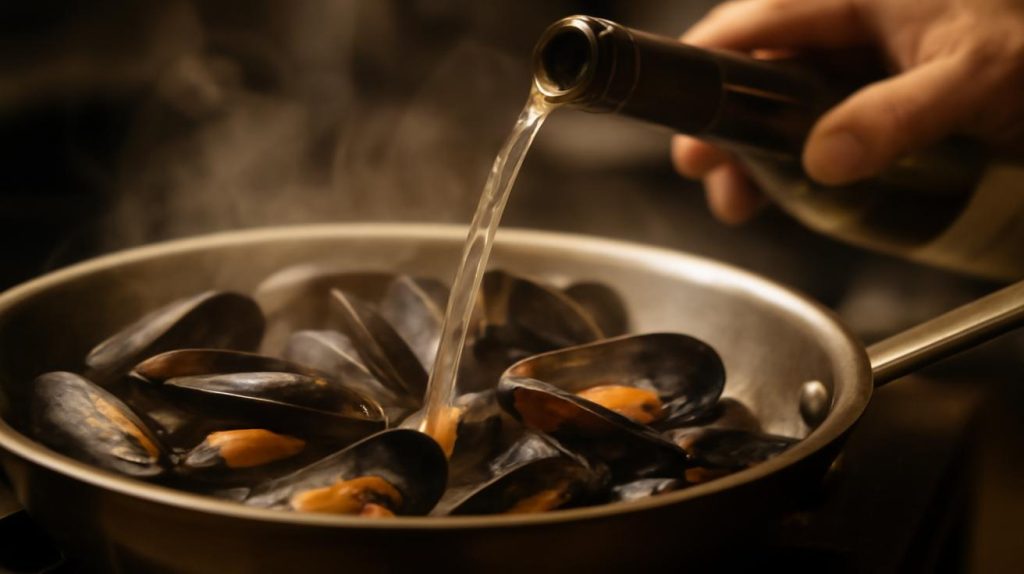
Once the shells have opened, this is the moment to add any additional flavoring elements. Wine can be introduced now, along with aromatic ingredients like garlic, shallots, or fresh herbs. The mussels are already partially cooked and have released their protective liquids, so secondary liquid additions enhance rather than dominate the final product. The subtle broth that forms provides a silky consistency and complex flavor without overwhelming the delicate seafood at its center.
Temperature management continues to be important even after the initial cooking phase. Many chefs lower the heat once the wine or additional liquids are added, allowing these new elements to warm gently and infuse the dish with flavor rather than aggressively boil the already-cooked mussels. This two-stage approach—dry cooking followed by gentle finishing—produces consistently superior results.
Selecting Quality Mussels for Success
The waterless cooking method demonstrates its greatest advantages when paired with genuinely fresh mussels. The living shellfish arrive with their shells intact and their bodies full of moisture and natural briny essence. Frozen or previously refrigerated mussels that have begun to lose their natural moisture will not perform as well with this technique, as they lack the internal liquid reserves necessary for proper cooking.
When selecting mussels at the market, look for shells that are tightly closed or that close quickly when tapped. The mussels should feel heavy for their size, indicating full bodies rather than dried-out specimens. Any that remain open after gentle tapping should be discarded before cooking begins. The quality of the starting ingredient directly impacts the success of this water-free cooking method.
Beyond the Basic Preparation
This revolutionary approach extends beyond simple steamed mussels preparations. Home cooks can adapt the dry-pan technique for use in pasta dishes, seafood stews, and sophisticated appetizers. The mussels cooked through this method absorb accompanying flavors more effectively, as their proteins have been optimized rather than damaged by excessive moisture exposure. Wines, broths, and sauces create more harmonious pairings because they’re introduced when the shellfish is most receptive to additional flavoring.
Professional chefs who have embraced this technique report increased consistency in their dish presentations. The elimination of variables associated with added water allows for more predictable cooking times and results. This consistency translates to customer satisfaction and the ability to produce restaurant-quality meals during busy service periods when attention to each dish is limited.
Bridging Traditional and Modern Culinary Methods
While this waterless approach might seem revolutionary, it actually represents a return to more fundamental cooking principles that existed before processed broths and standardized recipes became dominant in professional kitchens. Ancestral cooking methods often relied on the natural properties of ingredients rather than external additions. Modern chefs have simply rediscovered and refined these ancient techniques using contemporary knowledge of food science.
The philosophy extends beyond mussels to other shellfish and delicate proteins. Clams, scallops, and even certain fish preparations benefit from reduced added moisture and heat-based cooking methods that honor the ingredient’s natural composition. This represents a broader shift in culinary thinking—away from the notion that more is always better and toward the understanding that restraint and respect for ingredients produce superior results.
The next time you purchase fresh mussels, resist the instinct to fill your cooking vessel with water or wine before applying heat. Instead, embrace the counterintuitive approach that has transformed kitchens across Spain and is gradually gaining recognition among discerning cooks worldwide. The mussels themselves contain everything necessary for perfect preparation. The cook’s job is simply to unlock their potential through proper technique and patience.










Leave a Comment