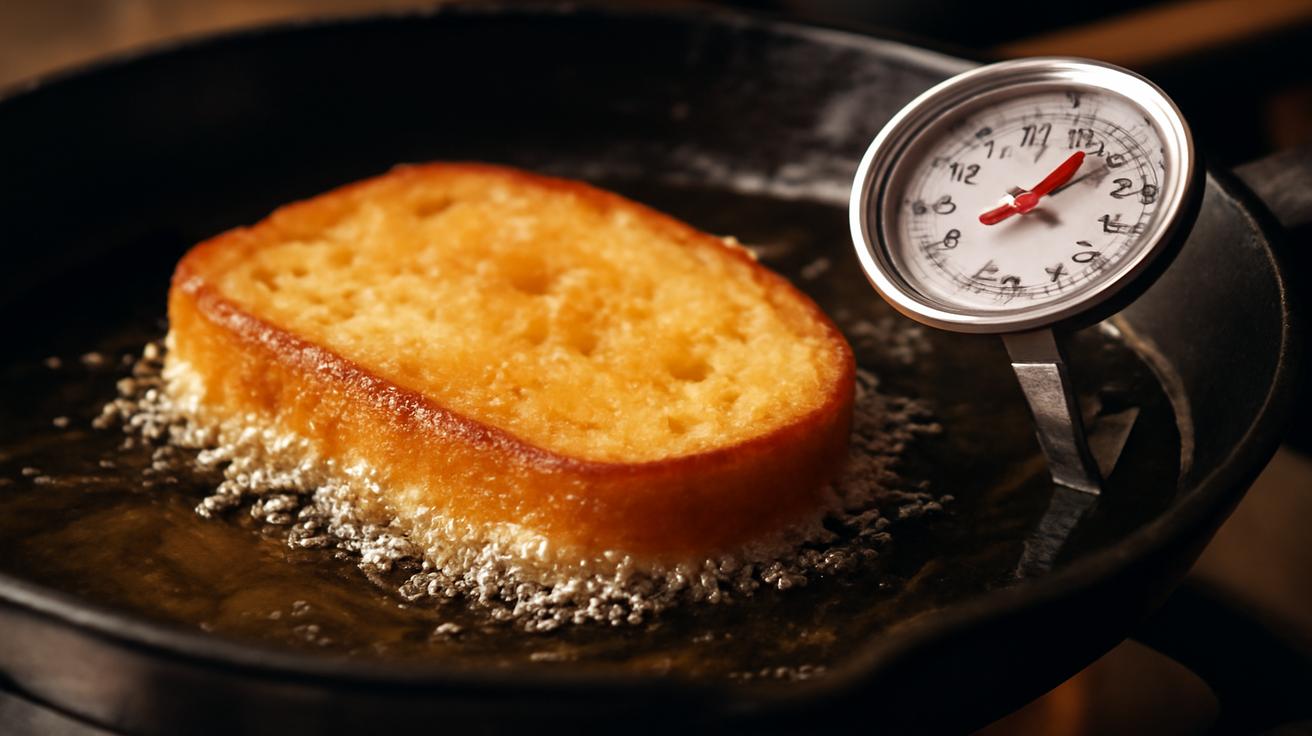
The kitchen fills with aromatic anticipation as milk infused with orange zest and cinnamon steams gently on the stovetop. Bread slices await their transformation, ready to absorb the fragrant custard. But before that first piece touches the pan, one critical element demands attention: the oil temperature. Professional chefs and culinary scientists have established precise guidelines that separate mediocre results from restaurant-quality torrijas.
Understanding the Critical Temperature Window
Torrijas, the Spanish bread custard dessert traditionally enjoyed during Easter week, require more than just hot oil. According to professional chefs interviewed about their preparation methods, the optimal frying temperature hovers between 160 and 180 degrees Celsius, or approximately 320 to 356 degrees Fahrenheit. This specific range isn’t arbitrary—it’s rooted in food science and decades of culinary practice.
The temperature must be precise because torrijas demand simultaneous achievement of multiple textural goals. The exterior needs to develop a golden-brown crust through the Maillard reaction, the chemical process responsible for browning and flavor development in cooked foods. Simultaneously, the interior must warm through without drying out, and the egg custard coating must set properly without becoming rubbery.
“If your oil is too cool, around 140 degrees Celsius, the torrijas will absorb excessive oil and become greasy,” explains culinary science expert María Rodríguez, who has studied traditional Spanish cooking methods. “Too hot, above 190 degrees, and the exterior burns before the interior warms sufficiently.”
Why This Range Matters More Than Most Realize
The difference between 160 and 180 degrees Celsius might seem negligible, but it profoundly affects the finished product. At the lower end of the range, approximately 160 degrees Celsius, the frying process takes longer, usually about 90 to 120 seconds per side. This extended time allows the egg coating to fully set and the bread to warm through gently, reducing the risk of burning the outside while leaving the interior cold.
At the higher end, around 175-180 degrees Celsius, the process accelerates dramatically. Each side requires only 45 to 60 seconds of frying time. This rapid cooking creates a crispier exterior with more pronounced browning, though it demands careful attention to prevent overdoing.
Professional pastry chefs often favor temperatures between 170 and 175 degrees Celsius as their sweet spot. This middle ground provides what experts call “optimal heat management”—sufficient intensity to create the desired crust while allowing adequate time to monitor the cooking process and adjust if necessary.
The Equipment That Makes Precision Possible
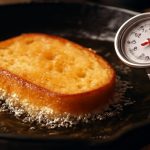
Achieving and maintaining these temperatures requires appropriate equipment. A deep-fry thermometer becomes essential, not optional. Experienced cooks understand that visual cues alone—watching for bubbles or observing oil movement—can’t reliably indicate whether oil has reached the target temperature. One degree can make the difference between success and waste.
Digital thermometers with instant-read capabilities have revolutionized home cooking. They eliminate guesswork and provide real-time feedback about oil temperature fluctuations. When torrijas enter the hot oil, the temperature naturally drops slightly as the cooler bread absorbs heat. Professional cooks maintain awareness of this phenomenon, sometimes raising the initial oil temperature to 185 degrees Celsius, anticipating the drop to approximately 170 degrees once cooking begins.
The type of oil matters equally. Chefs recommend using oils with high smoke points—the temperature at which an oil begins to break down and smoke. Sunflower oil, vegetable oil, or refined olive oil work well, each providing smoke points above 200 degrees Celsius, ensuring safety and stability throughout the frying process.
From Theory to Kitchen Practice
Understanding the temperature range represents just the beginning. Executing this knowledge consistently requires discipline and attention. Professional cooks follow specific protocols: allowing the oil to fully preheat before introducing any food, avoiding overcrowding the pan which causes temperature drops, and using appropriate utensils that don’t disturb the oil unnecessarily.
The bread preparation preceding the actual frying also influences temperature requirements. Torrija bread, traditionally soaked in the milk-cinnamon-orange mixture, absorbs liquid that affects how quickly the exterior browns. Briefer soaking periods mean less interior moisture and faster cooking, while longer soaks might warrant slightly lower temperatures to prevent burning.
“Temperature control isn’t just about the thermometer reading,” notes Chef Antonio Pérez, who has trained numerous cooks in traditional Spanish techniques. “It’s about understanding how your specific setup—your stove, your pan, your oil volume—responds to heat. A smaller pan requires different management than a large, shallow frying vessel.”
Common Temperature Mistakes and How to Avoid Them
Home cooks frequently encounter problems stemming from temperature errors. Oil that’s too cool produces torrijas that taste greasy and heavy, absorbing excessive fat before the exterior browns properly. These pieces emerge pale and limp, lacking the appealing texture and appearance that make torrijas special.
Conversely, excessively hot oil creates a false sense of rapid success. The exterior browns quickly, appearing done, while the interior remains cold or insufficiently warmed. Biting into such a torrija reveals a disappointing contrast—crispy outside masking an insufficiently heated center.
Additionally, maintaining consistent temperature proves crucial. Adding multiple torrijas simultaneously or failing to allow oil to recover between batches causes significant temperature drops. Experts recommend frying in smaller batches and allowing adequate recovery time between additions, maintaining the oil within the target range throughout the entire cooking session.
Modern Advances in Temperature Monitoring
Recent technological developments have introduced sous-vide cooking and precision frying devices to home kitchens. These tools offer unprecedented control, allowing cooks to maintain exact temperatures with minimal fluctuation. While such equipment was once restricted to professional kitchens, increasingly affordable options now make precise temperature control accessible to dedicated home cooks.
However, traditional thermometer-based methods remain reliable and accessible. The investment in a quality digital thermometer costs minimal compared to specialized frying equipment while providing decades of utility across countless cooking applications beyond torrijas.
Final Guidance from Culinary Experts
The consensus among professional chefs and culinary educators remains consistent: successful torrijas demand oil temperature between 160 and 180 degrees Celsius, with 170-175 degrees Celsius representing the optimal range for most home kitchens. This temperature window balances achieving proper browning with maintaining interior quality, minimizing the skill requirements while maximizing success probability.
Beginning cooks should start at 170 degrees Celsius, monitoring results carefully and adjusting slightly based on observations. Document your specific setup’s behavior—noting how quickly your oil browns torrijas, how the thermometer performs, and which temperature adjustments produce preferred results. This personalized knowledge transforms abstract numbers into actionable cooking wisdom.
Ultimately, respecting the science behind temperatures transforms torrijas from a potentially frustrating endeavor into a reliably successful celebration of Spanish culinary tradition. The milk-soaked bread, delicate custard coating, and spiced milk infusion deserve nothing less than the precise thermal management that brings all these elements into harmonious balance.








Leave a Comment