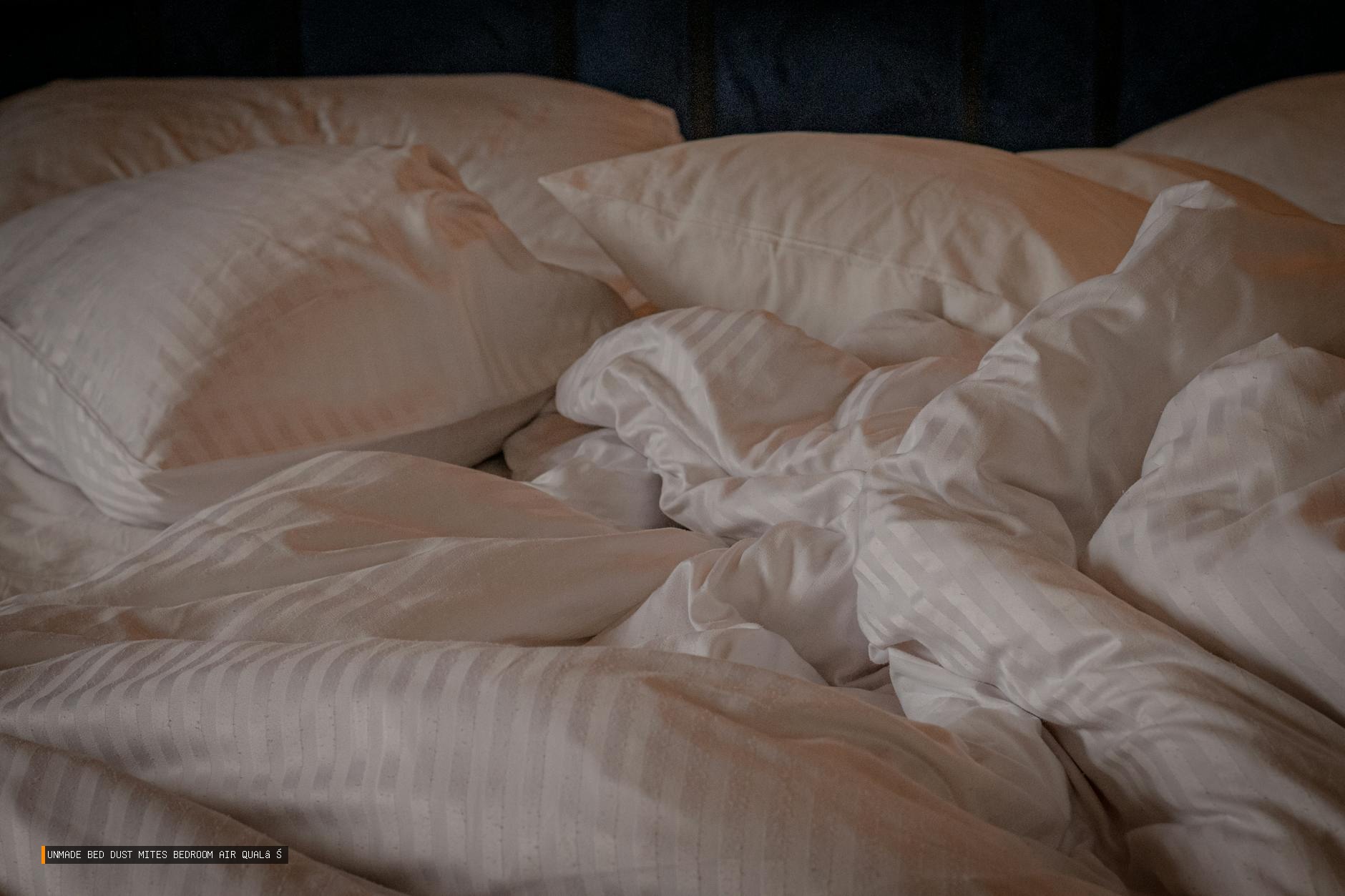
For decades, making the bed each morning felt like an essential household duty—a sign of discipline and cleanliness. But recent research into indoor air quality and dust mite ecology has challenged this conventional wisdom. Not making your bed every morning may actually offer surprising health benefits, particularly for respiratory function and indoor air quality.


The Daily Bed-Making Habit: Why We Started Doing It
The practice of making beds daily became embedded in Western culture as a marker of tidiness and personal responsibility. Parents encouraged children to straighten their sheets and fluff their pillows as a morning ritual. Military and institutional settings formalized this practice, making hospital corners and tight tucking synonymous with order and discipline. Over generations, the behavior became almost automatic—something we did without questioning its actual purpose or impact.
However, this ingrained habit rarely originated from health considerations. Instead, it developed from aesthetic preferences and cultural conditioning. The tidy appearance of a made bed satisfied our desire for orderly living spaces. Few people ever considered what happened to the microclimate within the bedding or how the structure of the bed itself might influence the organisms living there.
Understanding the Dust Mite Population in Your Mattress
Dust mites are microscopic creatures that inhabit nearly every bedroom in the world. These eight-legged arthropods feed on dead skin cells—and humans shed approximately 1.5 grams of skin daily, with a significant portion landing in bedding. A single gram of household dust contains between 100 and 500 dust mites, making mattresses and pillows ideal habitats. These creatures thrive in warm, humid environments with consistent food sources.
Dust mites themselves are not harmful, but their fecal matter and body fragments trigger allergic reactions and asthma symptoms in millions of people. These allergens are potent enough to cause inflammation in the respiratory tract, disrupting sleep quality even in individuals who don’t realize they’re allergic. The accumulation happens gradually, making the problem invisible until symptoms become noticeable.
How Humidity Creates the Perfect Breeding Ground
Temperature and humidity control dust mite populations more effectively than any other factor. Dust mites require humidity levels above 50% to survive and reproduce actively. They cannot extract water from the air or regulate their own internal moisture, making them entirely dependent on environmental conditions. In dry environments, their populations decline dramatically within weeks.
When you make your bed immediately after waking, you trap the moisture accumulated during sleep. Your body releases approximately half a liter of sweat and water vapor each night through respiration and skin evaporation. This moisture becomes trapped under tucked sheets and blankets, creating a humid microclimate that dust mites find optimal for reproduction. The made bed essentially creates a sealed incubator for these allergens.
The Role of Air Circulation
Leaving your bed unmade allows accumulated moisture to evaporate into the room, and fresh air to circulate through the bedding layers. This simple air exchange significantly reduces humidity within the mattress and between sheets. Research from Kingston University found that leaving beds unmade for at least 10 minutes after waking allowed moisture to escape naturally, reducing dust mite populations noticeably over time.
“An unmade bed allows moisture that accumulates during sleep to evaporate more quickly, creating an inhospitable environment for dust mites. This simple practice can reduce allergen concentrations by up to 80% over several weeks.” — Sleep Environment Research, Kingston University
Indoor Air Quality and Respiratory Health Implications
The connection between bedroom air quality and respiratory health extends beyond dust mite populations. Poor indoor air quality during sleep—when we spend 6-8 continuous hours in the same space—directly impacts oxygen intake and sleep architecture. Microscopic allergens suspended in air during sleep disrupt the transition between sleep stages, preventing deep restorative sleep.
When you sleep in an environment with elevated dust mite allergen concentrations, your immune system remains partially activated even during sleep. This low-grade immune response increases cortisol levels and reduces the time spent in slow-wave sleep, where most physical recovery occurs. The result is not just allergic symptoms but comprehensive sleep quality degradation.
Asthma and Allergic Responses
People with asthma or dust mite allergies experience measurable health improvements when dust mite exposure decreases. Studies show that reducing bedroom dust mite populations through environmental modifications (including improved air circulation) produces clinical benefits comparable to some medications. Nighttime asthma attacks decrease in frequency, and morning respiratory symptoms improve substantially.
Beyond active allergy sufferers, even people without diagnosed allergies benefit from lower dust mite loads. Subclinical allergic responses—reactions occurring without obvious symptoms—still trigger inflammatory markers in the bloodstream. Reducing unnecessary allergen exposure improves overall respiratory function during sleep, allowing for more efficient oxygen exchange and better recovery.
Practical Implementation: How to Leave Your Bed Unmade Effectively
The goal is not to create chaos but to optimize the microclimate within your sleeping environment. Strategic unmade beds allow proper moisture evaporation while maintaining the appearance of a reasonably organized bedroom. Implementation requires minimal effort and zero additional cost.
The Ideal Morning Routine
- Open all bedroom windows immediately upon waking to increase air circulation and humidity reduction
- Pull back the top sheet and blanket completely, exposing the mattress surface for 15-30 minutes
- If aesthetics concern you, leave the mattress exposed while you shower and dress, then pull the duvet up loosely (not tucked in) when leaving the room
- During warmer months, leave the window open throughout the day if possible
- Weekly washing of bedding in hot water (140°F or higher) kills dust mites and removes allergens regardless of bed-making practices
Creating Optimal Sleep Environment Conditions
Beyond bed-making practices, maintain bedroom humidity between 30-50% using a hygrometer to monitor levels. If your region naturally produces high humidity, use a dehumidifier during sleep hours. This single factor—humidity control—outweighs all other dust mite reduction strategies. Air purifiers with HEPA filters provide additional support, though they work best in conjunction with source reduction through improved air circulation.
Temperature matters as well. Dust mites reproduce most actively between 77-86°F (25-30°C). Sleeping in a slightly cooler room (around 65-68°F or 18-20°C) inhibits reproduction while improving sleep quality through natural circadian processes. The unmade bed’s superior temperature and humidity regulation supports this optimal sleeping environment.

Addressing Common Concerns and Misconceptions
The appearance of an unmade bed bothers many people conditioned by decades of tidiness expectations. However, there’s scientific distinction between a messy bedroom and a strategically unmade bed. An unmade bed with clean sheets, organized nightstands, and dusted surfaces presents a clean, intentional appearance—simply with exposed bedding for functional purposes.
Another concern involves bed bugs and pest attraction. Contrary to common belief, unmade beds do not increase bed bug risk. These parasites are attracted to hosts (humans), not to bedding configuration. Similarly, dust mites are present equally in made and unmade beds; the difference lies in their population growth rates, which are substantially lower in well-ventilated bedding.
Balancing Habit Change with Psychological Comfort
If the visual appearance of an unmade bed causes stress, recognize that this psychological impact might partially offset physical health benefits. Sleep quality involves both physiological and psychological factors. If leaving your bed unmade creates anxiety, you might compromise sleep through mental stress. In such cases, a compromise approach—leaving beds unmade for 30 minutes after waking, then making them loosely without tight tucking—provides most health benefits while maintaining psychological comfort.
Key Takeaways
- Leaving beds unmade for 15-30 minutes after waking allows accumulated moisture to evaporate, reducing dust mite populations by up to 80%
- Dust mite allergens directly disrupt sleep architecture and respiratory function, even in people without diagnosed allergies
- Maintaining bedroom humidity between 30-50% is the most effective dust mite control strategy
- An unmade bed with good air circulation supports deeper, more restorative sleep through improved indoor air quality
- Combining bed-leaving practices with weekly hot-water washing and room ventilation optimizes respiratory health benefits
The Shift Toward Evidence-Based Sleep Hygiene
Sleep hygiene recommendations continue evolving as research reveals the complexity of sleep environment factors. Traditional practices—many derived from cultural aesthetics rather than health science—are increasingly questioned when evidence contradicts them. The bed-making habit represents one of many inherited practices worth re-evaluating through a contemporary scientific lens.
Sleep medicine specialists increasingly recommend bedroom optimization strategies focused on temperature, humidity, light, and air quality. These fundamental environmental factors influence sleep quality more substantially than furniture arrangement or bedding appearance. As this evidence reaches mainstream health consciousness, behaviors will gradually shift toward practices supporting measurable health outcomes.
After years of automatic bed-making, questioning this habit revealed unexpected health benefits worth pursuing. Not making your bed every morning isn’t about embracing disorder—it’s about optimizing the physiological conditions that support restful sleep and respiratory health. By understanding how moisture, humidity, and dust mite populations interact within your sleeping environment, you can make intentional choices that reduce allergen exposure and improve sleep quality. The simple act of leaving your bed unmade for 30 minutes daily, combined with proper ventilation and regular washing, creates measurable improvements in indoor air quality and respiratory function. This evidence-based adjustment to your morning routine represents a meaningful shift toward sleep practices grounded in science rather than tradition.











Leave a Comment