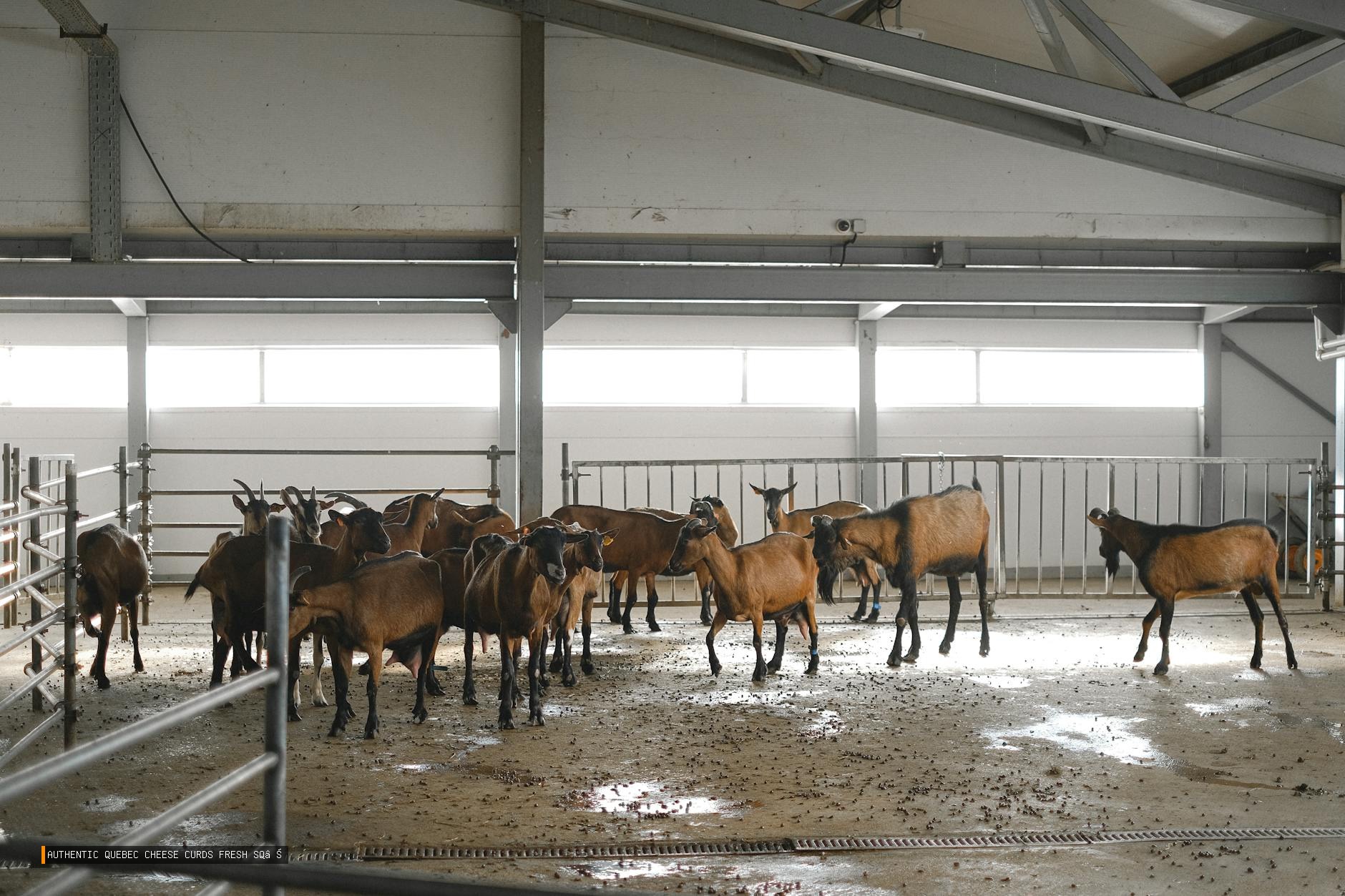
Quebec’s cheese curds, the quintessential ingredient in the beloved poutine dish, are advancing toward protected designation status. This significant development aims to safeguard the authenticity of these squeaky curds while strengthening Quebec’s culinary reputation on the global stage. The move represents a pivotal moment for regional food producers and the broader gastronomic ecosystem.

Understanding Protected Designation and Its Significance
Protected designation of origin, known as appellation contrôlée in French-speaking regions, is a certification system that guarantees a product’s geographical origin and adherence to traditional production methods. When a food product receives this classification, it signals to consumers worldwide that the item meets strict quality standards and comes from a specific geographical region.
For Quebec’s cheese curds, obtaining this status would mean establishing legally binding production criteria. These criteria would encompass milk sources, production techniques, aging processes, and texture specifications. Such protections prevent inferior imitations from being marketed under the same name, preserving consumer trust and product integrity across international markets.
The appellation contrôlée framework has proven highly successful for European products. French Camembert de Normandie, Italian Parmigiano Reggiano, and Belgian Trappist beers all benefit from similar protections. Quebec’s cheese curds joining this prestigious category would elevate the province’s food products to comparable status.
How Protected Designation Works in Practice
Once certification is granted, only producers meeting stringent requirements can label their products as authentically Quebec cheese curds. Independent inspection bodies conduct regular audits to ensure compliance. Producers must document sourcing, manufacturing dates, and quality metrics. This transparency builds consumer confidence and commands premium pricing in retail markets.
The Current State of Quebec Cheese Curds Production
Quebec produces approximately 8,000 metric tons of cheese curds annually, making it the undisputed global leader in this specialty. The province’s dairy industry employs over 7,500 workers directly and supports thousands more through related sectors. Cheese curds contribute significantly to Quebec’s agricultural exports and culinary tourism revenue.
However, the market faces challenges from producers outside Quebec who manufacture inferior products using the same name. These unauthorized producers compromise authenticity and dilute brand value. Mass-produced curds from distant regions often lack the characteristic squeaky texture and fresh flavor profile that distinguish genuine Quebec curds. The protected designation initiative directly addresses these competitive pressures.
Regional Producer Perspectives
Cheesemakers across Quebec support the protected designation drive. Smaller artisanal producers view it as essential protection against corporate competitors using aggressive pricing strategies. Larger dairy cooperatives recognize that certification enhances market positioning and export opportunities. Industry representatives cite international examples where protected status doubled product prices within five years.
Key Stakeholders Driving the Appellation Initiative
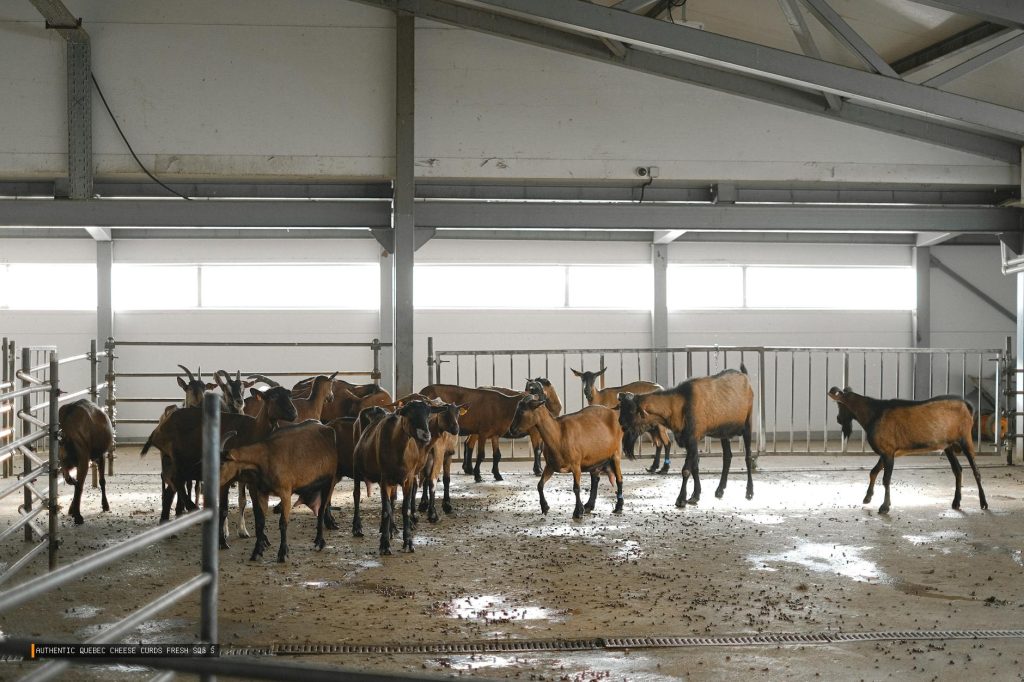
Multiple organizations collaborate to advance Quebec cheese curds toward protected designation. The Dairy Farmers of Quebec coordinate production standards and quality benchmarks. The Union des Producteurs Agricoles advocates for member interests and represents producers in regulatory discussions. Regional tourism boards emphasize the economic benefits of food-based destination marketing.
Government agencies at provincial and federal levels provide technical expertise and regulatory guidance. The Quebec Ministry of Agriculture evaluates production criteria for compliance with international standards. Federal officials at Agriculture and Agri-Food Canada facilitate international recognition and trade negotiations. This multi-level governmental support demonstrates serious commitment to the initiative’s success.
Academic and Research Contributors
- Université Laval’s School of Nutrition conducts microbiological analysis and quality assurance research
- McGill University evaluates sensory characteristics and texture preservation methods
- Food science laboratories document traditional production techniques used by established manufacturers
- Independent certification bodies prepare audit frameworks and compliance protocols
Economic Impact and Market Projections
Protected designation status typically increases product prices by 15-30% in premium retail segments, while supporting rural employment and regional agricultural development.
Industry analysts project significant economic benefits from protected designation. The global specialty cheese market grows at 6.5% annually, with protected products commanding premium positioning. Quebec cheese curds, once officially certified, could capture expanded market share in North American restaurants and specialty food retailers. European markets, where appellation products enjoy strong consumer recognition, represent untapped export opportunities.
Small-scale artisanal producers stand to gain considerably. The certification process inherently favors quality over quantity, allowing premium manufacturers to differentiate offerings and achieve higher profit margins. Tourism-related demand would also intensify, as culinary tourists specifically seek authentic regional foods with documented heritage and protected status.
Employment and Regional Development
Protected designation could stimulate job creation across supply chains. Dairy farms supplying certified producers might expand operations. Quality control positions would multiply. Marketing and export roles would increase. Rural communities dependent on dairy industries would experience economic revitalization. Regional restaurants emphasizing local ingredients would attract more customers specifically seeking authentic Quebec cheese curds.
Production Standards and Certification Criteria
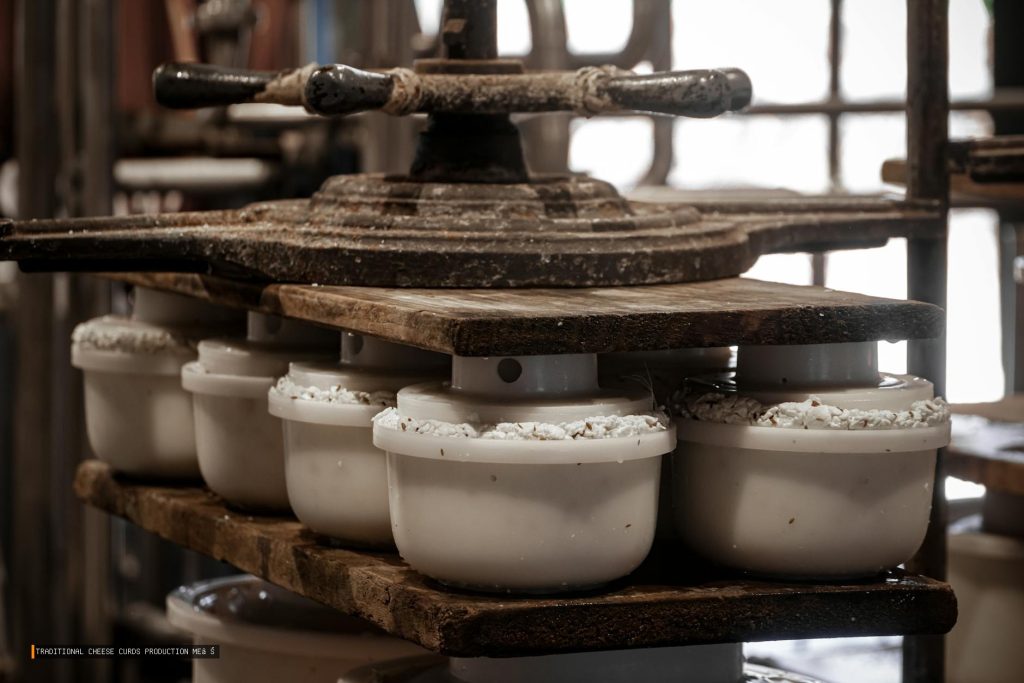
The proposed appellation contrôlée framework establishes specific production requirements. Milk must originate from dairy farms within Quebec’s geographic boundaries. Production facilities must maintain documented hygiene protocols and temperature controls. Curds must achieve the characteristic squeaky texture when chewed, resulting from specific curd cutting and heating processes.
Aging periods are precisely defined. Fresh curds must reach market within days of production, while aged varieties follow established timelines. Salt content, moisture levels, and whey separation procedures follow traditional methods refined over decades. These standardized specifications ensure consistent quality regardless of which certified producer manufactures the curds.
- Milk sourcing: Quebec dairy farms exclusively
- Production temperature: Controlled heating to exact specifications
- Curd size: Defined dimensions for texture consistency
- Aging duration: Fresh or aged varieties with specific timeframes
- Quality testing: Regular microbiological and sensory evaluations
- Packaging: Labeling requirements identifying certification status
International Recognition and Trade Advantages
Protected designation facilitates international trade negotiations and market access agreements. Countries with reciprocal appellation frameworks recognize Quebec’s certifications, streamlining customs processes and reducing regulatory barriers. European retailers increasingly demand verified geographic origin documentation, making appellation status essential for market penetration.
The Comprehensive Economic and Trade Agreement between Canada and Europe includes provisions supporting protected designation products. Once certified, Quebec cheese curds gain favorable positioning in EU markets previously dominated by imported products lacking authentication credentials. Asian markets, experiencing rising demand for premium North American foods, actively seek certified heritage products with documented production integrity.
Consumer Education and Marketing Opportunities
Protected designation certification enables compelling consumer marketing narratives. Producers can communicate specific heritage stories, family farming traditions, and artisanal production methods. Educational campaigns highlight the cultural significance of cheese curds within Quebec identity and Canadian cuisine. Consumers increasingly value authenticity and geographic origin, making appellation certification a powerful brand differentiator.
Restaurant menus can emphasize the certified status, justifying premium pricing while educating diners about quality distinctions. Culinary tourism amplifies when destinations offer authentic, verifiable local products. Food festivals celebrating Quebec cheese curds gain credibility through certification. Social media campaigns documenting production processes resonate with audiences seeking transparency and traditional methods.
Key Takeaways
- Quebec cheese curds are advancing toward protected designation status, safeguarding authenticity and regional authenticity
- Appellation contrôlée certification strengthens market positioning against inferior imitations from outside the province
- Multiple stakeholders including dairy producers, government agencies, and research institutions collaborate on standardization
- Protected designation typically increases product prices 15-30% while stimulating rural employment and culinary tourism
- Certification facilitates international trade and positions Quebec curds competitively in premium global markets
Challenges and Implementation Timeline
The certification process requires 18-36 months of regulatory review and stakeholder consultation. Producer compliance varies, as smaller manufacturers may lack resources for extensive documentation. Harmonizing diverse production methods while maintaining quality standards presents technical challenges. International negotiations with trading partners must confirm mutual recognition agreements.
Some producers initially resist standardization, perceiving it as governmental overreach. Educational initiatives help stakeholders understand long-term benefits outweighing short-term compliance costs. Technical assistance programs support smaller producers in meeting requirements. Phased implementation allows gradual adjustment rather than abrupt mandate enforcement.
Quebec’s cheese curds moving toward protected designation status marks a transformative moment for regional gastronomy and agricultural identity. This appellation contrôlée certification will preserve the authenticity of these iconic curds while positioning Quebec as a serious player in premium specialty cheese markets globally. The initiative demonstrates how regional food traditions, modern regulatory frameworks, and strategic marketing converge to create sustainable economic value. As the process advances, Quebec cheese curds will join an elite category of internationally recognized foods with documented heritage and uncompromising quality standards.










Leave a Comment