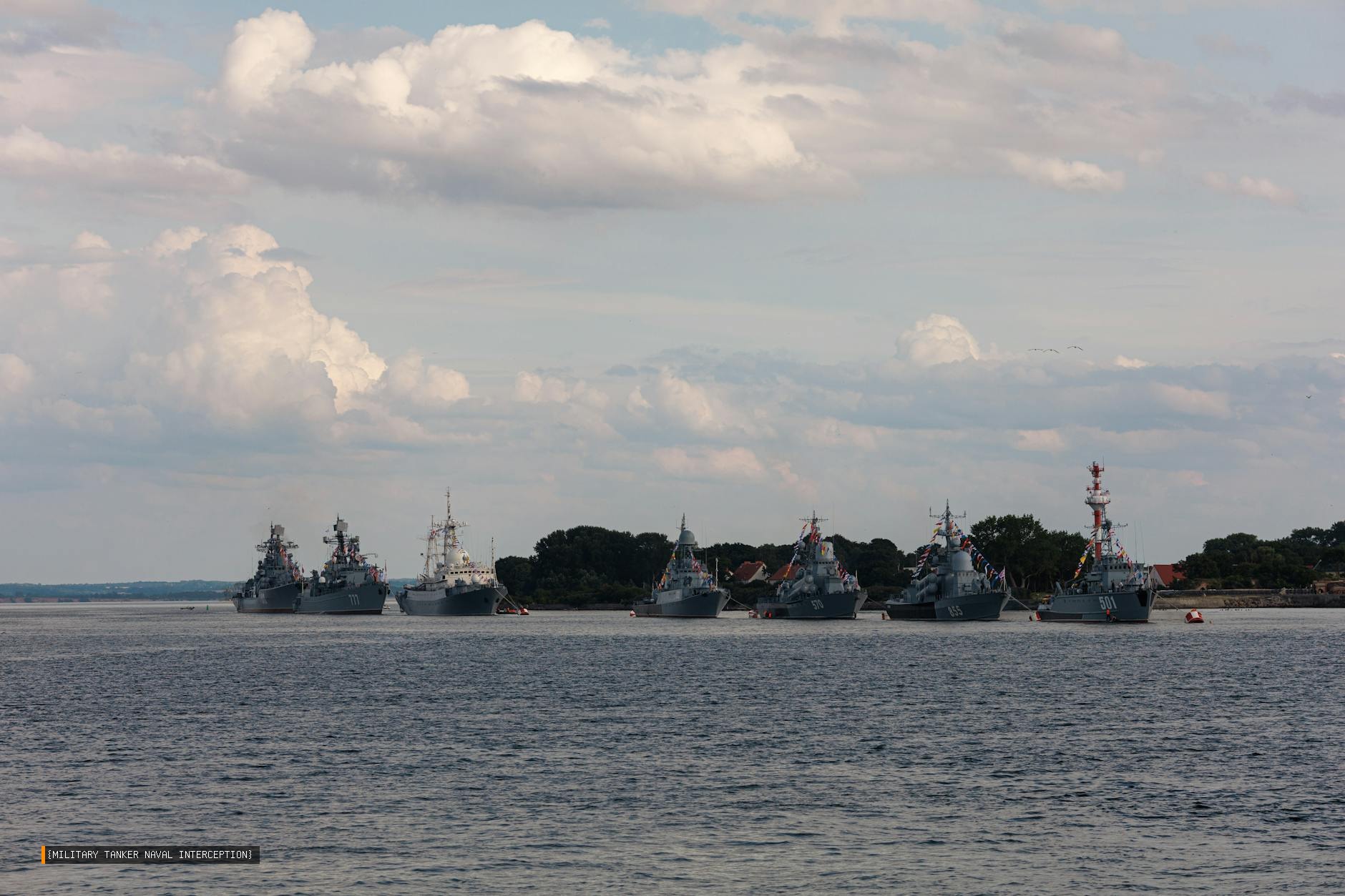
In a significant joint military operation, the armed forces of France and Belgium successfully intercepted the MT Ethera, a petroleum tanker allegedly belonging to Russia’s shadow fleet, in waters off the North Sea. This coordinated enforcement action represents an escalation in international efforts to disrupt unconventional maritime trade networks that circumvent European Union sanctions against Russian energy exports.
Understanding the Russian Shadow Fleet
Russia’s shadow fleet operates outside conventional international maritime oversight mechanisms. Following stringent EU sanctions on Russian oil exports implemented in response to geopolitical tensions, Moscow developed an alternative shipping network using aged vessels and obscure corporate registrations. These ships transport Russian crude oil and petroleum products while deliberately avoiding detection and regulatory scrutiny.
The shadow fleet strategy emerged as a workaround to price caps and embargoes. By utilizing vessels with unclear ownership structures and frequently changing registrations, Russian operators attempt to mask the origin and destination of energy shipments. Intelligence agencies across NATO member states have identified dozens of vessels engaged in these activities, making detection and interdiction critical priorities.
How Shadow Fleet Operations Function
Shadow fleet vessels employ several evasion techniques. Ship-to-ship transfers occur in international waters to obscure cargo origins. Automatic Identification System (AIS) transponders are frequently disabled. Corporate ownership chains span multiple jurisdictions, complicating attribution efforts. These tactics complicate enforcement by maritime authorities attempting to verify cargo legitimacy and enforce sanctions compliance.
Operation Blue Intruder: Key Details
The operation, designated as Operation Blue Intruder by coordinating authorities, involved close cooperation between French naval forces and Belgian maritime units. Intelligence coordination between the two nations’ defense ministries provided actionable information regarding the MT Ethera’s positioning and movements in the North Sea. The interception required precise timing and coordination to execute effectively while maintaining operational security.
French Navy vessels tracked and approached the tanker after receiving intelligence briefings. Belgian forces provided supporting coordination and logistical assistance throughout the operation. The successful boarding and temporary seizure of the vessel demonstrates enhanced European maritime surveillance capabilities and willingness to take direct action against sanctions violators. Personnel involved in the operation conducted thorough inspections to document cargo specifications and ownership documentation.
Operational Coordination Framework
- Real-time intelligence sharing between French and Belgian defense agencies
- Coordinated naval asset positioning in strategic North Sea corridors
- Documentation protocols for evidence collection and legal proceedings
- Communication with EU maritime authorities for compliance verification
- Contingency planning for potential resistance or evasive maneuvers
European Union Sanctions Framework and Enforcement
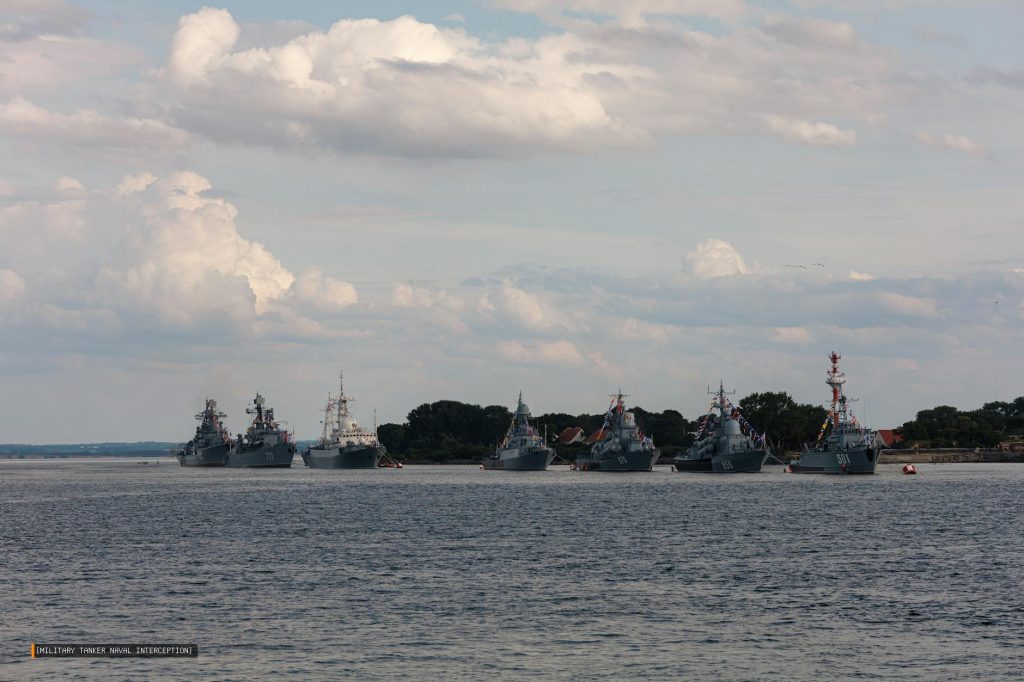
The European Union implemented comprehensive energy sanctions targeting Russian oil and petroleum products in response to ongoing geopolitical developments. These measures include price caps on Russian crude oil, restrictions on insurance and shipping services, and prohibitions on European entities engaging in Russian energy trade. Enforcement mechanisms vary across member states, but coordinated operations like Blue Intruder represent unified commitment to sanctions compliance.
“Coordinated maritime enforcement operations demonstrate that European nations possess both the technological capabilities and political will to disrupt shadow fleet activities and enforce economic sanctions effectively,” according to international maritime policy observers.
Member states have established dedicated task forces focused on shadow fleet detection and interdiction. These units combine satellite surveillance, signals intelligence, and maritime vessel monitoring to identify suspicious shipping patterns. The MT Ethera interception reflects months of intelligence gathering and analysis culminating in decisive action.
Enforcement Mechanisms
- Vessel documentation verification and ownership investigation
- Cargo analysis and source verification procedures
- Insurance and financing chain examination
- Crew interrogation and crew records review
- Formal violation documentation for judicial proceedings
- Asset seizure or vessel immobilization authority
Broader Implications for Maritime Security
The successful operation signals strengthened European maritime security posture. France and Belgium’s joint effort represents broader NATO alliance coordination in response to sanctions evasion. Intelligence sharing between allied nations enables more effective identification and interdiction of vessels engaged in prohibited activities. The operation demonstrates that European maritime authorities possess sufficient resources and political mandate to enforce sanctions consistently.
Shadow fleet activities pose secondary risks beyond sanctions evasion. Aging vessels operating outside regulatory frameworks present environmental hazards and maritime safety concerns. Accident risks increase when tankers operate with disabled safety monitoring systems or minimal crew qualifications. European environmental agencies express concern regarding potential ecological damage from incidents involving unregulated shadow fleet vessels.
Strategic Consequences
The interception creates deterrent effects across the shadow fleet network. Operators face increased operational costs when accounting for heightened interception risks. Insurance premiums rise for vessels engaged in sanctions-adjacent activities. Route optimization becomes more complex when established corridors face enhanced enforcement. These cumulative pressures degrade the economic viability of shadow fleet operations, reducing participation levels among operators.
International Legal Dimensions
The interception raises complex maritime law questions. International waters typically fall outside sovereign jurisdiction, limiting enforcement authority. However, EU member states assert enforcement rights based on sanctions violation jurisdiction and flag state provisions. Legal frameworks governing vessel seizure, cargo impoundment, and crew detention remain contested in international maritime law contexts.
The MT Ethera case may set precedent regarding enforcement jurisdiction and legal procedures. Documentation quality and procedural adherence during interdiction operations directly influence subsequent judicial proceedings. Legal experts monitor these developments closely, as they establish operational standards for future shadow fleet enforcement actions across European maritime zones.
Future Enforcement Outlook
Operation Blue Intruder signals intensified enforcement trajectories across European maritime authorities. Additional joint operations are anticipated as intelligence sharing improves and detection capabilities advance. NATO coordination frameworks continue evolving to address unconventional maritime challenges. European defense budgets increasingly allocate resources toward maritime surveillance infrastructure and personnel training.
The shadow fleet phenomenon persists despite enforcement efforts, indicating sustained Russian commitment to circumventing sanctions. Consequently, European nations anticipate prolonged enforcement requirements. Technology investments in satellite surveillance, AI-powered vessel tracking, and autonomous monitoring systems represent strategic priorities. Enhanced international cooperation, particularly through NATO and EU coordination mechanisms, will likely expand in coming months and years.
Key Takeaways
- France and Belgium successfully intercepted the MT Ethera, a Russian shadow fleet tanker, in coordinated North Sea operations
- Shadow fleet vessels employ evasion tactics including disabled transponders, corporate ownership obfuscation, and offshore transfers
- Operation Blue Intruder demonstrates strengthened European maritime surveillance and enforcement capabilities against sanctions violators
- EU sanctions framework includes price caps, service restrictions, and entity prohibitions targeting Russian energy exports
- Future enforcement operations will likely expand as European nations invest in detection technology and international coordination mechanisms
The interception of the MT Ethera by French and Belgian forces represents a watershed moment in international enforcement of Russian shadow fleet sanctions. This operation underscores Europe’s commitment to disrupting unconventional maritime networks circumventing energy restrictions. As Russia continues developing shadow fleet strategies, European nations must maintain sustained enforcement pressure through coordinated operations, enhanced intelligence sharing, and technological investment. The success of Operation Blue Intruder provides a replicable model for future interceptions and demonstrates that unified multilateral action can effectively constrain sanctions evasion activities in maritime domains.











Leave a Comment