When it comes to preparing authentic ceviche, timing isn’t just important—it’s everything. Toque y Sazón, a recognized authority in traditional Mexican cuisine, emphasizes one critical rule that separates mediocre ceviche from restaurant-quality dishes: the fish should never remain in lime juice for more than three minutes. This simple yet transformative guideline has become the foundation of expert ceviche preparation across Mexico and beyond.

Understanding the Science Behind the 3-Minute Rule
The magic of ceviche lies in a process called denaturing—the chemical transformation of raw fish proteins when exposed to citric acid. Unlike cooking with heat, lime juice causes the proteins to coagulate and firm up, creating the characteristic firm texture that defines authentic ceviche. However, this process is remarkably fast. Once the citric acid contacts the fish, the proteins begin changing structure immediately, and the transformation reaches its optimal point at approximately three minutes.
Leaving fish in lime juice beyond this window creates several problems. The acid continues breaking down the proteins, causing the fish to become mushy and develop an undesirable texture. The delicate flavor profile becomes overwhelmed by excessive acidity. The fish loses its natural sweetness and appealing appearance. Professional chefs recognize this narrow window as the critical factor separating amateurs from experts in ceviche preparation.
What Happens in the First Minute
During the initial sixty seconds, the lime juice creates a gentle transformation on the fish’s exterior. The proteins on the surface begin firming while the interior remains tender and raw. This is why fresh, high-quality fish is absolutely essential—the brief contact time means the acid doesn’t penetrate deeply enough to mask inferior products. The color shifts from translucent to opaque as the denaturation process accelerates.
The Critical Two to Three Minute Window
Between minutes two and three, the fish reaches its ideal state. The exterior is fully set with a firm, pleasant texture. The center maintains its delicate consistency without becoming tough. The lime flavor has permeated the fish without overwhelming its natural taste. This is the moment when ceviche achieves perfect balance—something that takes years of experience to recognize consistently.
Why Mazatlán Does It Differently (And Why That Matters)
Toque y Sazón’s respectful nod to Mazatlán reflects a crucial reality in Mexican cuisine: regional variations exist and deserve acknowledgment. Mazatlán, a coastal city famous for its seafood traditions, sometimes employs longer marinating times. Some local preparations allow ceviche to sit for five to ten minutes, arguing that extended acid exposure creates different flavor development and texture preferences.
These regional differences aren’t wrong—they’re simply different culinary philosophies. Mazatlán’s approach reflects local taste preferences and ingredient quality available in that specific region. However, Toque y Sazón’s three-minute standard represents the technique that has gained international recognition and consistency. It’s the method taught in professional culinary schools and practiced in Michelin-recognized Mexican restaurants worldwide.
Regional Ceviche Variations Across Mexico
- Baja California style: Often uses 2-3 minutes for delicate, tender results
- Veracruz tradition: May incorporate longer marinating with additional spices
- Yucatán preparation: Typically shorter times with unique citrus combinations
- Pacific coast methods: Varies by local ingredient availability and preferences
Step-by-Step Guide to Perfect 3-Minute Ceviche
“The three-minute rule isn’t arbitrary—it’s rooted in food chemistry and decades of culinary refinement. Respecting this timing separates professionals from home cooks who guess at results.” — Toque y Sazón
Preparing authentic ceviche using the three-minute technique requires precision and attention to detail. Begin with the finest quality fish available—preferably sushi-grade or explicitly sold for raw consumption. Fresh fish should smell like ocean brine, never fishy or ammonia-like. The texture should be firm and spring back when gently pressed.
Essential Ingredients for Authentic Preparation
- 1.5 pounds fresh firm white fish (sea bass, halibut, or snapper)
- 1 cup fresh lime juice (approximately 8-10 limes)
- 1 medium red onion, thinly sliced
- 2-3 jalapeños or serrano peppers, minced
- 1/4 cup fresh cilantro, chopped
- 1 avocado, cubed (add just before serving)
- Sea salt and black pepper to taste
- Optional: diced tomato for texture variation
The Three-Minute Execution Process
Cut fish into uniform half-inch cubes—consistent sizing ensures even acid exposure. Place fish in a non-reactive bowl (glass or ceramic, never metal). Pour fresh lime juice over the fish, ensuring complete coverage. Gently stir to coat all pieces evenly. Set a timer for exactly three minutes. During this waiting period, prepare your other ingredients separately—never let them marinate in the lime juice.
At the three-minute mark, immediately strain the lime juice through a fine mesh sieve. The fish should be opaque on the outside with a tender interior. Add your fresh vegetables, cilantro, and seasonings. Gently fold everything together. Taste and adjust salt and pepper as needed. Add avocado at the very last moment to prevent browning. Serve immediately while everything is perfectly chilled.
Common Mistakes That Ruin Ceviche
Home cooks often make predictable errors that transform quality ingredients into disappointing dishes. Understanding these pitfalls helps anyone achieve restaurant-quality results. The most common mistake is exceeding the three-minute mark, resulting in mushy, overcooked-tasting fish. Another frequent error involves using subpar fish or fish not intended for raw consumption, which creates food safety risks and unpleasant flavors.
Mixing vegetables with the fish during marinating is another critical error. The lime juice affects vegetables differently than fish, causing cucumbers to soften and onions to become too sharp. Additionally, many cooks add avocado too early, resulting in brown, oxidized fruit that ruins the presentation and flavor. Temperature control matters significantly—ceviche must be prepared and served very cold, which means chilling all ingredients and serving bowls beforehand.
Ingredients That Should Never Marinade Together
- Avocado—adds at serving time only
- Fresh tomatoes—add after draining lime juice
- Cilantro—incorporates at the end to prevent bruising
- Soft herbs—tender leaves should never sit in acidic liquid
- Optional garnishes—keep separate until plating
Ceviche for Lenten Season: Tradition and Nutrition
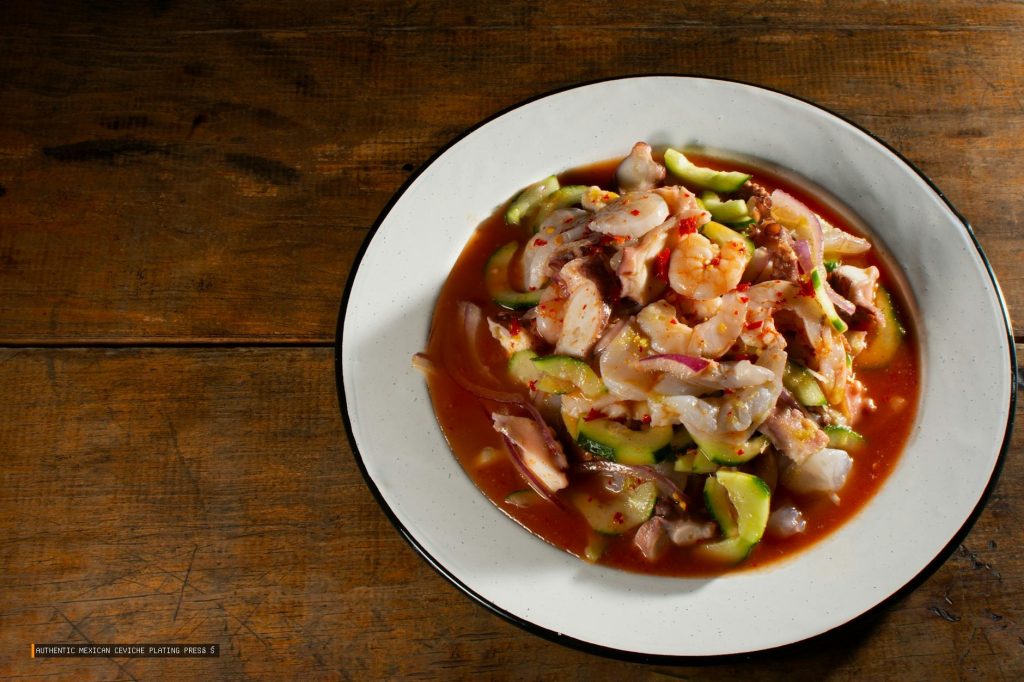
During Mexico’s Lenten season, ceviche holds special cultural significance. This raw fish dish offers a sophisticated alternative to traditional meat-based meals, making it perfect for religious observances. Nutritionally, ceviche provides exceptional value—raw fish retains more omega-3 fatty acids, vitamins, and minerals than cooked preparations. The lime juice adds vitamin C and aids mineral absorption.
The three-minute preparation becomes especially important during Lenten celebrations, where large quantities are often prepared for family gatherings and religious events. Maintaining consistent technique ensures that ceviche served to many guests maintains uniform quality. Professional cooks preparing ceviche for Lenten meals often work in batches, timing each preparation carefully to ensure everything is finished simultaneously.
Sourcing Quality Fish for Home Preparation
Finding appropriate fish for ceviche requires understanding what makes certain species ideal. The fish must be fresh enough for raw consumption, firm enough to maintain texture during preparation, and flavorful enough to shine in a simple preparation. Establish relationships with reputable fishmongers who understand the distinction between “fresh” and “sushi-grade” fish. Ask about the fish’s origin, when it was caught, and whether it’s been properly frozen and thawed.
Freezing actually serves an important food safety function—most sushi-grade fish has been frozen at specific temperatures to eliminate parasites. Home cooks should never attempt to freeze fish themselves without proper equipment. Always purchase fish that’s already been professionally frozen and thawed. If possible, buy your fish the same day you plan to prepare ceviche. Keep it on ice until preparation time, and maintain cold temperatures throughout the entire process.
Key Takeaways
- The three-minute lime juice rule is scientifically grounded in protein denaturation chemistry and represents the optimal window for texture and flavor
- Regional variations like Mazatlán’s approach exist legitimately, but the three-minute standard is recognized internationally as the mark of professional preparation
- Precise timing, quality ingredients, and proper sequencing of component additions are essential for authentic ceviche preparation
- Ceviche is particularly suited to Lenten observances, offering nutritional benefits and cultural significance in Mexican tradition
- Source fish specifically labeled sushi-grade from reputable fishmongers, and maintain proper cold temperatures throughout preparation and serving
The three-minute ceviche rule isn’t merely tradition—it’s the result of culinary chemistry, decades of professional experience, and cultural refinement. Whether you’re preparing ceviche for a Lenten celebration or simply seeking to master an iconic Mexican dish, respecting this critical timing will transform your results. Toque y Sazón’s respectful acknowledgment of regional variations while championing the three-minute standard reflects mature culinary understanding. The next time you prepare ceviche, set your timer, trust the process, and discover why this simple rule separates mediocre dishes from authentic excellence that rivals coastal Mexico’s finest preparations.










Leave a Comment