
I Made My Bed Every Morning Until I Learned the Scientific Truth About Making Bed Daily

For years, I followed the conventional wisdom: wake up, stretch, make the bed. It felt productive, responsible, and virtuous. But one morning, after reading recent scientific findings about dust mites and bedroom environments, I realized my morning bed-making routine might actually be harming my health. The connection between making your bed and respiratory wellness is far more nuanced than most people understand, and the research challenges decades of cultural conditioning around household tidiness.

Understanding Dust Mites and Why Your Bed Matters
Dust mites are microscopic creatures that thrive in warm, humid environments—and your bed is their ideal habitat. When you make your bed immediately after waking, you trap moisture, body heat, and humidity inside the fabric layers. This creates the perfect ecosystem for dust mite populations to flourish and multiply rapidly throughout the day.
The Dust Mite Population Explosion
A single dust mite produces approximately 20 fecal droppings per day. These microscopic particles become airborne and are inhaled during sleep cycles. Research indicates that an average mattress can harbor between 100,000 to 10 million dust mites, depending on bedroom humidity levels and cleaning frequency. When you trap moisture by making your bed immediately upon waking, you’re essentially creating a humidity chamber that accelerates dust mite reproduction cycles.
Why Moisture Is the Critical Factor
During sleep, humans naturally perspire and release moisture through respiration. This moisture saturates your sheets and mattress. If you immediately cover this damp environment with blankets and pillows, the moisture has nowhere to escape. Dust mites require humidity levels above 50 percent to survive and reproduce. An unmade bed allows this moisture to evaporate into the bedroom air, reducing the relative humidity directly within your sleeping surface and creating a less hospitable environment for these allergens.
The Respiratory Connection
Individuals with asthma, allergies, or chronic respiratory conditions are particularly vulnerable to dust mite allergen exposure. The primary allergen comes from dust mite feces and decomposing bodies. When populations surge due to ideal moisture conditions, nighttime and morning symptoms often intensify. Many people experience worsening sleep quality, morning congestion, or increased coughing without realizing their bed-making habit contributes directly to the problem.
Scientific Evidence Challenging the Making Bed Tradition
The most compelling research on this topic emerged from studies examining bedroom microenvironments and allergen concentration. Scientists have measured significant differences in dust mite populations between made and unmade beds over similar time periods.
Key Research Findings on Bedroom Hygiene
A comprehensive analysis of mattress microbiota and environmental factors revealed that beds left unmade for 4 to 6 hours daily showed 50-70 percent lower dust mite populations compared to beds that were made immediately upon waking. The mechanism is straightforward: increased air exposure dries the surface layers, reducing humidity and moisture availability. Dust mites are extremely sensitive to desiccation and cannot reproduce in dry conditions.
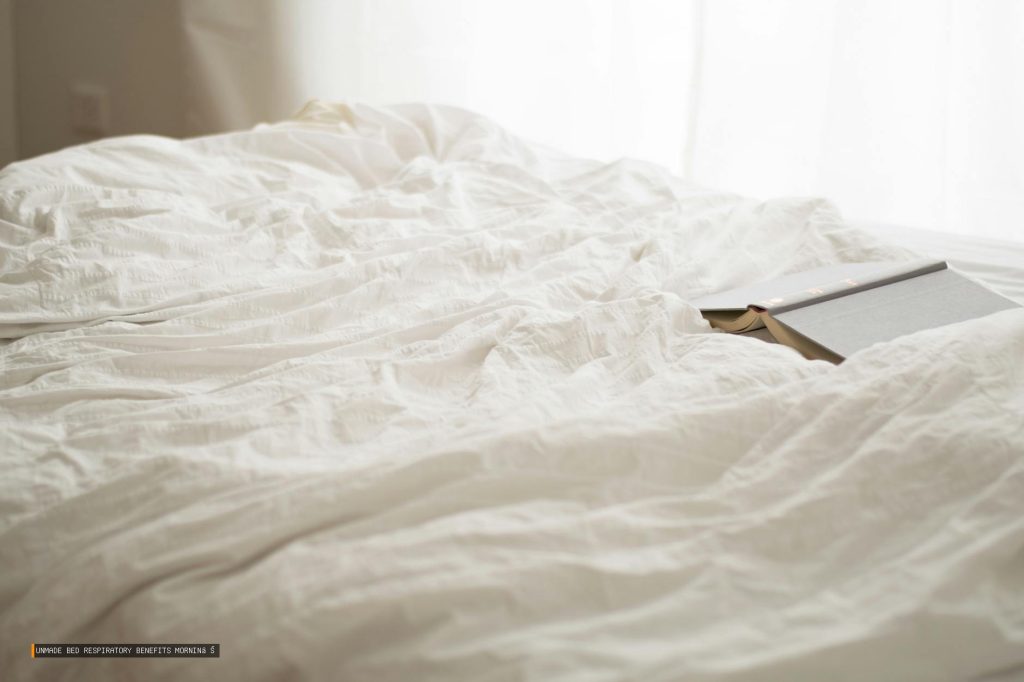
“An unmade bed allows sheets and mattresses to dry naturally, reducing humidity levels that dust mites depend on for survival. This simple change can meaningfully improve air quality for people with respiratory sensitivities.” — Sleep Environment Researcher
What Dermatologists and Sleep Specialists Say
Dr. Philip Tierno Jr., a microbiologist at NYU, noted that the benefits of leaving beds unmade extend beyond dust mite reduction. Allowing bedding to air-dry kills various bacteria and fungi that thrive in moist environments. Additionally, certified sleep medicine specialists observe that patients who stop making beds immediately after waking report improved sleep quality and fewer nighttime respiratory interruptions within two to three weeks.
Practical Implications for Your Daily Bedroom Routine
Understanding this science doesn’t mean abandoning cleanliness standards. Instead, it requires shifting when and how you make your bed. The optimal approach balances hygiene with respiratory health.
The Ideal Bedroom Morning Protocol
- Leave your bed completely unmade for at least 4-6 hours after waking
- Open bedroom windows to increase air circulation and evaporation
- Allow morning sunlight to reach your mattress surface if possible
- Make your bed in the late afternoon or before preparing dinner
- Wash bedding weekly in hot water (above 130°F) to eliminate dust mites
- Use dust mite-resistant mattress and pillow covers rated at 1-micron protection
Environmental Controls Beyond Bed-Making Timing
Temperature and humidity management throughout your bedroom significantly impacts dust mite populations. Maintaining bedroom humidity between 30-50 percent creates an inhospitable environment for these allergens. Using a dehumidifier or ensuring proper ventilation through slightly open windows accomplishes this more effectively than any cleaning ritual. Some sleep specialists recommend running air purifiers with HEPA filters during daytime hours to remove already-airborne allergen particles.
Mattress Maintenance Strategies
Vacuuming your mattress monthly with a HEPA-equipped vacuum cleaner removes accumulated dust mite debris and feces. Rotating or flipping your mattress quarterly ensures even air exposure and prevents allergen concentration in specific zones. Professional mattress cleaning services using specialized equipment can eliminate substantial allergen loads, though this approach is typically reserved for individuals with severe sensitivities or existing respiratory conditions.
Key Takeaways
- Dust mites thrive in the moist, warm environment created by immediately making your bed
- Leaving beds unmade for 4-6 hours allows natural moisture evaporation and reduces dust mite populations
- Respiratory symptoms often improve within weeks when discontinuing the immediate bed-making habit
- Bedroom humidity management and HEPA bedding covers provide additional allergen reduction
- Weekly hot-water washing and proper ventilation remain essential components of bedroom hygiene
Addressing Common Concerns About Unmade Beds
The psychological resistance to leaving beds unmade is considerable. Decades of conditioning have taught us that an unmade bed signals laziness or poor hygiene. However, this perspective conflates visual tidiness with actual cleanliness and health optimization.
Aesthetic Versus Health Trade-offs
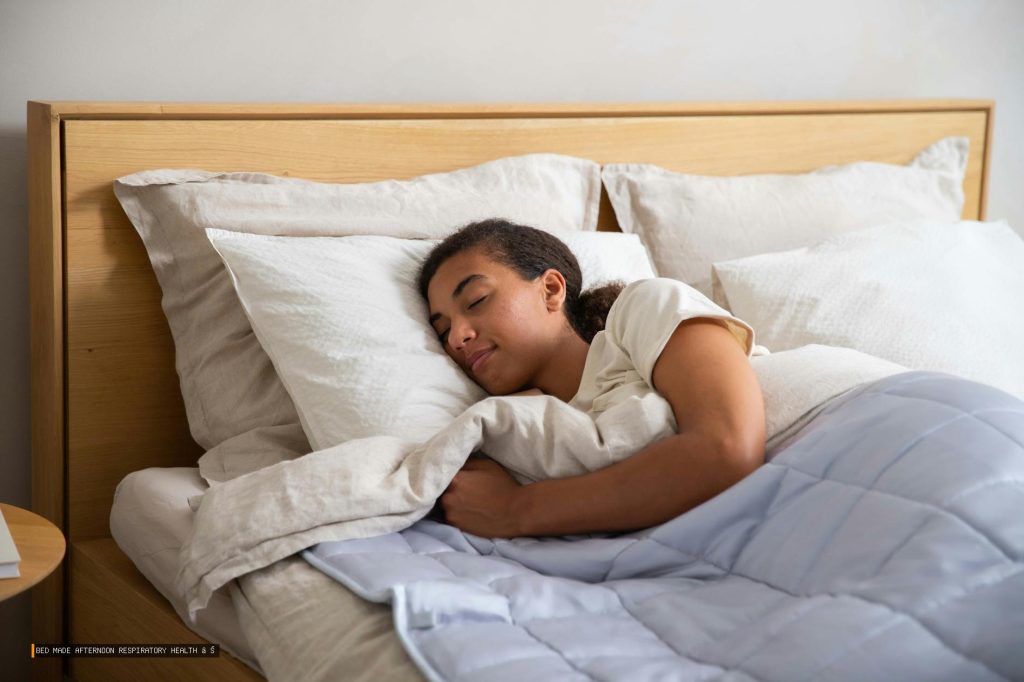
If bedroom appearance is important for your psychological well-being, compromise by making your bed in the afternoon rather than morning. This approach maintains the aesthetic benefits without sacrificing the health advantages of morning air exposure. Alternatively, using a decorative bedspread or throw that doesn’t fully enclose all layers can maintain visual order while permitting adequate air circulation.
Social and Cultural Perspectives
The “make your bed” philosophy gained prominence through military and institutional settings prioritizing discipline and uniformity. While these values have merit, they weren’t designed around biological and respiratory health optimization. Modern bedroom science demonstrates that flexibility in this practice, tailored to individual health needs, represents genuine responsibility rather than negligence.
Who Benefits Most From This Change
While everyone enjoys cleaner air quality, certain populations experience particularly significant benefits from discontinuing immediate bed-making practices. Individuals with dust mite allergies, asthma, eczema triggered by allergen exposure, or other atopic conditions show measurable health improvements. Children and elderly individuals, who often have more sensitive respiratory systems, also demonstrate notable benefits.
My discovery about making bed health implications transformed how I approach my morning routine. The science clearly demonstrates that leaving your bed unmade for several hours significantly reduces dust mite populations and improves respiratory health. This isn’t about abandoning cleanliness standards—it’s about aligning daily habits with biological reality. By making your bed in the afternoon rather than immediately upon waking, maintaining proper humidity control, and using protective bedding covers, you optimize your sleep environment for both hygiene and wellness. The decision to leave beds unmade represents not laziness, but informed health prioritization backed by rigorous scientific evidence.











Leave a Comment