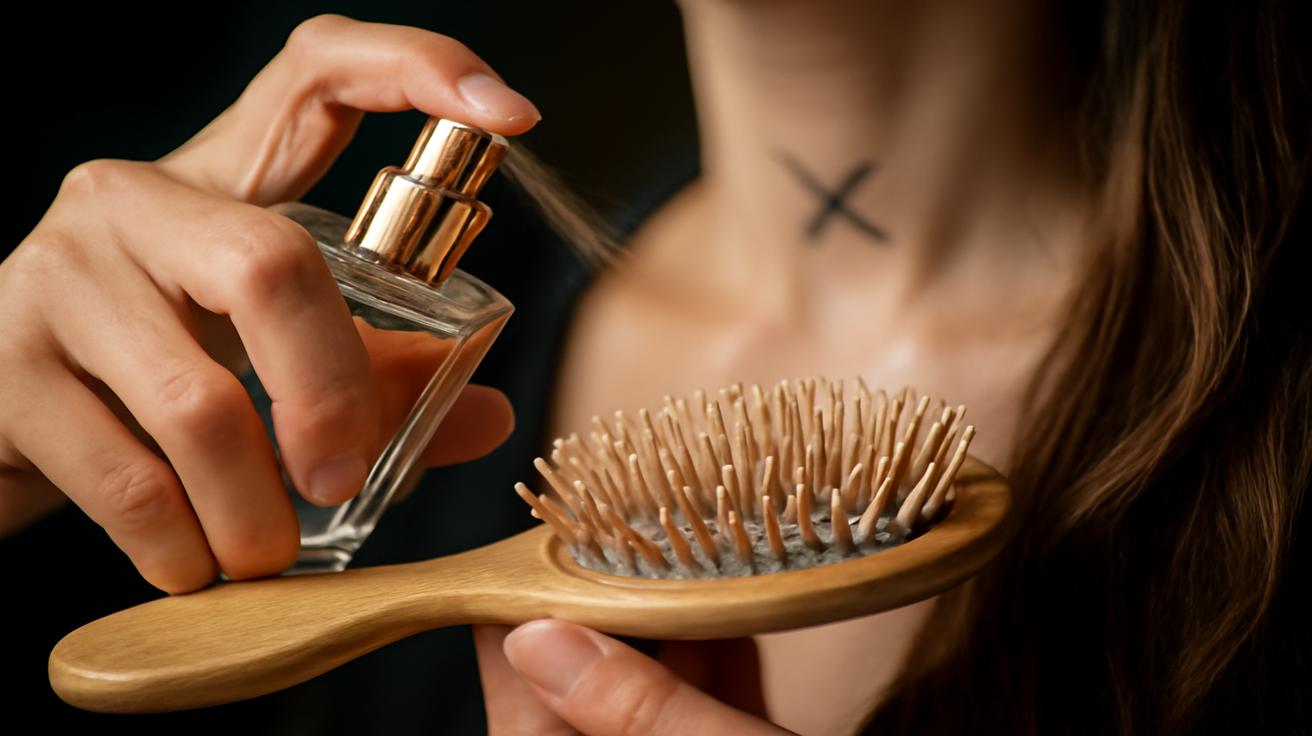
There’s a certain magic in catching a whiff of someone’s perfume as they pass by—that invisible signature that lingers in the air. Yet for many people, that olfactory trail disappears within hours rather than persisting from morning until evening. The culprit might not be your perfume choice at all. Instead, it could be exactly where and how you’re applying it.


The Myth About Wrist Application
For generations, beauty advice has championed the same fragrance ritual: spray perfume on your wrists, rub them together, and dab behind your ears. This method has become so ingrained in popular culture that most people never question whether it actually works. However, fragrance chemists and perfumery experts are now pushing back against this conventional approach.
The problem with wrist application is deceptively simple. Your wrists experience constant movement throughout the day. Every time you wash your hands, type at a keyboard, shake someone’s hand, or even move your arms naturally, you’re physically agitating the fragrance molecules. This friction accelerates the evaporation process, causing your perfume to fade faster than if you’d applied it to a stationary area of your body.
Additionally, the skin on your wrists tends to be thinner and experiences more temperature fluctuations than other parts of your body. Perfume molecules are volatile by nature, meaning they readily transform from liquid to vapor. When exposed to changing temperatures and constant movement, this transformation happens even more rapidly.
Why Rubbing Diminishes Your Fragrance
The second part of the traditional advice—rubbing your wrists together after applying perfume—is equally problematic. When you rub your skin together, you’re not blending the fragrance into your skin as the conventional wisdom suggests. Instead, you’re literally breaking apart the fragrance molecules.
Perfume consists of aromatic compounds suspended in alcohol. The top notes, which provide that initial burst of scent you notice first, are the most volatile components. They’re designed to evaporate quickly, creating the opening impression of the fragrance. When you rub your wrists together, you’re generating heat and friction that accelerates this natural evaporation process. You’re essentially using mechanical action to speed up what would naturally happen anyway—but faster.
This explains why perfume applied with rubbing motions often seems to disappear almost immediately, leaving you wondering if you didn’t apply enough. The fragrance wasn’t deficient; your application technique was working against you.
The Science Behind Fragrance Longevity
To understand where perfume should really go, it helps to comprehend how fragrances work on your body. Perfume is absorbed into the skin and warmed by your body heat. As the temperature of the skin increases, the fragrance molecules gradually evaporate, creating that scent cloud around you. The key is choosing locations where skin temperature remains relatively consistent and movement is minimal.
Body heat is crucial to fragrance performance. Areas of your body with higher natural heat emission will release fragrance more effectively and for longer periods. However, this heat needs to be relatively stable. Areas that experience constant temperature changes or physical movement will cause the fragrance to dissipate unevenly.
Dermatologists and perfumery experts have identified several superior application locations based on these principles. These spots offer the combination of stable temperature, minimal movement, and ideal skin conditions for fragrance longevity.
Superior Application Points for All-Day Fragrance
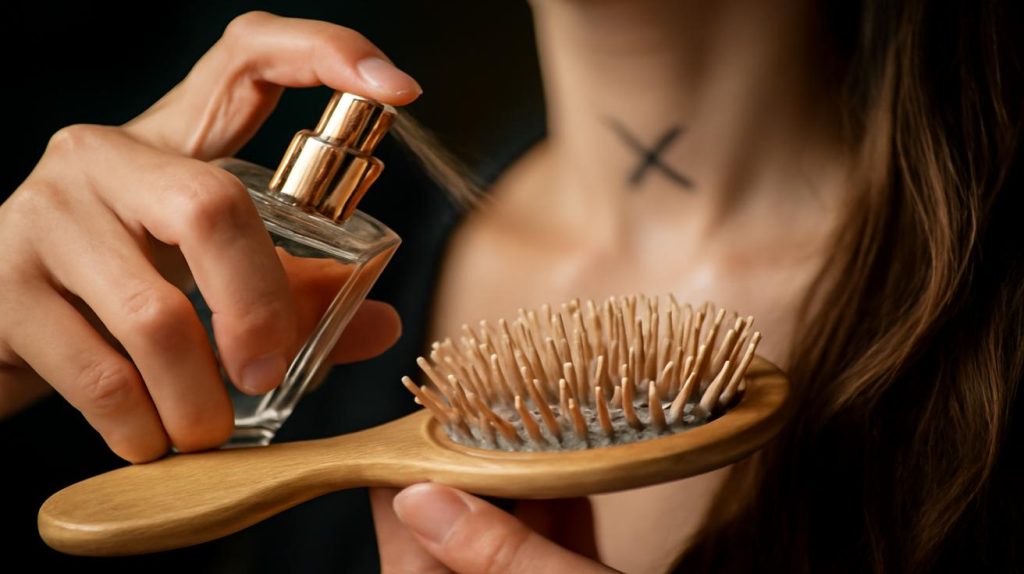
The inner elbow is the gold standard for fragrance application, according to fragrance specialists. This area experiences minimal movement compared to your wrists, contains a high concentration of blood vessels near the surface, and maintains consistent warmth. The thin skin in this region allows the fragrance to absorb effectively while the warmth gradually releases the scent throughout the day.
The back of the neck is another excellent location, though many people apply it here incorrectly. Instead of spraying the front of your neck where friction from collars and scarves can disrupt the fragrance, apply it to the back where clothing provides protection and movement is limited. The heat from your body radiates naturally in this area, creating optimal conditions for fragrance projection.
Behind the ears remains a valid application point, primarily because of the proximity to body heat and the relative immobility of the area. However, this should be a supplementary location rather than your primary application site.
For those seeking extended fragrance performance, applying perfume to the back of your knees is surprisingly effective. While this might seem counterintuitive, the area experiences minimal friction during daily activities, maintains steady warmth from blood vessels close to the surface, and the scent gradually rises due to body heat, creating a subtle projection that lasts remarkably long.
The Chest and Décolletage Strategy
The upper chest and décolletage area represents another high-performing zone. This region naturally radiates significant warmth and experiences less friction than the wrists. For women, applying fragrance to the upper chest allows the scent to project without being directly in the nasal area, preventing olfactory fatigue where you become so accustomed to your own fragrance that you stop noticing it.
The key advantage of chest application is that the fragrance naturally rises with body heat, creating a scent profile that others notice while you remain oblivious to your own fragrance—exactly as intended. This invisible presence is actually the marker of proper fragrance application.
Proper Application Technique Matters
Once you’ve identified the correct locations, the application method becomes critical. Instead of spraying and rubbing, apply fragrance in one smooth motion and then leave it untouched. Let the fragrance settle into your skin naturally without any physical manipulation. This preserves the molecular structure of the fragrance and allows it to absorb gradually.
For spray applications, hold the atomizer four to six inches from your skin and apply once to each chosen location. Using multiple spritzes on the same spot doesn’t enhance longevity—it simply applies too much fragrance that will evaporate faster due to the concentrated heat at that point.
If you prefer rollerball or solid fragrance applications, apply gently without pressing or rubbing. Simply glide the product across your skin and move on.
Environmental Factors That Affect Fragrance Duration
Beyond application technique, environmental conditions influence how long your fragrance lasts. Fragrance performs better when your skin is adequately moisturized. Dry skin causes fragrance molecules to evaporate faster because there’s insufficient moisture to help them absorb into the skin layers. Applying fragrance to well-moisturized skin creates better grip, allowing the scent to last significantly longer.
Hair also traps fragrance effectively. Many fragrance experts recommend applying a light mist to your hair, which acts like a natural fragrance diffuser throughout the day. Hair movement helps slowly release the scent rather than concentrating it in one spot.
The Bottom Line
The persistence of the wrist-rubbing method is largely due to tradition and marketing rather than actual fragrance science. By shifting your application strategy to areas of minimal movement with optimal heat distribution, and by eliminating the rubbing motion, you can double or even triple how long your fragrance lasts. The person in the elevator who smells like summer all day isn’t using better perfume—she’s simply applying it more strategically. That subtle, warm drift that follows her around is the result of understanding where her body naturally diffuses fragrance best.










Leave a Comment