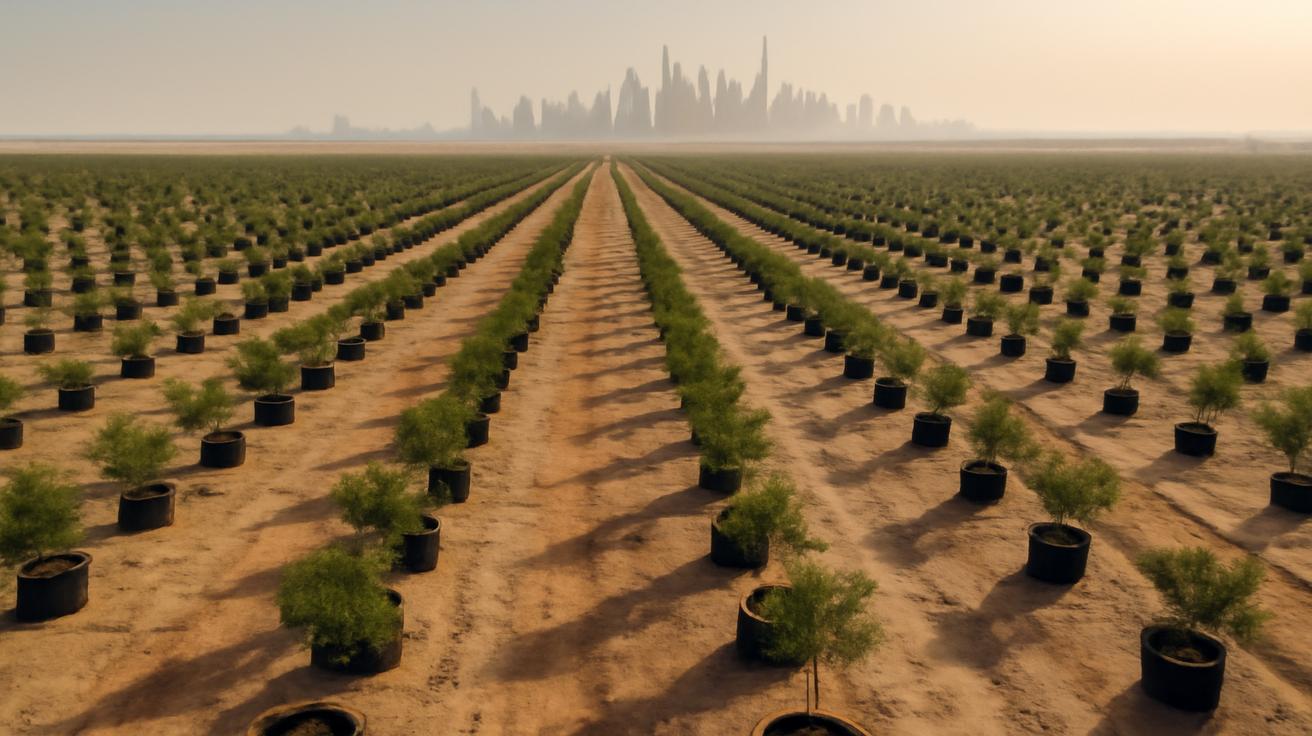
The first thing you notice in the sprawling metropolises of the Arabian Peninsula is the shimmer. Not merely the distortion of extreme heat rising from pavement and steel—though that omnipresent phenomenon defines the landscape—but rather an unusual contrast that marks a dramatic shift in urban planning philosophy. Amid the gleaming skyscrapers and desert expanse, an unprecedented wave of green is taking root across Saudi Arabia and the United Arab Emirates. Behind this remarkable transformation lies an ambitious and costly solution to one of the region’s most pressing environmental challenges: combating the lethal combination of rapid urban expansion and extreme desert heat.

The Escalating Heat Crisis in Megacities
Over the past two decades, cities like Dubai, Riyadh, and Abu Dhabi have experienced explosive growth that fundamentally altered their environmental character. Population explosions have driven construction at an unprecedented pace, with concrete and steel replacing any remaining vegetation. This phenomenon, known as urban heat island effect, creates microclimates where temperatures can exceed ambient desert temperatures by several degrees Celsius.
The consequences extend beyond discomfort. During peak summer months, daytime temperatures routinely exceed 50 degrees Celsius (122 Fahrenheit), pushing the limits of human physiological tolerance. Streets become dangerously hot, infrastructure deteriorates, and energy consumption for air conditioning skyrockets. Hospital admissions for heat-related illness surge, particularly among outdoor workers who form a significant portion of the Gulf’s labor force.
Recognizing this crisis, government planners in both nations began examining solutions that extended beyond air conditioning technology and interior cooling systems. They turned to nature’s most efficient cooling mechanism: trees.
The Scale of Import Operations
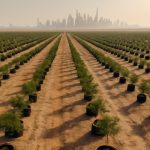
The magnitude of tree import operations undertaken by Saudi Arabia and the UAE has astonished environmental observers worldwide. Annual imports now reach several million saplings, sourced from nurseries across Europe, North Africa, and South Asia. Specialized logistics networks have been established to transport these trees, which arrive in climate-controlled containers to ensure survival during transit.
Saudi Arabia’s Vision 2030 initiative includes a commitment to plant 10 billion trees by the end of the decade, with a significant portion being imported specimens specifically bred to thrive in desert conditions. The UAE’s urban forestry program has similarly committed substantial resources to expanding canopy coverage across metropolitan areas. Government budgets for these programs have swollen into the hundreds of millions of dollars annually.
The infrastructure supporting these imports has become remarkably sophisticated. Specialized nurseries in both countries now operate at industrial scale, temporarily acclimating imported trees to local conditions before final planting. Drip irrigation systems, designed to minimize water waste in an arid environment, have been installed across thousands of kilometers of streets and public spaces.
Species Selection and Adaptation Strategies
Not all trees survive in the Arabian Peninsula’s unforgiving climate. Importing millions of saplings would serve little purpose if they withered within seasons. Consequently, both nations have invested heavily in botanical research to identify and cultivate species capable of withstanding extreme heat, minimal precipitation, and saline soils.
Date palms, naturally adapted to the region, form the backbone of many planting programs. However, planners have diversified their approach, introducing hardy species from similar climatic zones worldwide. Neem trees from the Indian subcontinent, acacia varieties from Africa, and specially bred cultivars of olive and citrus species have been integrated into urban landscapes. Each species undergoes rigorous testing to ensure long-term viability.
Genetic modification and selective breeding programs have accelerated adaptation timelines. Scientists have developed tree varieties with enhanced drought resistance, deeper root systems, and improved heat tolerance. These engineered specimens represent the cutting edge of botanical science applied to urban environmental challenges.
Environmental and Economic Implications
The decision to import rather than develop homegrown nursery capacity reflects the urgency of the situation. While longer-term plans include establishing regional production capabilities, current needs dictate sourcing from established international suppliers. This approach carries both advantages and drawbacks.
Economically, the import-dependent model supports international trade relationships and keeps currency flowing to supplier nations in Europe and Asia. However, it also raises questions about sustainability and long-term dependency. Regional cultivation programs would eventually reduce costs and environmental impacts associated with international transport.
Environmentally, the expansion of urban tree canopy provides measurable benefits. Research conducted by Gulf universities demonstrates that strategic tree placement can reduce localized temperatures by 3-5 degrees Celsius. This cooling effect ripples through communities, reducing heat stress on vulnerable populations and decreasing energy consumption for air conditioning—a major environmental concern in regions where electricity generation relies substantially on fossil fuels.
Water Consumption Concerns
Critics have raised legitimate concerns about water consumption in regions where freshwater is already scarce. Establishing and maintaining millions of trees in desert environments requires substantial irrigation. Both Saudi Arabia and the UAE rely on desalination plants to produce freshwater, a process that consumes significant energy and generates environmental byproducts.
However, planners counter that the long-term cooling benefits justify initial water investments. As urban canopy expands, ambient temperatures decrease, reducing overall cooling demands and ultimately conserving water through reduced air conditioning usage. Additionally, modern irrigation technologies minimize waste, delivering water directly to root systems rather than allowing evaporation from soil surfaces.
Social and Public Health Dimensions
Beyond climate regulation, urban forests provide crucial social benefits. Trees create shaded spaces where outdoor workers can rest during extreme heat events, potentially preventing heat stroke and related illnesses. Public parks and tree-lined streets encourage recreational activity among populations that otherwise retreat indoors during summer months.
Mental health benefits associated with green spaces have been well-documented in international research. The psychological impact of living surrounded by concrete and glass contrasts sharply with environments featuring natural vegetation. Gulf residents have responded positively to expanding green infrastructure, with parks becoming increasingly popular gathering places.
Future Outlook and Challenges
Both nations have committed to sustained tree-planting campaigns over decades. However, maintaining imported specimens in extreme conditions requires consistent management and significant resources. Pest management, disease prevention, and ongoing irrigation demands will shape the long-term viability of these initiatives.
Climate change projections suggest temperatures in the region may continue rising, potentially requiring even more aggressive urban cooling strategies. Tree imports may represent merely the initial phase of comprehensive environmental adaptation programs that include architectural modifications, urban planning reforms, and technological innovations.
The experience of Saudi Arabia and the UAE offers lessons for other arid regions facing similar challenges. Their willingness to invest substantially in environmental adaptation demonstrates recognition that climate resilience requires proactive investment. Whether this model proves replicable in economically constrained regions remains an open question.
The shimmering heat that defines Gulf cities may gradually diminish as millions of imported trees establish themselves across urban landscapes. What began as a crisis response has evolved into a comprehensive environmental strategy that fundamentally reshapes these desert metropolises.







Leave a Comment