In the dimly lit corridors of a Rio de Janeiro rehabilitation center, hope and frustration exist in uncomfortable proximity. Here, where patients navigate the permanent reality of paralysis caused by spinal cord injuries, a remarkable scientific achievement has become a cautionary tale about institutional mismanagement and bureaucratic inertia.


The Promise of Polylaminin
Nearly two decades ago, researchers at the Federal University of Rio de Janeiro (UFRJ) made a discovery that captured international attention: a synthetic substance demonstrating unprecedented potential to restore neural function in patients with spinal cord injuries. The compound, identified as polylaminin, showed promise in laboratory and preliminary clinical settings that suggested a genuine pathway toward reversing paralysis—a condition that has resisted medical intervention for generations.
This wasn’t merely incremental progress in a crowded field of spinal cord research. The polylaminin breakthrough represented a fundamental shift in how scientists understood neural regeneration and the possibility of functional recovery after catastrophic spinal injury. Colleagues across the globe took notice, recognizing the potential implications for the millions of individuals living with spinal cord-related disabilities worldwide.
The scientific community responded with enthusiasm. International partnerships formed. Conferences featured presentations about UFRJ’s polylaminin research. Patent applications were filed, setting the stage for what many believed would be the next major advancement in neurological medicine. The future seemed positioned for success.
The Institutional Collapse
What followed was a descent into institutional failure that reveals the structural vulnerabilities of Brazil’s research ecosystem. At UFRJ, budget cuts began eroding the infrastructure necessary to maintain and advance the polylaminin research program. Laboratories faced reduced funding for equipment maintenance, research materials, and personnel. The institution that had fostered this breakthrough lacked the financial resources to nurture its own discovery into clinical reality.
Simultaneously, the polylaminin patent applications entered the labyrinthine process of Brazil’s National Institute of Industrial Property (INPI). What should have been a straightforward matter of intellectual property protection became an 18-year ordeal. Patent examiners faced their own resource constraints. Applications sat in queues. Communication between researchers and INPI administrators grew sporadic. Administrative procedures that might take months elsewhere consumed years in Brazil’s patent system.
The combination created a perfect storm of institutional failure. Researchers lacked funding to continue advancing the research while simultaneously watching their intellectual property rights languish in an overburdened bureaucratic system. The window of opportunity—critical in pharmaceutical development—began to close.
n
Lost Patent Rights and Global Consequences
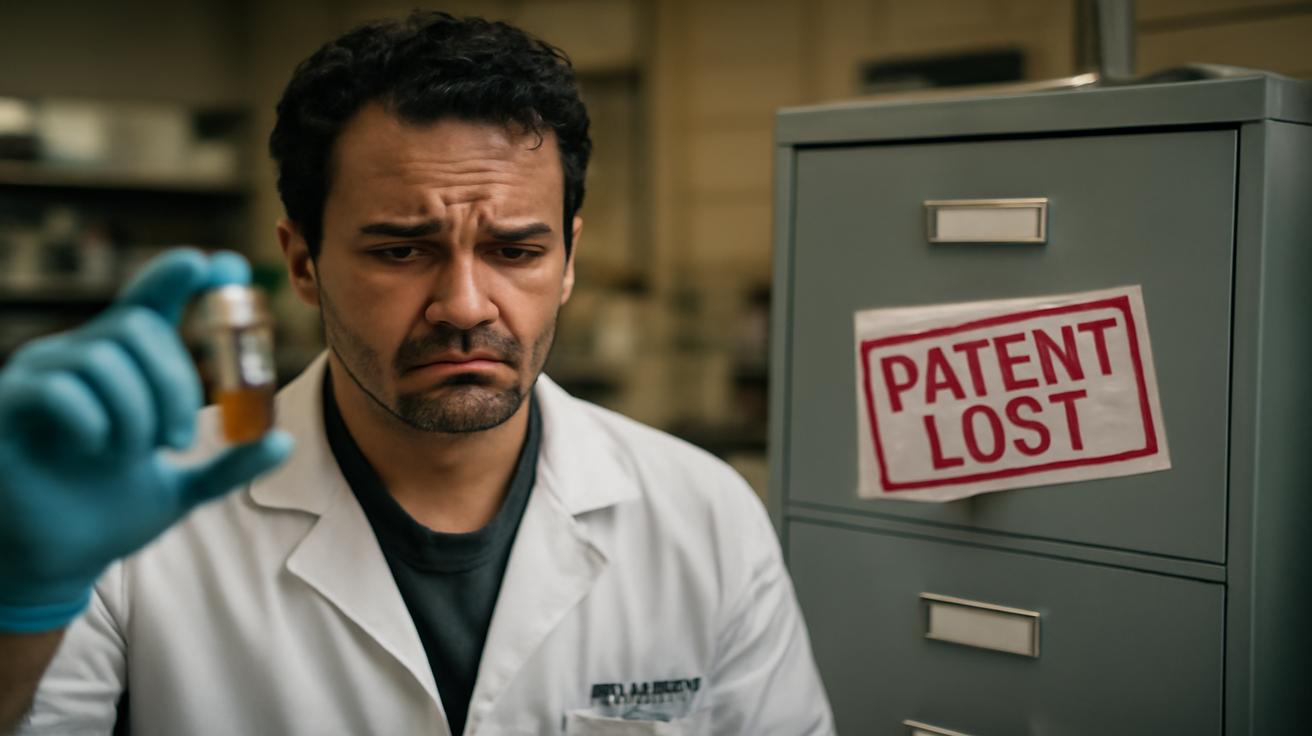
The consequences became inevitable and irreversible. As the 18-year delay at INPI stretched toward completion, the international patent protection window closed. The polylaminin discovery, which could have been exclusively protected and developed by Brazilian researchers, entered a realm of diminished proprietary control. International competitors moved forward. The competitive advantage that patent protection provides—essential for attracting investment, securing funding, and maintaining research primacy—evaporated.
This wasn’t merely a financial loss, though the economic implications were substantial. It represented a fundamental failure to transform scientific achievement into medical reality. Patients who might have benefited from advanced polylaminin-based treatments saw those possibilities recede further into the future. The global research community, meanwhile, faced delays in accessing a potentially transformative therapy.
The loss of international patent protection created additional complications. Without secured intellectual property rights, pharmaceutical companies hesitated to invest in clinical development. Research partnerships that might have accelerated progress became less attractive. The polylaminin research continued in diminished capacity, sustained by the dedication of individual scientists rather than institutional resources or commercial investment.
Systemic Issues Within Brazil’s Research Infrastructure
The polylaminin saga reveals deeper problems within Brazil’s institutional frameworks. The research funding crisis at UFRJ reflected broader budgetary constraints affecting Brazilian universities throughout the 2010s and 2020s. Government budget allocations to higher education and research institutions declined in real terms, forcing laboratories to operate with reduced capability.
The INPI patent examination delays exposed systemic dysfunction within Brazil’s intellectual property system. The institute lacks adequate funding, staffing, and infrastructure to process patent applications within reasonable timeframes. An 18-year wait for patent examination is not exceptional within INPI’s backlog—it’s disturbingly typical. This problem affects not only medical breakthroughs but innovations across all sectors of Brazilian industry and technology.
Together, these institutional failures created conditions where significant scientific achievement could not be effectively translated into practical medical advancement. This is not a problem unique to polylaminin. It reflects a broader challenge facing emerging economies attempting to transition discoveries into commercial and medical products.
International Implications and Lessons
The failure to protect polylaminin’s patents internationally has broader implications for how emerging economies approach intellectual property and technology development. When research institutions cannot secure patent protection efficiently, they lose competitive advantage in global markets. Researchers become reluctant to share findings domestically, fearing that delays in patent protection will compromise their work. International collaborations become complicated by concerns about intellectual property rights.
For other nations with developing research sectors, the polylaminin story serves as a warning. Investment in research infrastructure means little without corresponding investment in intellectual property protection systems. A patent office that cannot process applications within reasonable timeframes becomes an institutional liability rather than an asset, undermining the innovation ecosystem it’s designed to support.
The Current State of Polylaminin Research
Today, polylaminin research continues at UFRJ and related institutions, sustained by research scientists who remain committed despite institutional constraints. The compound’s potential for treating spinal cord injuries has not diminished. The biological mechanisms that made polylaminin promising remain scientifically valid. However, the research now proceeds without the advantage of patent protection that would have accelerated clinical development and attracted commercial investment.
Some international research groups have begun exploring polylaminin independently, developing variations and conducting parallel research. Without patent protection, Brazilian researchers cannot claim exclusive development rights or control the direction of global polylaminin research advancement. The scientific knowledge exists, but the institutional advantage has been forfeited.
Moving Forward
The polylaminin story underscores the necessity of addressing systemic problems within Brazilian research and intellectual property institutions. Funding restoration at universities like UFRJ requires political commitment to research investment. Modernizing INPI demands resources for digitalization, staffing, and process improvement. These investments are not merely bureaucratic necessities—they are essential infrastructure for translating scientific discovery into medical and commercial advancement.
In rehabilitation centers throughout Brazil, patients continue managing spinal cord injuries without access to therapies that might have emerged from polylaminin research had institutional systems functioned effectively. This represents not only a Brazilian tragedy but a global loss, as medical advancement for paralysis treatment remains delayed.











Leave a Comment