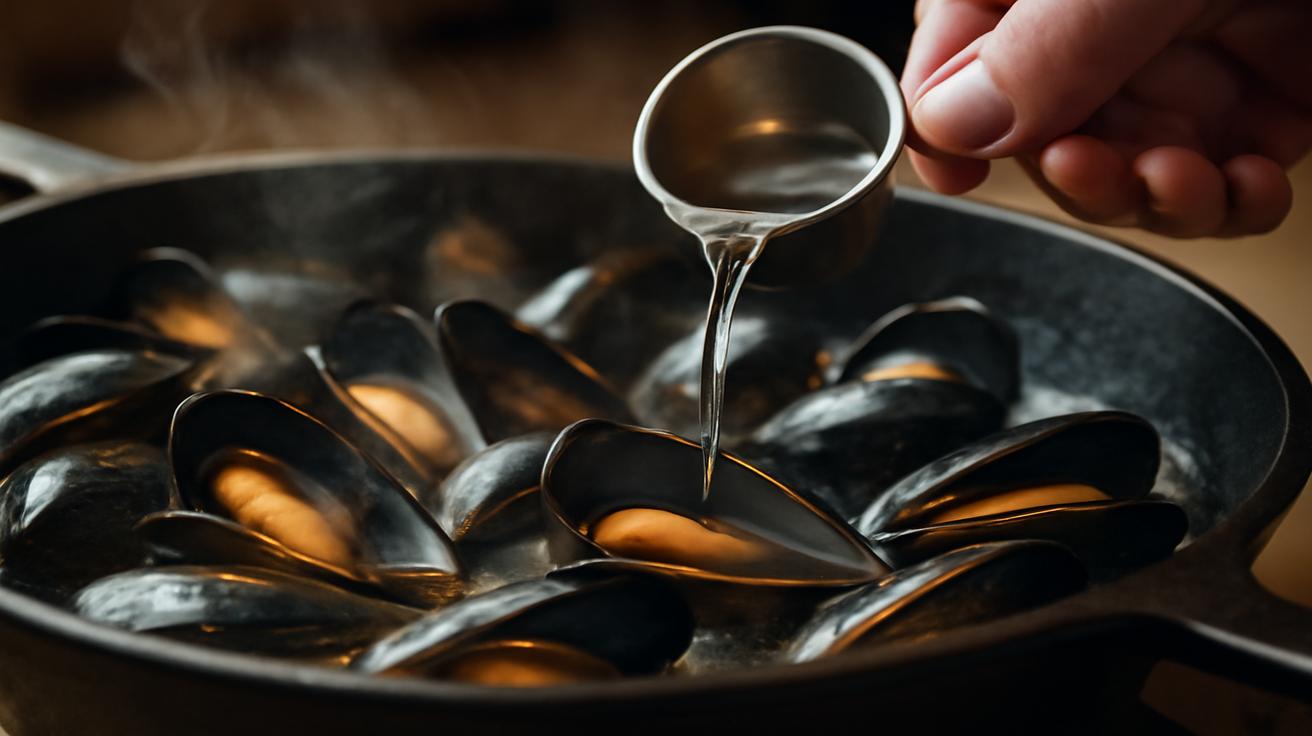
The world of professional cooking is built on decades of accumulated knowledge, passed down through generations of chefs who have spent countless hours perfecting their craft. Yet sometimes, the most valuable lessons come not from elaborate techniques or exotic ingredients, but from understanding the fundamental science behind what happens in our pots and pans. Such is the case with a recent revelation from one of Spain’s most respected culinary voices regarding one of the Mediterranean’s most beloved ingredients: mussels.
A Kitchen Mistake That Teaches Valuable Lessons
Every home cook has experienced that sinking feeling when a meal doesn’t turn out as expected. For many, this includes the disappointment of preparing mussels only to find them tough and rubbery rather than tender and succulent. These moments of culinary failure, while frustrating, often contain the seeds of understanding. The journey from kitchen disaster to mastery frequently begins with recognizing what went wrong and why.
The act of ruining a pot of mussels on a cold evening in a modest kitchen—the kind where condensation clouds the windows and the extractor fan hums its persistent song—marks a turning point. It’s the kind of failure that, when properly examined, can illuminate fundamental cooking principles. The real question isn’t how to avoid such mishaps entirely, but rather what they reveal about the cooking process itself.
Many home cooks operate under assumptions inherited from various sources: recipe books, cooking shows, comments from well-meaning friends, or family traditions. Not all of these sources are equally reliable when it comes to scientific accuracy. The path to becoming a better cook often involves questioning these inherited assumptions and testing them against observable results.
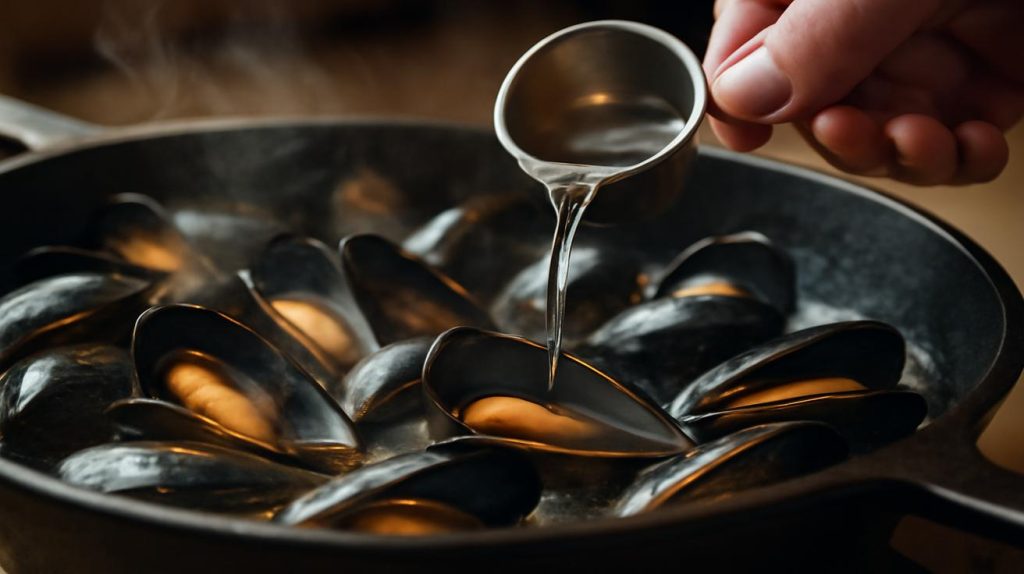
Water and Heat: Understanding the Counter-Intuitive Approach
The conventional wisdom surrounding mussel preparation suggests adding liquid to the pot. Water, wine, broth, or a combination thereof—the logic seems sound. Steam rises from liquid, the steam cooks the mussels, and the dish develops a flavorful broth. This reasoning has dominated cookbooks and cooking instruction for generations. However, innovative chefs who approach their work with scientific curiosity have begun challenging this assumption.
The problem, according to expert analysis of the cooking process, lies not with the presence of moisture itself, but with how mussels respond to prolonged exposure to excess liquid. When mussels are submerged or exposed to steam generated from substantial quantities of water, they release their own internal fluids. These fluids combine with the added liquid, creating an environment where the mussel meat cooks too quickly on the outside while potentially becoming overexposed to heat and moisture for extended periods.
This extended exposure causes the muscle proteins in the mussel to contract excessively and tighten, resulting in that unwanted rubbery texture that disappoints diners. The muscle fibers, which were tender when the mollusk was alive, become increasingly dense and firm as they denature under heat. There exists an optimal window of time where the mussel reaches perfect tenderness, but excessive liquid and prolonged steaming push well past this point.
The Spanish chef’s insight centers on a simple but profound adjustment: minimizing added water allows mussels to cook using primarily their own internal moisture. This approach respects the natural water content of the mussels themselves while reducing the overall liquid environment that can lead to overcooking.
The Science Behind Selective Moisture Management
Understanding why this technique works requires examining what happens at the molecular level. Mussels, like most shellfish, contain substantial amounts of water—they’re ocean creatures, after all. This internal moisture is not merely incidental to their structure; it’s integral to their flavor and texture. When heat is applied, this internal water turns to steam, which can actually cook the mussel meat adequately without additional liquid being introduced.
The traditional method of adding significant quantities of water or wine creates a problem of excess. The added liquid doesn’t all convert to steam efficiently; much of it remains as liquid in the pot. The mussels, which naturally want to release their own fluids as they heat, find themselves in an increasingly concentrated liquid environment. The continued application of heat to this environment continues cooking the mussel meat even after it has already reached ideal tenderness.
By contrast, using minimal or no additional water forces a different cooking dynamic. The mussels’ own internal moisture becomes the primary medium for cooking. The heat causes this internal moisture to turn to steam, which rises and surrounds the mussel, transferring heat efficiently without creating an oversaturated liquid environment. The cooking process completes more quickly and more evenly, reaching that sweet spot of tenderness before the muscle fibers contract too severely.
Practical Implementation in the Home Kitchen
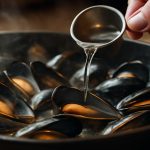
Translating this principle into practical kitchen technique requires only minor adjustments to the standard approach. Rather than adding a cup or more of liquid to the pot, the recommended method involves using just enough moisture to create initial steam—often just a few tablespoons. Some practitioners add wine for flavor, while others use a small amount of water or even nothing at all, relying entirely on the mussels’ own moisture.
The heat source should be sufficiently high to create steam quickly, which means medium-high to high heat typically works best. The lid remains in place throughout cooking, trapping the steam and maintaining consistent heat distribution. The cooking time becomes significantly shorter—often just three to five minutes for most mussels to fully open.
One critical indicator of doneness is the opening of the shells themselves. Unlike many cooking methods where completion time serves as the primary guide, with mussels the shells provide a visual signal. Once they’ve opened, the cooking has essentially completed. Any mussels that fail to open after a reasonable cooking period should be discarded, as this typically indicates they were not viable before cooking began.
Beyond the Mussel: Broader Cooking Principles
This specific insight about mussel preparation illuminates a broader principle applicable throughout cooking: questioning inherited assumptions about technique while grounding adjustments in observable science. Many dishes suffer from overcooking not because the ingredients are poor or the methodology fundamentally flawed, but because conventional wisdom includes unnecessary elements.
Professional chefs continuously refine their techniques through observation and experimentation. When something doesn’t produce the desired result, they don’t simply accept the failure; they analyze what occurred and adjust accordingly. This mindset—treating cooking as both art and investigation—separates merely adequate cooking from exceptional results.
The emphasis on minimal water for steaming mussels represents this investigative spirit. It’s a small adjustment with significant implications for the final product. It demonstrates that achieving better results often requires less, not more—less liquid, shorter cooking times, and simpler processes.
The Value of Expert Knowledge in Everyday Cooking
Professional expertise becomes valuable to home cooks not when it introduces unnecessary complexity, but when it simplifies processes and explains why certain methods work better than others. The insight about steaming mussels without added water exemplifies this useful knowledge transfer from professional kitchens to domestic ones.
As cooking continues to evolve and professional chefs push the boundaries of culinary technique, home cooks benefit from the accumulated knowledge these experts generate. Sometimes this knowledge confirms existing practices, but sometimes—as with the mussel preparation technique—it gently challenges long-held assumptions.
The next time mussels appear on the dinner table, cooks armed with this understanding can approach the task with renewed confidence. The solution wasn’t mysterious or complicated; it simply involved recognizing what was actually necessary versus what tradition suggested. That distinction often separates frustration from success in the kitchen.










Leave a Comment