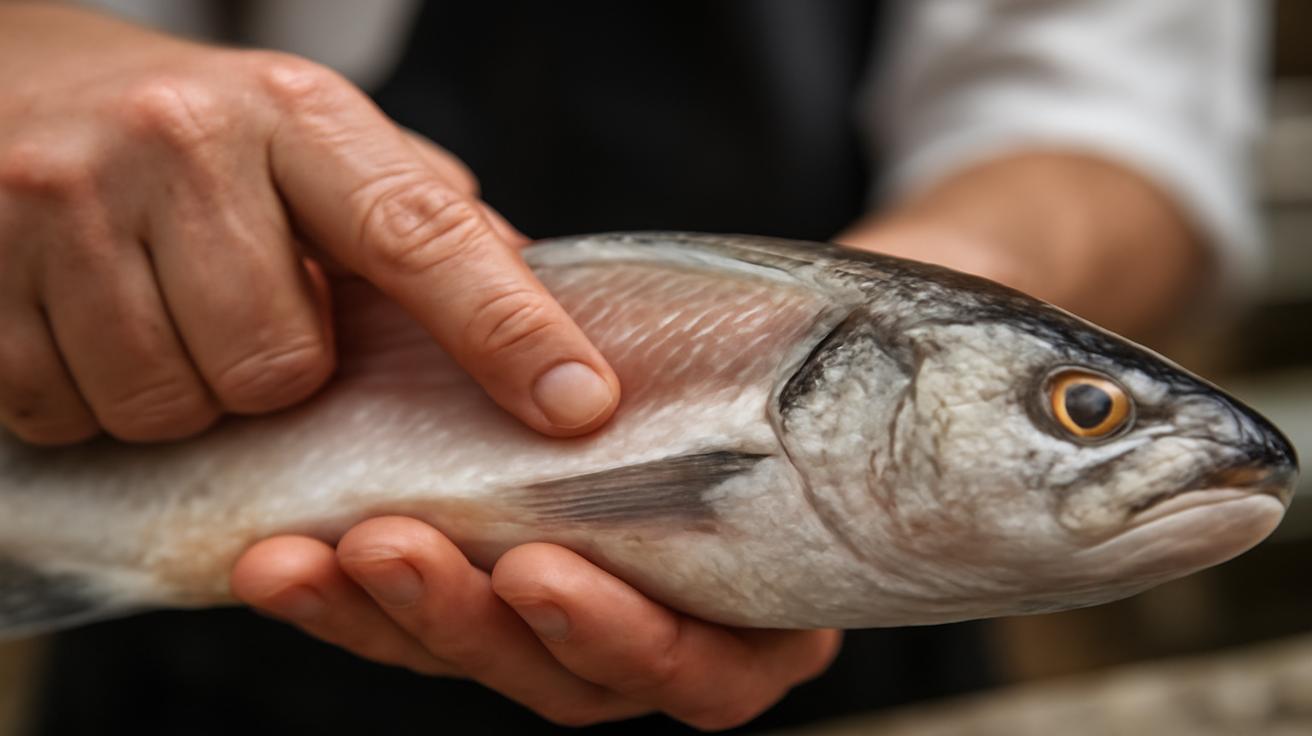
Walking into a traditional fish market reveals a sensory experience that few modern grocery stores can replicate. The sight of pristine specimens arranged on glistening ice, the briny aroma of the sea, and the practiced efficiency of skilled workers all contribute to an atmosphere where quality seafood is paramount. Yet beneath this aesthetic presentation lies a critical skill that separates knowledgeable merchants from those merely going through the motions: the ability to authenticate genuine freshness through texture evaluation.


The Hands That Know
In fish markets across the world, certain individuals have built their reputations on decades of hands-on experience. These professionals understand that visual inspection, while important, tells only part of the story. The real narrative of a fish’s freshness emerges through direct tactile assessment—a practice that requires sensitivity, knowledge, and an unwavering commitment to quality standards.
The hands of an experienced fishmonger are not merely tools for filleting or arranging displays. They are sophisticated instruments calibrated through years of daily interaction with countless specimens. When these hands make contact with fish flesh, they communicate information that eyes alone cannot capture: the density of muscle tissue, the presence of rigor mortis degradation, the moisture content of the skin, and the overall structural integrity that indicates proper handling and storage.
Why Texture Trumps Appearance
The fishing industry has developed sophisticated methods to make products appear fresh even when they have been in cold storage for extended periods. Careful ice management, appropriate lighting, and strategic presentation can make older fish look deceptively appealing to untrained observers. Restaurants and retailers understand consumer psychology—we eat first with our eyes—and this knowledge sometimes leads to misleading visual presentations.

>
This is where texture assessment becomes invaluable. While appearance can be manipulated relatively easily, the physical properties of fish flesh undergo genuine changes as time passes. These changes follow predictable patterns that cannot be replicated through visual tricks alone. A fish’s firmness, elasticity, and overall structural feel provide honest indicators of its true condition that outweigh what the surface appearance suggests.
Reading the Firmness Factor
When a fishmonger applies gentle pressure to fish flesh, they are essentially conducting a biological age test. Fresh fish demonstrates firm, resilient muscle tissue that springs back immediately when pressure is released. This firmness results from the intact protein structures and proper rigor mortis resolution that occurs in the first 24-48 hours after harvest.
As fish ages, enzymatic processes gradually break down these protein structures. The flesh becomes increasingly soft and loses its spring-back capacity. Eventually, the muscle tissue becomes mushy or separates from the bone easily—clear signs that the specimen has passed its optimal consumption window. By understanding this progression, experienced fishmongers can identify fish that falls anywhere along this timeline.
The pressure test itself requires a specific technique. Too much force destroys tissue and invalidates the assessment. Experienced professionals apply just enough pressure to feel the flesh’s response without damaging the product. This delicate calibration comes from handling hundreds of specimens monthly, developing an almost intuitive sense of appropriate force application.
The Moisture Content Message
Fresh fish flesh maintains specific moisture levels that contribute to both texture and cooking quality. The skin of recently caught fish feels moist but not slimy—a balance that indicates proper post-harvest handling. As fish ages, moisture distribution changes. Some areas may dry out slightly while others accumulate liquid as cellular breakdown occurs.
Experienced fishmongers detect these moisture variations through gentle finger contact with both the skin and flesh. They recognize that excessive sliminess often indicates bacterial growth, while unusual dryness suggests either age or improper storage conditions. Neither condition is acceptable in quality establishments, and texture assessment reveals these problems before the fish reaches the customer’s kitchen.
Muscle Density and the Rigor Mortis Window
A physiological process called rigor mortis affects fish in distinct ways. Immediately after death, fish muscle tissue becomes rigid and firm as muscle proteins contract and lock. This state continues for approximately 24-48 hours, depending on species and environmental conditions. During this window, the fish possesses optimal texture and cooking characteristics.
As rigor mortis resolves naturally, muscle tissue gradually relaxes and becomes softer. This softening is normal and expected in properly aged fish. However, the pace and extent of this transition reveals important information. Fish that has been frozen and thawed shows different texture characteristics than fish that has been kept continuously chilled. Ice crystal formation during freezing damages cellular structures in ways that become evident through tactile assessment.
The Bone-Separation Test
Another texture-based assessment involves checking how easily bones separate from surrounding muscle tissue. In genuinely fresh fish, bones should require moderate pressure to extract. If bones pull away with minimal resistance, the tissue has begun significant degradation. Conversely, if bones seem almost impossible to separate, the fish may still be within very early rigor mortis or may have been frozen.
This assessment works because the connective tissue binding bone to muscle changes as cellular breakdown occurs. Fresh specimens maintain intact collagen structures that hold everything firmly in place. As proteolysis advances, these structures weaken, and separation becomes progressively easier. The resistance level provides a reliable indicator of the fish’s age since proper harvest.
Skin Elasticity Indicators
The skin covering fish flesh serves as a protective barrier and reflects the overall condition of the specimen. When pressed gently, fresh fish skin should feel taut and elastic, returning to its original shape immediately. Aged or improperly stored fish shows skin that appears loose or feels less resilient when handled.
In some cases, the skin may separate from underlying muscle tissue when pressure is applied—a clear sign that cellular breakdown has progressed significantly. Professional fishmongers check this carefully but respectfully, understanding that their assessment should not damage the product unnecessarily. Their experience allows them to learn what they need to know through minimal, skillful contact.
Building Consumer Knowledge
The most ethical fishmongers recognize that educating consumers serves everyone’s interests. When customers understand how to assess fish quality through texture evaluation, they become better judges of value and freshness. They can shop confidently, avoid poor purchases, and develop trust with merchants who consistently provide excellent products.
This educational approach requires patience and willingness to explain techniques that might seem obvious to experienced professionals but remain mysterious to ordinary shoppers. Quality merchants understand that investing time in customer education builds long-term relationships and reputations that prove far more valuable than quick sales of questionable merchandise.
The Evolution of Market Standards
As consumer awareness increases and food safety becomes increasingly important, texture-based assessment maintains its relevance in professional fish evaluation. While modern retailers employ various testing methods and certifications, the human touch—literally—remains an essential component of quality assurance.
Fishmongers who continue developing their tactile assessment skills position themselves as valuable experts in markets increasingly dominated by impersonal supermarket chains. Their hands-on knowledge represents something that cannot be easily replicated by corporate systems or automated processes. This expertise ensures that traditional fish markets remain vital alternatives for consumers seeking genuine quality and authentic product knowledge.











Leave a Comment