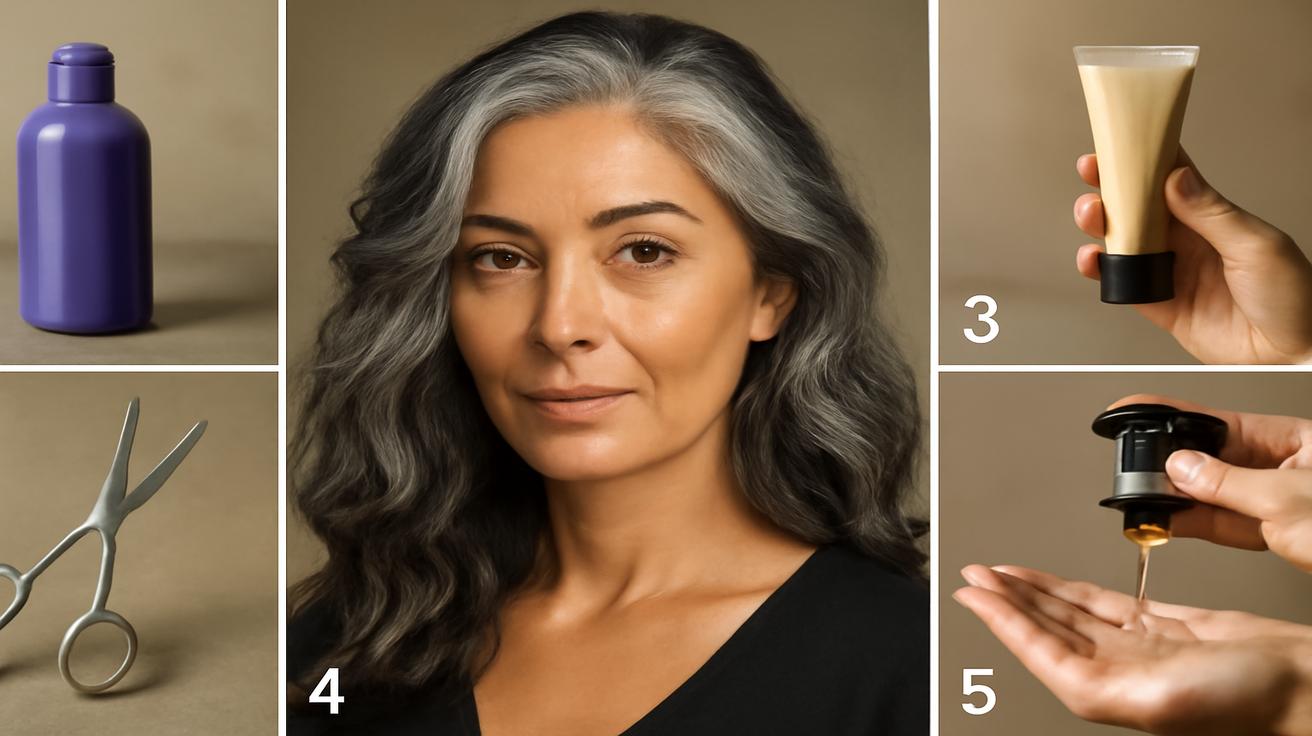
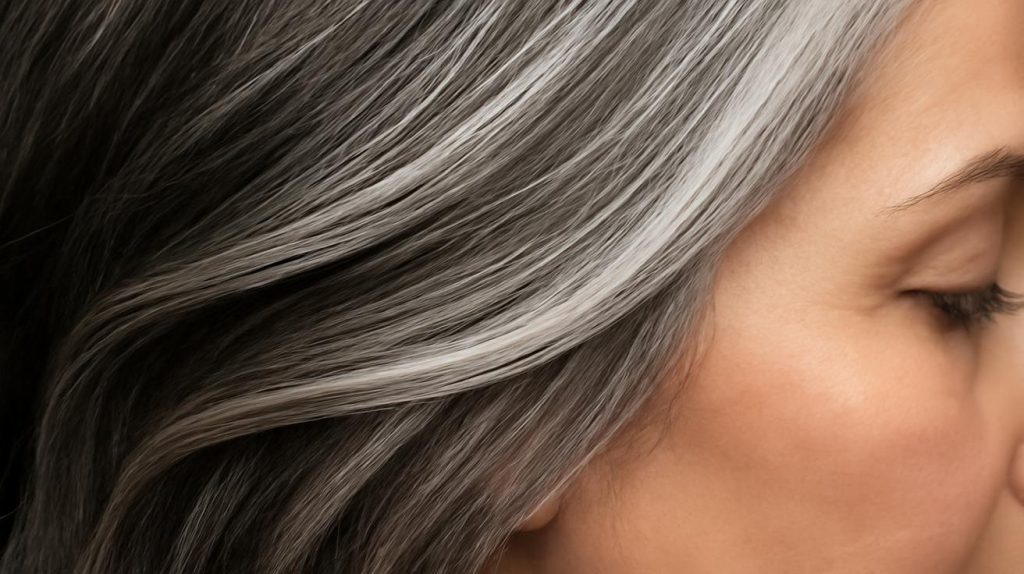
The discovery moment is rarely graceful. You’re standing under the unforgiving glare of bathroom fluorescents, perhaps at your workplace, when you catch it in the mirror—that first silver strand. For many people, this moment triggers a cascade of concerns about aging and appearance. Yet increasingly, men and women are choosing to embrace their salt-and-pepper hair rather than hide it. The shift from viewing gray as something to conceal to celebrating it as a style statement has opened new possibilities in hair fashion. According to professional hairdressers, the key to looking vibrant while sporting salt-and-pepper hair lies not in fighting the color, but in strategic styling choices that enhance rather than diminish your appearance.

Understanding the Salt-and-Pepper Hair Phenomenon
Salt-and-pepper hair—that beautiful blend of pigmented and silver strands—has transitioned from something many felt obligated to color away into a legitimate fashion choice. This transformation in attitude reflects broader changes in how society perceives aging and beauty standards. The spontaneous emergence of silver throughout your hair creates a natural dimension that, when styled correctly, can actually appear more youthful and contemporary than a uniform color.
The psychological shift matters too. Instead of viewing gray hair as an unwelcome sign of aging, embracing salt-and-pepper tones allows individuals to feel more authentic and confident. This mindset shift often translates visibly—confidence itself makes anyone appear younger and more vibrant.
Step One: Invest in Professional Color Maintenance
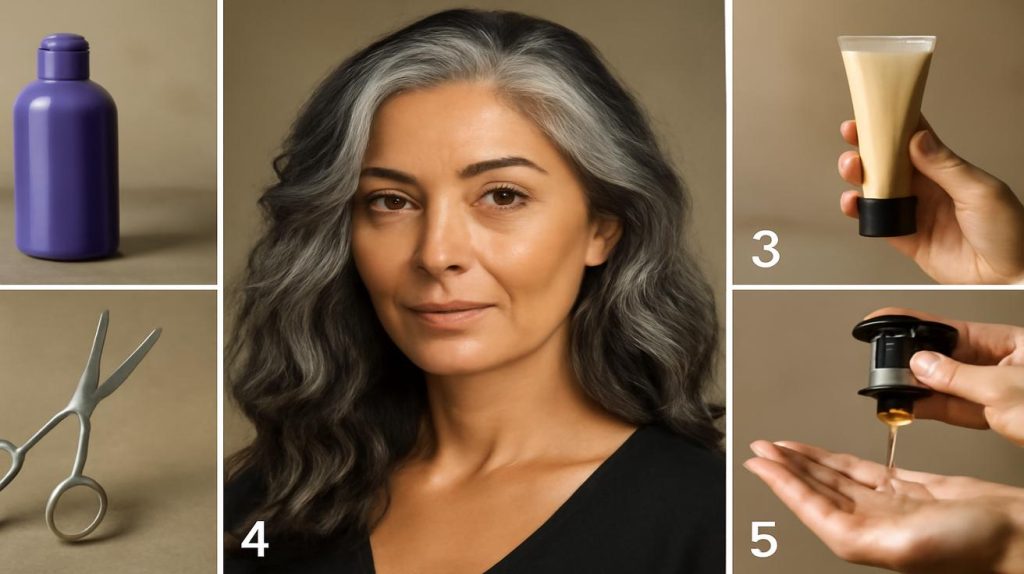
The first critical decision isn’t whether to hide your gray—it’s how to enhance it. Professional colorists now employ techniques specifically designed to work with your natural salt-and-pepper pattern rather than against it. Toning treatments have become increasingly sophisticated, allowing stylists to neutralize any brassy or yellowing tones that can make gray hair appear dull or aging.
Rather than permanent color that requires constant root touch-ups, many hairdressers recommend semi-permanent or demi-permanent solutions. These options deposit color without the harsh chemicals of permanent dyes, and they gradually fade, eliminating harsh regrowth lines. Violet or ash-toned shampoos and conditioners specifically formulated for gray hair help maintain the vibrancy of your salt-and-pepper blend between salon visits.
Professional maintenance every six to eight weeks ensures your color stays fresh. During these appointments, your stylist can assess how your natural silver is blending and adjust toning treatments accordingly. This regular attention prevents the dull, washed-out appearance that occurs when gray hair is left untended.
Step Two: Choose a Flattering Haircut Structure
The architecture of your haircut becomes exponentially more important when you’re showcasing salt-and-pepper hair. A well-structured cut that frames your face properly can instantly improve your appearance. Hairdressers emphasize that layering creates movement and dimension, which prevents the hair from appearing flat or heavy—common issues that can age your appearance regardless of color.
Shorter styles generally enhance salt-and-pepper hair more effectively than longer lengths. Shorter cuts showcase the natural texture and color variation better, while also conveying a sense of intentionality rather than appearing like you’re trying to grow out unwanted gray. Medium-length styles with strategically placed layers around the face can soften features and create a more youthful silhouette.
Face shape matters significantly. Those with round faces benefit from cuts that add height and angle, while square faces look best with softer, textured layers that break up harsh lines. Your stylist should assess your specific features and recommend a cut that works with your natural hair texture and facial structure.
Step Three: Master the Art of Styling Products
Product selection is where many people inadvertently sabotage their salt-and-pepper look. Heavy, thick products can weigh gray hair down, making it appear dull and lifeless. Lightweight products that provide texture and movement become essential allies.
Volumizing mousses, texturizing sprays, and lightweight pomades designed specifically for textured or mature hair work best. These products should enhance your natural texture without creating a stiff, artificial appearance. The goal is to style your hair in ways that emphasize the natural dimension created by your salt-and-pepper coloring.
Many hairdressers recommend avoiding heavy serums and oils that can make gray hair look greasy or flat. Instead, dry texturizing sprays add grip and movement, making your salt-and-pepper pattern more visually interesting. Matte-finish products create a more contemporary, youthful appearance than glossy alternatives.
Step Four: Address Skin Tone and Makeup Coordination
This often-overlooked aspect of maintaining a youthful appearance with salt-and-pepper hair involves understanding how your new hair color interacts with your complexion. Silver tones can reflect differently off your skin depending on undertones—cool or warm.
If you have cool undertones, your salt-and-pepper hair will naturally complement your complexion. Those with warmer undertones might find that certain makeup shades now work better with their coloring. Your hairdresser can advise on makeup adjustments that ensure your face doesn’t fade against your silvery tones.
Lip color particularly matters. Warm reds and corals might have worked beautifully with darker hair, but silver tones often look better with berry, mauve, or cool-toned reds. Similarly, eyeshadow choices may need adjustment. The right makeup coordination ensures your face remains the focal point rather than your hair overwhelming your features.
Step Five: Establish a Consistent Maintenance Routine

The final piece of the puzzle involves commitment to regular maintenance. Salt-and-pepper hair requires consistent care to look intentional rather than neglected. This includes regular trims every four to six weeks to maintain your cut’s structure and prevent wispy, aging-looking ends.
At-home care matters tremendously. Using sulfate-free shampoos specifically formulated for color-treated or gray hair prevents premature fading. Deep conditioning treatments once weekly keep your hair hydrated and shiny—dull, dry hair automatically appears older regardless of color.
Regular professional treatments, whether toning sessions or glossing treatments, maintain the vibrancy of your salt-and-pepper blend. These appointments also provide opportunities to discuss any concerns about your style and make adjustments before issues become pronounced.
The Modern Perspective on Gray Hair
Professional hairdressers now routinely work with clients who actively choose to showcase or enhance their salt-and-pepper hair. This represents a fundamental shift in beauty standards. The authenticity of naturally aging hair, when styled with intention and care, frequently appears fresher and more contemporary than an artificial, uniform color.
The key difference between salt-and-pepper hair that ages someone and salt-and-pepper hair that enhances their appearance lies entirely in execution. A neglected, unmanicured gray-and-dark blend reads as unkempt. The same natural coloring, when professionally toned, expertly cut, and properly styled, becomes a fashion-forward statement that conveys confidence and authenticity.
By following these five professional recommendations—maintaining your color through professional treatments, choosing a flattering cut structure, selecting appropriate styling products, coordinating with your makeup, and committing to regular maintenance—you can transform your salt-and-pepper hair into your most flattering asset. The journey from viewing gray hair as something to hide to celebrating it as a distinguishing feature represents not just a change in appearance, but a shift in self-perception that ultimately creates the most youthful effect of all: genuine confidence.








Leave a Comment