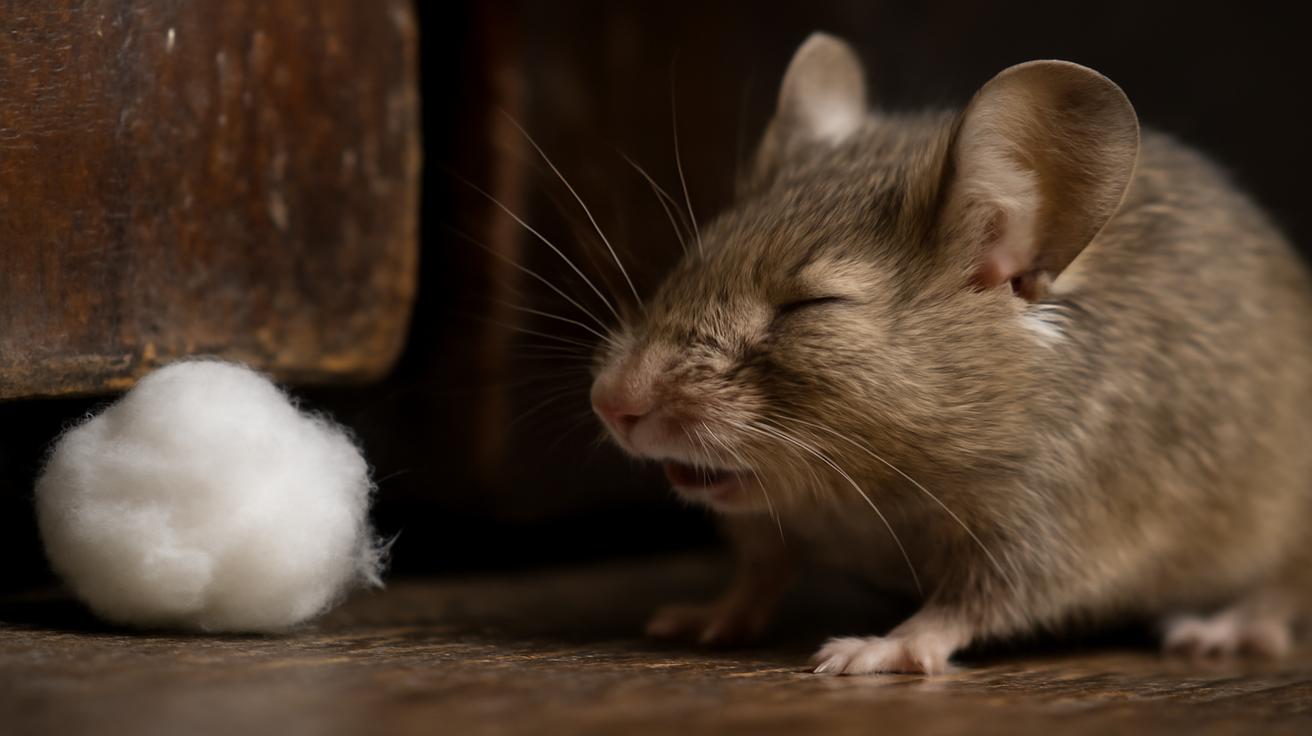
The discovery came unexpectedly—a small, dark pellet on the kitchen counter that immediately sent shivers down the spine. For countless homeowners across colder climates, this represents the harbinger of a much larger problem: a potential mouse infestation. While many reach for traps and poison, a growing number of pest management experts are pointing toward a surprisingly effective alternative: the strategic use of odors that rodents find absolutely repugnant.


The Silent Invasion Begins
As temperatures drop each autumn, mice and other rodents seek refuge from the cold by infiltrating human dwellings. Unlike dramatic movie moments, real rodent invasions rarely announce themselves. Instead, they begin with subtle signs—the telltale droppings, mysterious scratching sounds in walls, or that distinctive musky odor that suddenly pervades a corner of your home.
Pest control specialists report that the early warning signs often go unnoticed for weeks. A homeowner might discover one small dropping on a shelf, dismiss it as an anomaly, only to find evidence of a thriving colony weeks later. By that point, the mice have already established nesting areas, begun reproducing, and potentially caused damage to insulation, wiring, and stored food items.
The traditional response—setting traps or calling an exterminator—remains effective but increasingly, homeowners seek preventative measures that keep mice from entering their homes in the first place. This is where sensory deterrence enters the picture.
Understanding Rodent Sensory Preferences
Mice and rats rely heavily on their sense of smell to navigate their environment, locate food sources, and identify potential threats. Their olfactory systems are exponentially more sensitive than human noses, capable of detecting odors at concentrations we cannot perceive. This heightened sensitivity becomes a vulnerability when confronted with scents they find deeply aversive.
Research into rodent behavior has identified several odors that trigger avoidance responses in mice. Rather than simply masking unpleasant smells, these scents create genuine neurological discomfort for rodents, prompting them to retreat to more hospitable environments.
Peppermint: The Most Potent Olfactory Repellent
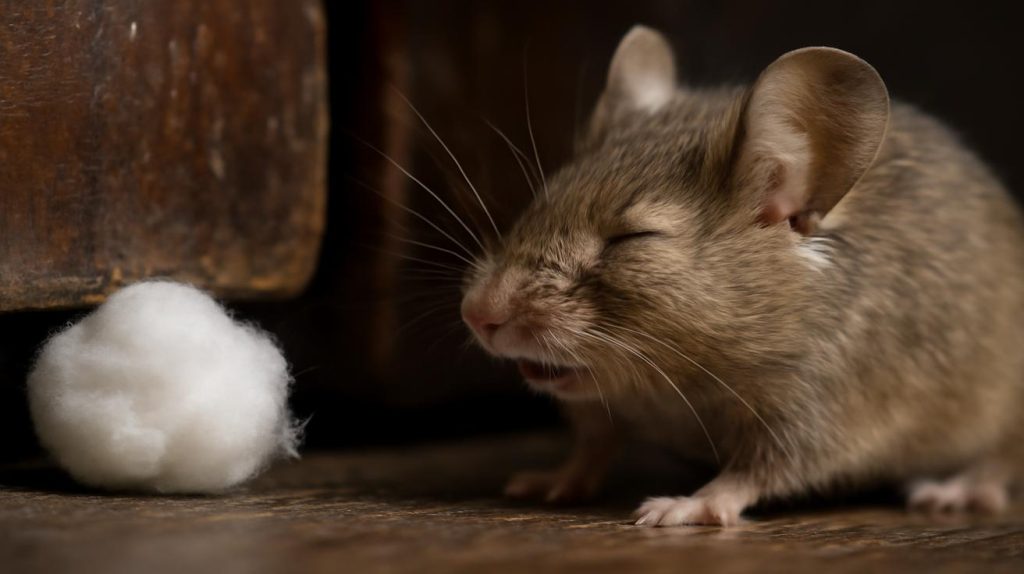
Among the arsenal of mouse-repelling scents, peppermint emerges as perhaps the most effective and most researched. The menthol compounds within peppermint create a burning sensation in the nasal passages and respiratory systems of rodents—an experience akin to what humans might experience from inhaling potent chili pepper fumes.
Homeowners have implemented peppermint deterrence through multiple methods. Soaking cotton balls in peppermint essential oil and strategically placing them around entry points, wall voids, and storage areas creates an olfactory barrier. The scent remains potent for several weeks before requiring replacement. Some prefer planting actual peppermint around their property’s foundation, as the living plant continuously releases its defensive compounds.
The beauty of peppermint lies in its dual benefit: it repels rodents while remaining pleasant to human inhabitants. Unlike chemical pesticides, exposure to peppermint scents poses no health risks to children or pets.
Capsaicin and the Heat Factor
Cayenne pepper and other hot peppers contain capsaicin, the compound responsible for their spicy sensation. When rodents encounter capsaicin-laden areas, they experience irritation to their mucous membranes and respiratory passages. This naturally leads them to avoid these zones entirely.
Some pest management professionals recommend creating capsaicin-infused barriers by mixing cayenne pepper with water and spraying the solution around foundation cracks, basement windows, and other entry points. The temporary nature of this approach—requiring reapplication after rain or every two weeks—makes it less convenient than other methods, but its effectiveness warrants consideration as part of a layered defense strategy.
Ammonia: Mimicking the Predator
Ammonia presents an interesting category of rodent deterrent. The sharp, acrid smell of ammonia triggers an instinctive fear response in mice because it mimics the odor of predator urine—particularly that of cats. In nature, encountering such scents signals danger, prompting immediate retreat.
Placing small containers of ammonia-soaked rags in areas where mice commonly travel exploits this primal response. The challenge with ammonia involves its unpleasant nature for human residents and the necessity for frequent replacement. Additionally, concentrated ammonia poses respiratory hazards, requiring careful handling and proper ventilation.

Clove and Bay Leaf: Aromatic Barriers
Whole cloves and bay leaves contain natural compounds that repel rodents. These kitchen staples work through a different mechanism than peppermint—rather than creating a burning sensation, their aroma disrupts the rodent’s ability to locate food sources and navigate efficiently.
Unlike peppermint oil, which requires fresh application, dried cloves and bay leaves release their protective compounds slowly over extended periods. Placing them in pantries, storage boxes, and cupboards provides months of protection while remaining food-safe and aromatic for human senses.
Creating a Multi-Layered Scent Defense
The most successful rodent prevention strategies employ multiple deterrent scents simultaneously. A comprehensive approach might include peppermint oil near entry points, capsaicin spray around the foundation, clove-filled sachets in storage areas, and ammonia-soaked rags in the basement or attic.
This layered approach addresses a critical reality: rodents can develop tolerance to individual scents over extended exposure. Rotating between deterrents or combining several simultaneously prevents habituation and maintains effectiveness throughout the season.
Environmental Modifications Support Scent Strategies
Scent deterrents work most effectively when combined with environmental modifications that reduce the home’s appeal to rodents. Sealing cracks and crevices in foundations and walls prevents entry regardless of smell-based deterrence. Removing food sources—storing dried goods in sealed containers, cleaning up crumbs promptly, securing garbage in rodent-proof bins—further discourages infestation.
Reducing clutter, particularly in basements and attics, eliminates nesting materials and potential shelter. These practical measures, combined with strategic scent deployment, create an environment where rodents find no incentive to establish residence.
Professional Assessment Remains Valuable
While natural scent deterrents offer promise, homeowners discovering evidence of existing infestations should consult professional pest control services. Odor-based deterrents excel at prevention, but established populations require more aggressive intervention. A qualified pest professional can assess infestation severity, identify entry points, and recommend appropriate treatment combining chemical or mechanical elimination with long-term prevention strategies.
Moving Forward With Prevention
The discovery of a single mouse dropping need not herald an impending invasion. With knowledge of rodent deterrent scents and commitment to preventative practices, homeowners can reject these unwanted visitors before they become problematic. Peppermint, capsaicin, ammonia, cloves, and bay leaves represent accessible, natural tools in the ongoing battle against seasonal rodent incursions.
As weather cools and rodents begin their annual search for shelter, the time to implement these aromatic defenses is now—not when the evidence of infestation becomes impossible to ignore.











Leave a Comment